
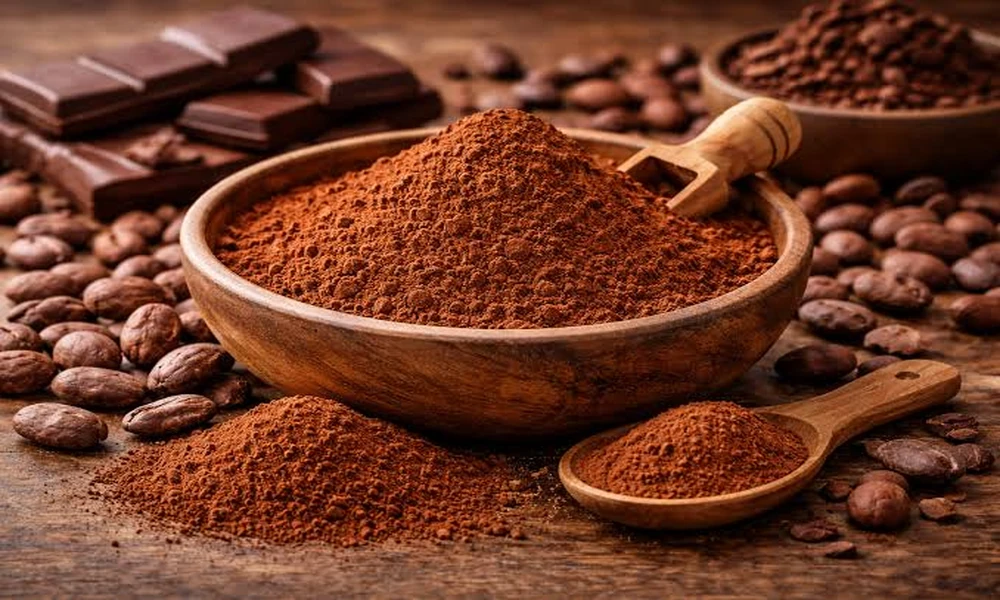
Shopping for ceremonial cacao online means making a food purchase without tasting it first. Attractive packaging and a thoughtful brand story can create interest, but they cannot answer every question about what arrives at your door. A more useful comparison looks at the ingredient list, available sourcing information, practical preparation needs, and total cost. These details help turn a long shortlist into a manageable choice.
Look for specific information
Start with what the company tells you about its cacao. Does the product page name a country, growing region, cooperative, or producer? Is the description specific to the item you are buying, or does it describe the entire company in broad terms? Clear sourcing information gives you something concrete to assess and useful questions to ask before ordering.
Treat claims about farmer relationships in the same way. A phrase such as ethical sourcing is more informative when the seller explains what it means in practice. Look for a description of purchasing arrangements or named certifications where relevant. Avoid filling in missing details yourself. A compelling photograph or personal story cannot establish how every product is sourced.
When a brand advertises laboratory testing, look for the actual report or ask how to obtain it. Check whether the document identifies the product, testing date, and batch. A general testing claim and a report that clearly matches a current product offer different levels of detail. You do not need to become a laboratory specialist to notice whether supporting information is available.
Compare the product and the price
Read the ingredient list before comparing prices. Plain cacao paste, flavoured cacao, and sweetened drink mixes are different purchases. Also check whether the package contains a block, discs, or smaller pieces. Consider how you will measure it, where you will store it, and whether preparation fits the equipment already in your kitchen.
A roundup of the best ceremonial cacao brands can help you discover candidates for your shortlist. Use reviews to identify questions, then confirm the details that matter on the seller’s current product page. Package sizes, shipping terms, and availability can change, so a review should be the beginning of your comparison rather than the final checkout checklist.
Compare equal weights and include delivery costs. For example, a hypothetical $30 package containing 250 grams costs $12 per 100 grams before shipping. A hypothetical $50 package containing 500 grams costs $10 per 100 grams. The larger package offers a lower unit price, but it is only a sensible purchase if you expect to use it and already enjoy the product.
Make the first order easy to evaluate
For an unfamiliar brand, a smaller order can be a useful first step. Prepare the cacao according to its instructions and note the amount of liquid you use. Taste it before adding other ingredients. That makes it easier to decide whether you like the cacao itself and whether the preparation feels convenient enough to repeat. Keep those notes for your next purchase; personal experience with a few cups is more useful than collecting an ever longer list of recommendations.

Comments are closed.