
Category

Cooking

Category

At a Glance

  • Proper storage and handling of shredded and grated cheese is essential to maintain melt quality, flavour consistency and food safety in commercial kitchens.
  • Stable cold storage and moisture control help prevent clumping, condensation and performance issues during cooking.
  • Hygienic handling and FIFO stock rotation support safe, consistent kitchen operations and reduce waste.

Shredded and grated cheese are essential ingredients in commercial kitchens. From pizzerias and quick-service restaurants to full-service restaurants, these cheese formats support speed and consistency during busy service periods.

However, these cheeses only perform as intended when storage and handling are done correctly. Improper practices can quickly affect melt quality, flavour consistency, product performance and food safety compliance. Issues such as clumping, moisture release or inconsistent melting are often linked to handling and storage practices rather than the product itself.

This article provides practical guidance on the proper storage and handling of shredded cheese and grated cheese in bulk, helping foodservice operators maintain quality throughout storage and service.

Maintain Consistent Cold Storage Temperatures

Temperature stability is the foundation of effective bulk cheese storage. Shredded and grated cheese should be stored under consistent refrigeration between 1°C and 5°C to preserve texture and melt performance.

Frequent temperature fluctuations can cause cheese to release moisture or develop surface condensation. This can happen when packs are repeatedly moved between cold storage and prep benches during service. It leads to clumping, uneven coverage during cooking and reduced melt consistency, particularly noticeable with mozzarella and cheddar used for surface melting.

Storage location within the refrigerator is as critical as temperature control. High-traffic fridge zones near doors are prone to temperature fluctuations due to frequent opening and closing. Storing bulk cheese in lower-traffic areas of the refrigerator, such as interior shelves rather than door racks, helps maintain consistent refrigeration and protects product performance throughout its storage life.

Control Moisture and Humidity Exposure

Moisture is one of the quickest ways shredded and grated cheese lose quality in a commercial kitchen. Excess humidity accelerates clumping, shortens shelf life and compromises how cheese melts under heat.

To minimise moisture exposure, cheese should remain sealed in its original packaging until it is needed. Once opened and used, packs should be resealed tightly with clips or tight folds, or kept in an airtight container to limit airflow. Leaving cheese partially covered or loosely wrapped allows ambient moisture to enter, which quickly affects texture, melt performance and shelf life.

Condensation is another key risk, especially when cheese is moved between cold storage and warmer prep areas, which can cause moisture to form on the shreds’ surface. Avoiding unnecessary temperature fluctuations by staging only the amount needed for immediate use reduces condensation, helping prevent premature spoilage and uneven melting during cooking.

Use Proper Handling Practices

How cheese is handled during service plays an important role in maintaining food safety and consistent product performance. Using clean, dry utensils or gloved hands helps reduce unnecessary contact with shredded and grated cheese, supporting better hygiene during busy service periods.

Direct hand contact increases the risk of contamination and can affect product quality. Likewise, returning unused portions to bulk packets or containers, particularly those left on benches or near the pass, introduces additional hygiene risks. Keeping freshly opened cheese separate from portions already exposed during service also helps maintain product quality.

Simple handling habits, such as keeping containers covered when not actively in use and positioning cheese away from wet prep zones, help minimise cross-contact and support cleaner, more reliable service workflows.

Rotate Stock Using First-In, First-Out (FIFO)

FIFO (First-In, First-Out) is a simple but essential bulk cheese handling method. Older stock should always be used before newer deliveries to maintain freshness and product performance.

Proper stock rotation preserves flavour, melt behaviour and food safety compliance, especially in high-volume kitchens where multiple cheese deliveries may overlap. Without FIFO, cheese can sit unused for too long, increasing the risk of quality decline even under correct refrigeration.

Clear labelling and date tracking make FIFO easy to follow. For example, label packs with the opened date and use-by date, and store older packs at the front so they are used first during service. These simple practices support consistent cheese handling across shifts and reduce the chance of avoidable waste or non-compliant use.

Effective storage and handling of shredded and grated cheese is straightforward but requires consistency. Stable refrigeration, moisture control, hygienic handling, and FIFO rotation all improve melt performance, reliability and kitchen efficiency without adding unnecessary complexity to daily operations.

Storage and handling systems are most effective when paired with cheese manufactured specifically for commercial kitchens. Partnering with a reputable cheese products supplier supports consistent cheese quality, predictable melt behaviour and reliable performance in high-volume foodservice environments.

Electric knife sharpeners are common tools in both home and professional kitchens because they make it easy and fast to keep knives’ cutting edges sharp and precise. Users can get the most out of these tools and keep their knives for longer if they know how they work. An in-depth look at how an electric knife sharpener works is provided here. The nirey ke-280 sharpener ensures precise, efficient blade sharpening, maintaining the quality and performance of your knives.

The Method of Sharpening:

The honing system in an electric blade sharpener by and large includes numerous stages, each with a particular capability:

Stage of Grinding:

The principal stage, frequently alluded to as the crushing stage, utilizes coarse grating wheels to reshape the blade edge. During this stage, a new, sharp edge is created by removing a significant amount of metal. During this stage, the guides hold the knife at the right angle, typically between 15 and 20 degrees, ensuring precision and consistency.

The hone stage:

The grinding stage’s edge is refined during the honing stage with finer abrasive wheels. This step makes the rough edge smoother, sharpens the blade, and gets it ready for the final polishing. Compared to the grinding stage, the honing stage focuses on perfecting the edge’s sharpness and removes less metal.

Using an Electric Knife Sharpener Has Several Benefits:

There are several advantages to using electric knife sharpeners over manual methods:

Efficiency: Electric sharpeners are more efficient and typically restore a sharp edge in a matter of minutes.

Consistency: Better outcomes result from the knife’s consistent angle of sharpening thanks to the integrated guides.

Efficacy of Use: It can be done by anyone, from home cooks to professional cooks, because it requires little skill.

Versatility: A lot of electric sharpeners are able to sharpen both straight-edged and serrated blade knives.

Tips for Safety and Maintenance:

Follow these safety and maintenance guidelines to ensure the performance and longevity of an electric knife sharpener:

Standard Cleaning: To keep the sharpener running smoothly and prevent clogging, regularly remove metal shavings and other debris.

Follow the Instructions Given by the Maker: Comply with the rules gave in the client manual to ideal use and support.

Security Measures: When not in use, unplug the sharpener and handle knives with care to prevent accidents.

The nirey ke-280 offers reliable and consistent sharpening, essential for keeping your knives in peak condition for longer.

Grilling could be a learning process. There’s two primary types of grilling methods – cooking over direct heat along with over indirect heat. When getting began, it’s easier to prepare over direct heat, but the process is also different based on what type of grill you’ve.

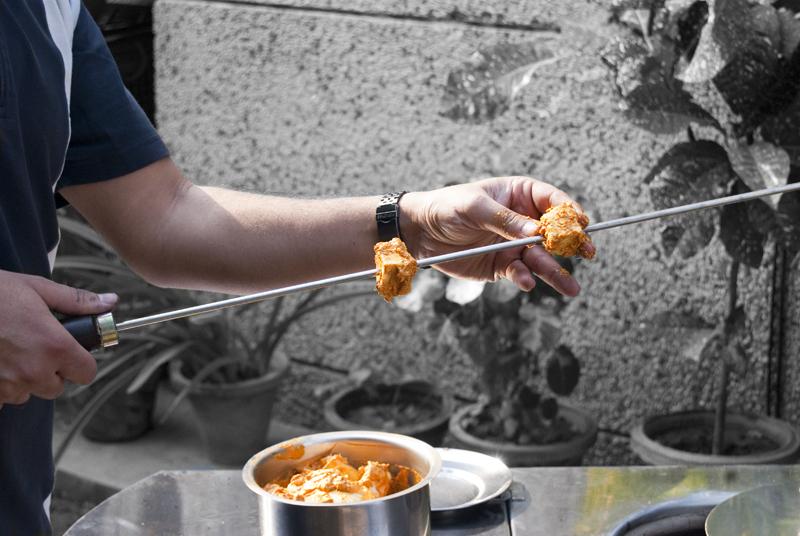
Tandoori Cooking

It’s simply placing the foodstuff across the grate and cooking directly inside the flame. Right here are a handful of expert approaches for grilling in direct heat.

Produce a consistent heat whenever using a charcoal grill

You’d require a consistently hot as well as heat through your grates whole time you are cooking. To accomplish this, the bottom line is always to set up the completely new coals in a even layer within the finish in the grill. That way, the foodstuff will prepare evenly wherever worn the grill.

Use thin cuts of meat

With direct heat grilling, food features a inclination to arrange more rapidly. For this reason you should prepare thin cuts of meat and small products of vegetables if this way. The temperature usually reaches 450-650F, then when you prepare thicker cuts of meat that way, it might typically lead to burning the outdoors while using the inside not fully cooked.

Turn just once

To perfectly grill thin cuts of meat when using the direct heat method, just address it sauteing meat round the pan inside your kitchen. Turn once and monitor your grill to prevent burning a side.

Use high or medium heat only on lp lp propane gas grills

If you are having a lp lp propane gas grill, ensure to demonstrate on all of the burners to attain a uniform temperature underneath the whole cooking surface. The burners must be set not under medium heat (for skinny cuts of meat).

These tips will help you preserve the nutrients of food while cooking | The Times of India

Warm may be used cuts 3/4-1 ” thick. You should place the hood lower while cooking to make sure even doneness. Think about the meals every so often to avoid burning or greater cooking.

Keep the food moist through the grill

While using the direct heat grilling method, weather conditions are high that could dry up the foodstuff rapidly. Spray meat with water and steer apparent utilizing a fork to demonstrate your meat – this might pierce towards the flesh and let juices to depart. Use tongs or maybe a spatula to demonstrate your meat that helps keeping it moist throughout cooking.

Follow these 5 expert approaches for grilling in direct heat!

Just about any BBQ book you decide on up will highlight “Sear the meat first”.

Well, they are dead wrong.

Without a doubt that should you sear first, you may as well be cooking boot leather, for people its worth.

The “experts” will highlight that searing seals the meat’s pores, trapping the moisture and making the meat juicy and tender.

Cooking Burn Home Remedy: Burned yourself cooking? Here's what you need to do

Bullpucky!

There’s under 7% one of the meat seared before its cooked along with the meat seared after its cooked as you want it. A good deal for “juicy”. Sear before, you just burn the meat. A good deal for “tender”.

The action of Searing the meat is to create a dark, flavorful bark across the outdoors within the meat. It’s presence enhances the flavor within the meat, and done correctly, eating it’s a wonderful experience. Nonetheless the meat’s surface must attain the Maillard temperature to function. That’s around 300°F. You are attempting to get that round the bare bit of meat, you are requesting trouble!

Allow me to educate you.

Searing before cooking makes all the meat underneath the seared surface, contributing to ¼” in, dry and burned tasting. Searing carrying out a meat’s been cooked, can be a thin film of a good, flavorful bark across the outdoors without harming the already cooked meat. Very tasty and tender, indeed!

What in the event you create this Culinary Perfection?

First, you might need a bit of beef that’s no under 1″ thick. Contain the butcher cut a ribeye steak a couple of” thick and you are on your way to Paradise!

Using this method of be fool-proof, to operate easily, with no uncertainty, you might need a remote studying, instant read thermometer. The meat’s internal weather conditions are critical!

Finally, you might need a heavy-duty cooking surface, like a well-seasoned guaranteed skillet.

No TV Weekend: Cooking up a storm | Hindustan Times

The Process unmasked:

Preheat your oven to 250°F.

Put the steak within the foil-lined baking pan.

Insert the thermometer deep into the middle of the meat.

Cover the steak with some foil.

Put the baking pan within the oven and bake before the meat thermometer registers 200°F (medium-rare).

Eliminate the meat at let rest before going to sear the Bejeebers out of this!

Preheat that heavy-duty cooking surface having a screamingly warm (over 500°F).

Gently brush the steak around the sides with Avocado or Grapeseed oil ( these have high smoke temperatures, so that they will not burn in this particular next factor).

Sear that steak around the sides. Get forced out sit about 3 minutes silently until a enjoyable bark forms, then oil and switch the steak over.

Enable the seared steak rest for five-10 mins under foil.