
Category

Food

Category

Choosing between rosé and white Champagne is not just a question of colour. Both offer the elegance, fine bubbles and complexity associated with this celebrated French sparkling wine, yet their flavours can differ considerably. Some bottles reveal fresh citrus notes and a crisp finish, while others offer ripe red fruit, a fuller texture and a more expressive character.

Whether you are planning a special dinner, looking for an aperitif or choosing a bottle for a celebration, understanding these differences will help you make the right choice. The key is to consider your personal preferences, the occasion and the food you intend to serve.

1. White Champagne: Freshness, Elegance and Finesse

White Champagne remains a classic choice for those who appreciate freshness, precision and balance. Made from permitted Champagne grape varieties, it can offer a wide range of aromas, depending on the blend, the winemaking process and the ageing period.

Chardonnay often brings citrus, white flowers and mineral notes, while Pinot Noir can contribute structure and depth. Meunier, another traditional Champagne grape, may add fruitiness and roundness. The final character depends on how the winemaker combines these varieties.

For anyone wishing to compare different styles, it is worth taking the time to explore some of the best Champagnes on this website. Comparing grape varieties, producers and vintages can reveal just how varied white Champagne can be.

What does white Champagne taste like?

Most white Champagnes are appreciated for their freshness, although their profiles vary considerably. A young Brut may display lemon, green apple and pear, while a more mature bottle can develop notes of brioche, toasted nuts and honey.

White Champagne is particularly appealing if you enjoy:

  • Crisp citrus flavours and fresh fruit.
  • Fine bubbles and a refreshing finish.
  • A versatile sparkling wine for different meals.
  • Elegant aromas that complement delicate ingredients.

Its versatility makes it an excellent choice for an aperitif. It also pairs beautifully with oysters, seafood, sushi and grilled fish. A richer Blanc de Noirs, made exclusively from black grapes, can stand up to more substantial dishes.

2. Rosé Champagne: Red Fruit and a More Expressive Style

Rosé Champagne offers a different tasting experience. Its pink colour comes from the winemaking process, usually through the addition of a small proportion of still red wine or through brief contact with the skins of black grapes.

These methods influence the wine’s colour, aromas and structure. The result can range from a pale, delicate rosé to a deeper, fruit-driven Champagne with greater intensity.

What flavours can you expect?

Rosé Champagne often reveals aromas of strawberry, raspberry, cherry and redcurrant.Depending on the blend and ageing, floral notes, citrus zest and subtle spice may also emerge.

Some examples are light and refreshing, while others have a fuller texture and a more pronounced fruit character. It is therefore worth looking beyond colour when selecting a bottle. A rosé Champagne is not necessarily sweeter than a white one. Both can be Brut, Extra Brut or produced in other sweetness styles.

Rosé Champagne works particularly well for romantic dinners, festive occasions and meals featuring richer flavours. It can accompany duck, salmon, tuna, roasted poultry and certain fruit-based desserts.

3. Rosé vs White Champagne: Which Is Better for You?

Neither style is inherently better than the other. The right choice depends on the flavours you enjoy and the experience you want from your wine.

White Champagne is generally a natural starting point if you favour citrus, apple, mineral freshness and a clean finish. Rosé Champagne may appeal more if you prefer red fruit aromas, a more pronounced fruit character and a wine that stands out visually at the table.

The sweetness level also deserves attention. A Brut Champagne can taste relatively dry, while a Demi-Sec offers a noticeably sweeter profile. This distinction matters more to perceived sweetness than colour alone.

Here is a simple guide to help you decide:

Your preference Best style to consider
Citrus and green apple White Champagne
Strawberry and raspberry Rosé Champagne
Oysters and delicate seafood White Champagne
Duck, salmon or richer dishes Rosé Champagne
A versatile aperitif Either style
A fruit-focused celebration Rosé Champagne

These are useful starting points rather than strict rules. The grape blend, dosage and ageing can influence a bottle’s character as much as its colour.

4. How to Serve Champagne for the Best Experience

Serving temperature can make a noticeable difference to the way Champagne tastes. If the wine is too warm, its alcohol and richness may become more apparent. If it is excessively cold, its aromas can be difficult to appreciate.

Aim for approximately 8 to 10°C for most non-vintage Champagnes. More complex, mature bottles may benefit from being served slightly warmer.

Choose a tulip-shaped glass when possible. Its shape allows the aromas to develop while preserving the wine’s effervescence. A traditional flute can also work well, particularly for a reception or a celebratory toast.

Food pairing is another way to appreciate the differences between the two styles. White Champagne often complements delicate seafood and light starters, whereas rosé can bring out the flavours of grilled meat, salmon and dishes featuring red berries.

Ultimately, there is no need to reserve either style for a particular occasion. A well-chosen white Champagne can be just as impressive at a dinner party as a rosé served for a celebration.

5. Frequently Asked Questions About Rosé and White Champagne

Is rosé Champagne sweeter than white Champagne?

No. Colour does not determine sweetness. Both rosé and white Champagne can be Brut, Extra Brut or Demi-Sec. Check the label to understand the wine’s sweetness level.

Which is better for an aperitif, rosé or white Champagne?

Both are suitable. White Champagne is a classic option for a fresh, light aperitif, while rosé offers red fruit aromas and a more distinctive profile. Your choice depends on personal taste and the food served alongside it.

Does rosé Champagne pair well with food?

Yes. Rosé Champagne can complement salmon, tuna, duck, roasted poultry and some fruit-based desserts. The best pairing depends on the wine’s acidity, body and sweetness.

Can you drink rosé Champagne throughout a meal?

Absolutely. A structured rosé can accompany several courses, particularly when the menu includes seafood, poultry or dishes with moderate richness. Choose a bottle with enough body to match the food.

How should you choose a good Champagne?

Consider the producer, grape varieties, sweetness level and ageing style. Reading the label and comparing tasting notes can help you find a bottle that suits your preferences and budget.

The Best Champagne Is the One You Enjoy

Rosé and white Champagne each have their own appeal. White Champagne often delivers citrus freshness, elegance and versatility, while rosé brings red fruit aromas and a more expressive character.

Rather than choosing based on colour alone, consider the flavours you enjoy, the meal you are planning and the style of wine you want to serve. The best Champagne is ultimately the one that matches your taste and makes the occasion memorable.
A colorant that looks perfect in a ten-gram sample can behave very differently in a twenty-kilo drum. Most problems surface after the purchase order, not before it. Speaking with a natural food color manufacturer while holding the right questions saves weeks of rework, so here are five worth keeping close before any contract gets signed.

Where does the raw material come from?

Plant pigments shift with soil, rainfall and harvest timing. Beetroot grown in a wet season can give a weaker red than the same variety in a dry one. Ask which regions supply the crop, whether the growers stay the same from year to year, and what the plan is when a harvest falls short.

Traceability counts just as much. A producer who can name the farm cluster behind a lot usually keeps tighter control over quality. Vague answers such as “sourced globally” often mean the supply changes whenever prices do, and that kind of switching tends to show up later as shade drift in your finished product. It is far easier to prevent than to diagnose after a complaint arrives.

What should the specification sheet say?

A useful sheet lists color value, pH range, solubility, moisture and microbial limits, not only a shade name. If you plan to buy natural food coloring wholesale, compare those numbers across suppliers instead of trusting swatches alone. Two products that look identical on paper can behave quite differently once they meet your formula.

Tolerances deserve attention as well. A narrow window on color strength is workable for most recipes. A loose one forces your team to adjust the dosage on every batch, which quietly eats production time and makes it harder to train operators to hit the same shade on every shift.

How consistent is one batch from the next?

Request certificates of analysis from three recent lots and set them side by side. You are looking for drift. Small movements are normal with plant material, but a steady slide in strength or a sudden jump in pH hints at weak process control somewhere between the field and the drum. Keep the records, because patterns only appear over time.

It also helps to ask how blending is handled. Some producers standardize each lot against a reference sample before shipping, so the strength you receive stays close to the strength you approved. That extra step costs them little and removes a real headache from your production floor and your quality lab.

Which documents will your auditors want?

Food safety audits run on paperwork. Expect to request allergen statements, non-GMO or organic papers where relevant, kosher and halal letters, and a current third-party food safety certificate. Check the expiry dates carefully, since a lapsed certificate can hold up a shipment or an audit at the worst possible moment.

Regulatory status deserves its own line. The colorant must be permitted in every market where your product will be sold, and the approved label name can differ from one region to another. A supplier who discusses regional rules without hesitation has probably handled export orders before and knows where the traps are.

How are samples, trials and lead times handled?

Test the sample in your real product, under your real process. Heat, acid, light and shelf life all change the outcome, and a bench result in plain water proves very little. Run at least one pilot batch before committing to volume, and keep a retained sample from every lot you receive.

Lead time is the final piece. Ask how long a standard order takes, what happens when demand spikes, and whether safety stock is held near your plant. Dependable delivery is part of quality, even though it never appears on a spec sheet, and a late drum stops a line as surely as a bad one does. Ask for references from buyers with similar volumes.

Making the Final Call

No single answer settles the decision. Together, though, these questions show whether a supplier acts as a partner or simply as a seller. The better ones reply quickly, share data openly, welcome your trials, and stay comfortable being compared against other options on the same set of criteria. Treat that openness as a quality signal in itself.

To compare a producer against your own checklist, the technical team at foodrgb.com can walk you through specifications, documentation and sample options for your product, from the first small trial through to repeat orders at production scale, so nothing is left to guesswork.

Navratri is a time for fasting, prayers, and festive food. Sweets are often made for prasad as well. So, they don’t always have to be complicated.

If you want to prepare something different each day, you can make several simple Navratri sweet recipes with familiar ingredients. Here are nine ideas, from rajgira ladoos and makhana kheer to halwa, barfi, and peda.

9 Navratri Sweets for 9 Days

Day 1: Rajgira Ladoo

Rajgira ladoos need only a few ingredients and take little time to prepare.

  • Melt the jaggery in a pan.
  • Add the popped rajgira and mix while it is still warm.
  • Let it cool for a few minutes.
  • Take small portions and shape them into ladoos.
  • Add a little ghee if the mixture feels difficult to shape.

Tip: Keep the ladoos small, so they are easy to serve as prasad.

Day 2: Makhana Kheer

Makhana kheer is a good choice if you want something creamy rather than a dry sweet.

  • Roast the makhana until lightly crisp and let it cool.
  • Crush some of the makhana and keep some pieces whole.
  • Add it to the milk and cook until it thickens.
  • Stir in sugar and cardamom.
  • Finish with chopped nuts before serving.

Tip: Set aside some roasted makhana and add it just before serving for extra texture.

Day 3: Coconut Ladoo

Coconut ladoos are handy for days when you want a sweet you can prepare quickly.

  • Cook grated coconut with your chosen sweetener.
  • Keep stirring until the mixture thickens and starts leaving the pan.
  • Let it cool enough to handle.
  • Roll the mixture into small balls.
  • Top with saffron or chopped pistachios.

Tip: Roll the ladoos in a little desiccated coconut for a simple finish.

Day 4: Dry Fruit Barfi

Dates and figs give this barfi its natural sweetness, while the nuts add texture.

  • Grind the dates, figs, almonds, cashews, and walnuts.
  • Cook the mixture briefly if it needs more softness or binding.
  • Add a little ghee if the mixture feels too dry.
  • Press it into a greased or lined tray.
  • Let it set before cutting it into small pieces.

Tip: Chill the set barfi briefly before cutting to get neater pieces.

Day 5: Singhara Halwa

Singhara halwa is made with water chestnut flour and works well as a warm Navratri sweet.

  • Roast the singhara flour in ghee.
  • Slowly add water or milk, stirring constantly.
  • Cook until the mixture thickens.
  • Add sugar and cook for a few more minutes.
  • Top with chopped nuts and serve warm.

Tip: Serve the halwa soon after cooking while it is still soft and warm.

Day 6: Sabudana Kheer

Sabudana kheer is another creamy fasting option.

  • Soak the sabudana until the pearls become soft.
  • Drain it and cook with milk over low to medium heat.
  • Stir occasionally so the milk does not stick to the pan.
  • Add sugar, cardamom, and saffron.
  • Add chopped nuts once the sabudana is soft.

Tip: Use a heavy-bottomed pan to reduce the chances of the milk sticking while it cooks.

Day 7: Samak Rice Payasam

Samak rice, also called barnyard millet, can replace regular rice in this payasam.

  • Rinse the samak rice and add it to the milk.
  • Cook slowly until the grains become soft.
  • Add sugar or jaggery and cook for a few more minutes.
  • Add cardamom for flavor.
  • Finish with raisins and chopped nuts.

Tip: Serve the payasam warm for a thinner consistency or chilled for a thicker one.

Day 8: Peanut Chikki

Peanut chikki has a crisp texture and needs to be handled quickly once the jaggery syrup is ready.

  • Roast the peanuts and remove their skins.
  • Prepare the jaggery syrup and cook it to the required consistency.
  • Mix in the peanuts.
  • Spread the mixture immediately on a greased surface.
  • Flatten it and cut it into pieces while it is still hot.

Tip: Lightly grease the rolling surface beforehand so the hot chikki doesn’t stick.

Day 9: Kesari Peda

Kesari peda is a simple sweet for the final day of Navratri.

  • Cook the khoya, sugar, and saffron together.
  • Keep cooking until the mixture becomes thick enough to shape.
  • Let it cool slightly.
  • Divide it into small portions and roll them between your palms.
  • Gently press each portion into a peda shape.
  • Finish with saffron or chopped pistachios.

Tip: Press a small indentation into each peda and add a saffron strand for a neat finish.

Conclusion

These Navratri sweets for 9-days let you try different treats without making the same thing every day. From rajgira ladoos and coconut ladoos to kheer, chikki, and peda, you can choose recipes based on your time and what your family enjoys.

Keep the portions small if you are preparing them for prasad, and make any changes needed to suit your family’s fasting practices.

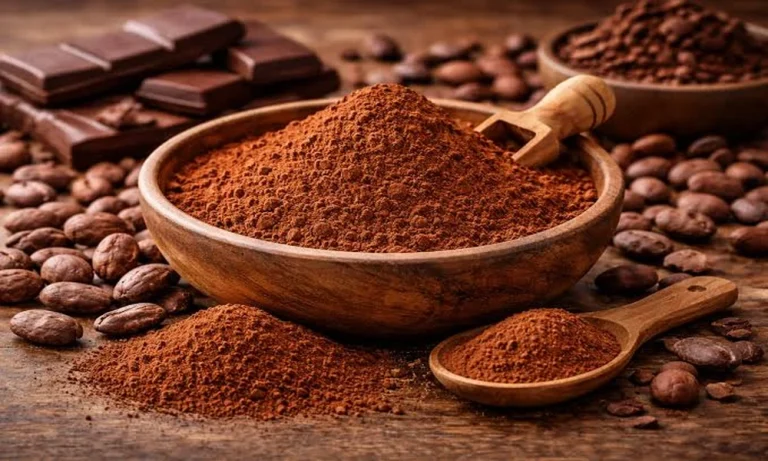
Shopping for ceremonial cacao online means making a food purchase without tasting it first. Attractive packaging and a thoughtful brand story can create interest, but they cannot answer every question about what arrives at your door. A more useful comparison looks at the ingredient list, available sourcing information, practical preparation needs, and total cost. These details help turn a long shortlist into a manageable choice.

Look for specific information

Start with what the company tells you about its cacao. Does the product page name a country, growing region, cooperative, or producer? Is the description specific to the item you are buying, or does it describe the entire company in broad terms? Clear sourcing information gives you something concrete to assess and useful questions to ask before ordering.

Treat claims about farmer relationships in the same way. A phrase such as ethical sourcing is more informative when the seller explains what it means in practice. Look for a description of purchasing arrangements or named certifications where relevant. Avoid filling in missing details yourself. A compelling photograph or personal story cannot establish how every product is sourced.

When a brand advertises laboratory testing, look for the actual report or ask how to obtain it. Check whether the document identifies the product, testing date, and batch. A general testing claim and a report that clearly matches a current product offer different levels of detail. You do not need to become a laboratory specialist to notice whether supporting information is available.

Compare the product and the price

Read the ingredient list before comparing prices. Plain cacao paste, flavoured cacao, and sweetened drink mixes are different purchases. Also check whether the package contains a block, discs, or smaller pieces. Consider how you will measure it, where you will store it, and whether preparation fits the equipment already in your kitchen.

A roundup of the best ceremonial cacao brands can help you discover candidates for your shortlist. Use reviews to identify questions, then confirm the details that matter on the seller’s current product page. Package sizes, shipping terms, and availability can change, so a review should be the beginning of your comparison rather than the final checkout checklist.

Compare equal weights and include delivery costs. For example, a hypothetical $30 package containing 250 grams costs $12 per 100 grams before shipping. A hypothetical $50 package containing 500 grams costs $10 per 100 grams. The larger package offers a lower unit price, but it is only a sensible purchase if you expect to use it and already enjoy the product.

Make the first order easy to evaluate

For an unfamiliar brand, a smaller order can be a useful first step. Prepare the cacao according to its instructions and note the amount of liquid you use. Taste it before adding other ingredients. That makes it easier to decide whether you like the cacao itself and whether the preparation feels convenient enough to repeat. Keep those notes for your next purchase; personal experience with a few cups is more useful than collecting an ever longer list of recommendations.

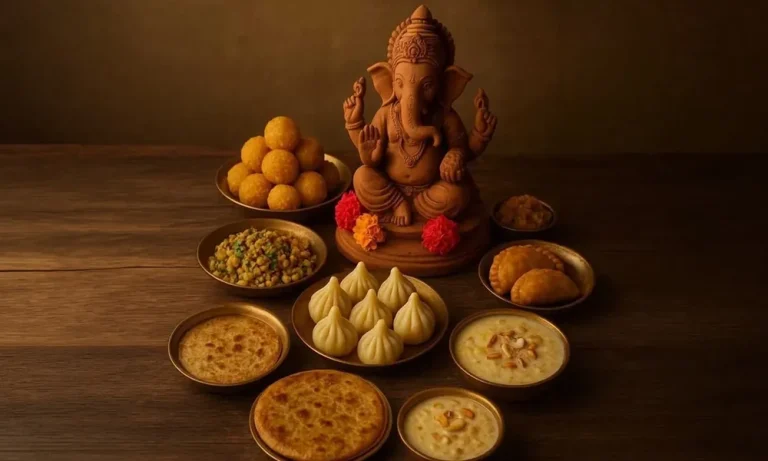
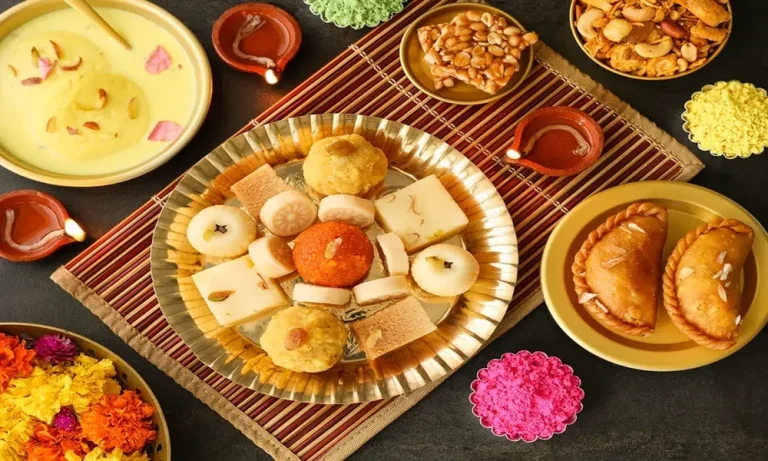
A box of modaks may be the first choice, but Ganesh Chaturthi is a good excuse to look beyond the usual favourites. The festive season opens the doors to so many new flavours, such as Anjeer Roll, Strawberry Kaju Katli, Soan Papdi or a crisp namkeen, which can bring an entirely different note to the same festive table. A Ganesh Chaturthi sale makes that little experiment easier, especially when there are assorted boxes and festive combinations to choose from. The question is what deserves a place in your box this year. We will look at exactly that.

Why Should Modaks Be The First Sweet You Explore During Ganesh Chaturthi?

Modak has a special place in Ganesh Chaturthi, making it an obvious starting point for anyone exploring festive mithai. Its many forms also make the experience far more interesting than choosing a single traditional recipe.

  • Steamed Modak uses a soft rice-flour covering with a coconut and jaggery filling, giving it a delicate texture and classic festive character.
  • Rose Modak brings a floral note to the traditional festive sweet, giving the classic preparation a delicate fragrance and a distinct flavour.
  • Mango Modak adds the bright, fruity taste of mango to the familiar Modak form, making it a refreshing variation for festive celebrations.
  • Rava Modak uses semolina instead of the more traditional outer covering, creating a different texture while keeping the Modak at the centre of the offering.
  • White Coconut Laddus move slightly away from the Modak itself, pairing coconut with a soft, delicate texture that adds another sweet option to the Ganesh Chaturthi spread.

Trying more than one variation can be particularly rewarding during a sale, since you get to compare textures, fillings and flavours rather than choosing only the version you already know. Modak remains one of the most traditional and recognisable sweets associated with Ganesh Chaturthi, making it a natural choice for exploring different festive mithai variations.

What Should You Try If You Always Buy The Same Indian Sweets?

Start with a sweet that changes one part of what you already enjoy, such as trying a fruit-flavoured Kaju Katli instead of the classic version. You can then move towards different textures and ingredients, adding something like Anjeer Roll or Soan Papdi before bringing savoury snacks into the mix.

Swap Classic Kaju Katli for a New Variation

Kaju Katli is easy to replace because newer versions keep the cashew base but introduce a different flavour. Strawberry Kaju Katli, mentioned in certain festive collections, brings a fruity note to a sweet usually associated with a smooth, nut-rich taste.

Try Anjeer Roll for a Different Texture

Anjeer Roll takes the sweet box in another direction with figs and dry fruits. It is a useful choice when you want something less similar to the dense, milk-based mithai that often dominates festive assortments, adding a distinctly fruity note to the selection.

Put Soan Papdi on the List

Soan Papdi breaks the pattern completely with its flaky, delicate texture. It is known as a festive favourite enjoyed across generations, making it an easy way to introduce variety without choosing something too unfamiliar.

Add Something Savoury

A box does not have to end with sweets. Bhelpuri, Bikaneri Bhujia and Khatta Meetha Mixture bring spice, tang and crunch into the spread, creating a much broader tasting experience and giving everyone something different to reach for between sweeter bites.

Is A Festive Sale Actually Better Than Buying Mithai At Any Other Time?

A festive sale can make trying something unfamiliar feel far less risky than buying it on an ordinary day. The real advantage is not just the reduced price, but the wider choice, festive assortments and a natural occasion for sharing.

  • Assorted boxes make experimenting easier. You can combine a favourite such as Kaju Katli with a new mithai instead of buying a full box of something unknown.
  • Festive ranges often bring more variety. Seasonal collections may include different flavours, dry-fruit sweets and newer versions of traditional recipes.
  • A sale can stretch the same budget further. That leaves you space to add another sweet or a savoury item rather than spending everything on one familiar choice.
  • There is an occasion for everything you buy. Ganesh Chaturthi gatherings, gifting and family visits give unique sweets an immediate place on the table.
  • The mix can be more interesting. Pairing mithai with Bhelpuri, Bhujia or Khatta Meetha Mixture brings spice and crunch alongside the sweetness.

Final Thoughts

A Ganesh Chaturthi sale is hardly just a chance to stock up on the same box again. It can be the moment to pick one safe favourite, add two sweets you cannot quite pronounce with confidence and see which one disappears first. Perhaps it will be the Anjeer Roll. Perhaps everyone will return to Kaju Katli anyway. This is what makes everything so much more fun. Ganesh Chaturthi brings the people, the sharing creates the occasion, and a festive sale gives you room to experiment. Sometimes, the next household favourite is simply the sweet you decided to try once.

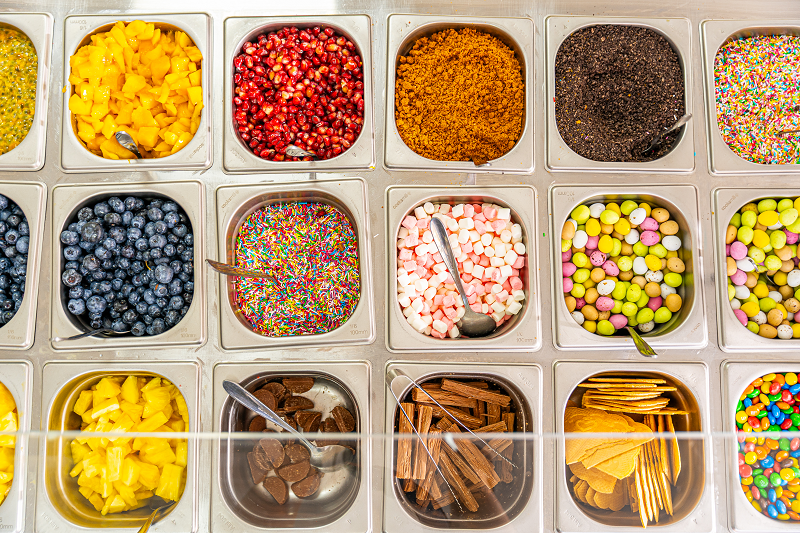
Something is appealing about a favourite café giving you a new reason to return. At KefiYo in Headingley, that reason can be as simple as finding out which vegan flavour is on the counter this week. The Mediterranean-inspired café has introduced a rotating vegan offering, adding another way to enjoy its colourful, customisable bowls.

For people seeking vegan frozen yoghurt in Leeds, the weekly change brings variety to a familiar treat. It also makes one question a useful starting point for every visit: what is available today?

A Different Vegan Flavour Each Week

KefiYo’s launch announcement describes a different vegan flavour rotating each week. Rather than promising the same option on every visit, the approach gives customers a chance to explore the range over time.

That suits anyone who enjoys discovering something new without changing their usual meeting place. A catch-up with a friend can come with a different bowl, while a return visit becomes an opportunity to see what has changed.

The announcement does not provide a dated vegan flavour calendar. Check with the café or look for an official update before travelling for a particular choice. A photograph from a previous week may show a flavour that has already rotated out, so current availability matters more than an older post.

Understanding the Wider Flavour Selection

The broader menu at Kefiyo features seven favourites in its launch material: mango, coconut, matcha, natural, passion fruit, strawberry and mixed berry. These sit alongside the announcement of the rotating vegan option.

The distinction matters when ordering. The seven-flavour list is not presented as an entirely vegan menu, and a fruit flavour name alone does not establish which ingredients a recipe contains. Ask the team to identify the current vegan base before choosing your bowl.

For groups with different preferences, having both the wider range and a vegan offering creates more ways to enjoy the same visit. Each person can choose according to their taste while sharing the experience of putting a bowl together.

Choose Toppings That Suit Your Bowl

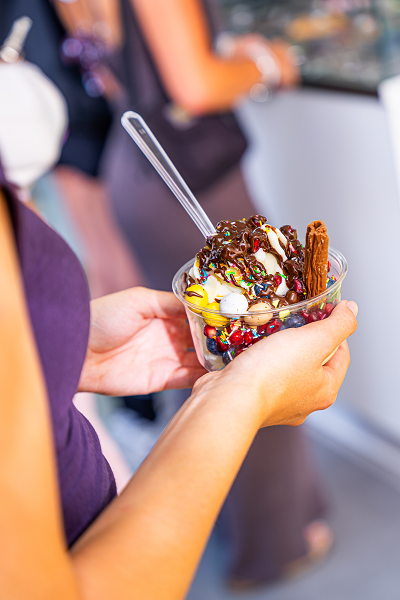
KefiYo includes unlimited standard toppings with its bowls. Superfoods and selected premium toppings cost extra, so it is worth checking the distinction before making your selection.

If you want a vegan bowl, ask which of the available toppings are suitable, as well as confirming the base. The included selection and the vegan selection are separate questions; an addition can be a standard topping without necessarily meeting a vegan preference.

Once those choices are clear, keep the combination as simple or varied as you like. You might let the base take the lead or choose contrasting textures from the suitable options available. There is no need to add everything just because standard toppings are unlimited. A few considered choices can make it easier to enjoy the flavour you came to try.

A Quick Word on Ingredients

Vegan choices and allergy requirements are not interchangeable. Government guidance on vegan food labelling explains that a vegan label does not guarantee a product is free from allergens, because cross-contact can occur during preparation.

If you have an allergy, tell the team before ordering and ask about the base, toppings and preparation arrangements. That conversation is different from simply asking which flavour is vegan. It helps you make a decision using the information relevant to your needs.

More to Enjoy at This Leeds Cafe

The café’s Ash Road location puts it in Headingley, close to the neighbourhood’s university and sporting landmarks. Its Mediterranean-inspired design provides the setting for a brand whose name draws on the Greek word “kefi”, associated with joy, passion and zest for life.

Beyond froyo, the wider menu includes açaí bowls, smoothies, speciality coffees and matcha. Check individual ingredients when choosing a vegan drink or another menu item. The team has also brought people together through local Pilates pop-ups and run clubs, extending its community activities beyond the café counter.

Leeds Living’s September launch feature highlighted the business and its vegan rotation. KefiYo’s own launch material also mentions autumn flavours in development, although it does not confirm the seasonal line-up or which future additions will be vegan.

For now, the weekly rotation offers a straightforward reason to stay curious. Check the latest flavour, choose suitable toppings and make your next Headingley visit a chance to try something different. Visit KefiYo to discover the current vegan option and build a bowl around it.

Visit KefiYo at 17 Ash Rd, Headingley, Leeds LS6 3JJ.

Discover more at kefiyo.com.

Follow KefiYo on Instagram @kefi.yo and TikTok @kefiyo.leeds.

The restaurant floor moves fast. Kitchens face daily challenges with changing ingredient availability, fluctuating supply prices, and shifting guest expectations. Paper menus struggle to keep pace with these realities. A printed error costs money and time to correct. Modern hospitality requires a more flexible tool.

A premium digital menu for restaurants solves these challenges by transforming static lists into dynamic assets. It bridges the gap between kitchen capabilities and the guest experience.

The True Cost of Paper Menus

Traditional printing slows down operations. When an ingredient runs out mid-shift, servers must manually explain the shortage to every table. This process increases table turn times and adds friction to the dining experience.

Recent hospitality analysis highlights that detailed digital descriptions improve customer confidence by 68%. Relying on paper means missing out on this clarity. A digital system ensures that what guests see on their screens always reflects what the kitchen can actually serve.

Seamless Updates and Zero Reprinting Costs

Menu flexibility drives profitability. Chefs can introduce daily specials, adjust prices to match market costs, or hide out-of-stock items instantly. This agility removes the overhead costs of redesigning, printing, and shipping physical menus.

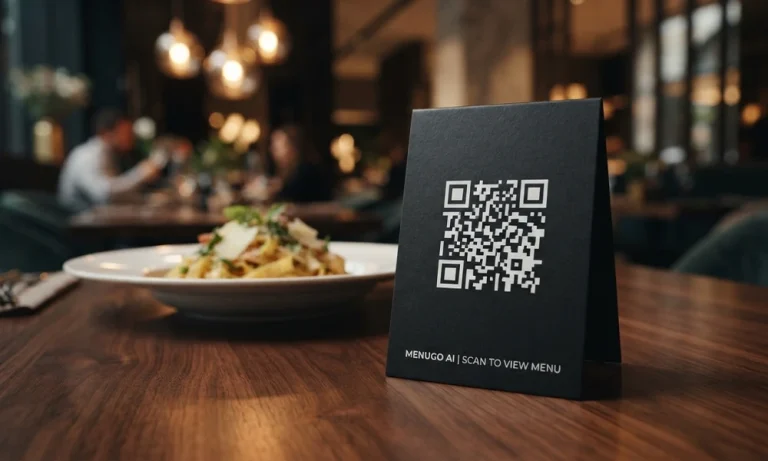
By utilizing a flexible QR menu for restaurants, management can update options in real time through an easy-to-use editor. A single table QR code remains identical, even when the underlying food items or prices change completely.

Overcoming the Language Barrier Globally

Hospitality is a global business, but communication barriers often limit dish discovery. Traditional translation workflows require hiring translators, maintaining separate files, and managing duplicate data entry.

Premium platforms integrate automatic, accurate multilingual rendering. Proper names and categories stay intact while descriptions translate seamlessly into multiple languages with a single click. This ensures international guests can order with absolute confidence.

Clearer Descriptions Drive Higher Check Averages

Unfamiliar terms cause hesitation at the table. When guests do not understand a description, they default to basic, lower-margin options. Clear, well-organized mobile layouts remove that ambiguity.

Using high-resolution photos and detailed allergen breakdowns helps guests choose confidently. A clean layout acts as a quiet, effective salesperson on every phone screen. It encourages diners to explore premium dishes and add-ons without feeling rushed.

Focus on the Experience, Not the Code

Technology should support hospitality, not complicate it. Restaurateurs do not need intricate point-of-sale setups, heavy application downloads, or third-party commission structures to show diners what is available today.

The goal is to maintain a simple, focused browsing experience for guests. Diners scan, browse, and choose. The technology remains invisible, keeping the focus entirely on the culinary creation.

Frequently Asked Questions

  • How do digital menus save operational time for restaurant staff?

Staff no longer spend time tracking down old paper menus or explaining sold-out dishes. Updates happen instantly in the background, keeping servers focused on guest hospitality.

  • Do guests need to download a mobile app to view the menu?

No. Guests scan a table QR code using their standard smartphone camera. The interactive mobile layout opens directly inside their web browser instantly.

  • Can I translate my menu items without messing up the proper names?

Yes. The platform’s translation logic preserves your original menu hierarchy and specific dish identities while accurately translating descriptions for international diners.

Step-by-Step: Moving from Print to Digital

  1. Capture Your Current Menu: Take a clear photograph of your existing paper menu using your phone.
  2. Let AI Process the Data: The system reads your specific categories, items, and pricing structures automatically.
  3. Refine and Customize: Use the editor to add rich descriptions, update pricing, or insert high-quality imagery.
  4. Deploy Table QR Codes: Print and position your custom table tents so guests can access the digital interface instantly.

A great meal out involves far more than what arrives on the plate, and restaurants that consistently earn loyal customers tend to understand this instinctively. Whether the setting is a neighbourhood bistro or a special-occasion destination, a handful of core elements repeatedly separate outstanding restaurants from merely adequate ones. Recognising these elements makes it easier to understand why certain places keep filling tables year after year while others struggle to hold onto their early buzz.

For diners looking to experience these qualities firsthand, exploring Coral Gables restaurants can offer plenty of opportunities to see how food, service, atmosphere, and attention to detail work together. From thoughtfully designed dining spaces to carefully prepared menus and attentive hospitality, the best restaurants create an experience that feels cohesive from the moment guests arrive. Paying attention to these details can also help diners recognise the difference between a meal that simply satisfies hunger and one that becomes a memorable occasion worth repeating.

Consistency Across Every Visit

A single great meal can happen anywhere, but an outstanding restaurant delivers a comparable standard of food and service on a random Tuesday as it does on a busy Saturday night. This kind of consistency depends on solid kitchen systems, thorough staff training, and quality control that doesn’t waver when the dining room fills up, which is often harder to achieve than a single impressive dish.

Service That Matches the Restaurant’s Personality

Good service doesn’t look identical everywhere, and part of what makes an experience feel right is service that matches the restaurant’s tone. A casual spot benefits from warm, relaxed staff who make guests feel at home, while a more upscale restaurant calls for polished, detail-oriented service. Either way, guests notice quickly when staff seem genuinely engaged rather than simply going through the motions of taking an order.

An Atmosphere That Fits the Occasion

Lighting, noise level, seating comfort, and overall design all shape how enjoyable a meal feels, independent of the food itself. A restaurant that clearly considers who its guests are, and designs its space accordingly, tends to create a stronger sense of place than one that treats atmosphere as an afterthought. Even simple choices, like comfortable seating or well-placed music volume, meaningfully affect how long guests want to stay and how they remember the visit.

Value That Feels Fair for the Experience

Value doesn’t necessarily mean low prices; it means guests feel the price charged matches what they received in food quality, portion, and overall experience. Restaurants that clearly explain premium ingredients or unique preparation methods tend to justify higher prices more successfully than those that rely on ambience alone to charge a premium.

Small Details That Show Genuine Care

The little things, remembering a regular’s usual order, handling a mistake gracefully, or offering a thoughtful recommendation, often matter more to guests than any single component of the meal. These details are difficult to fake and tend to be the deciding factor in whether a guest becomes a repeat customer. A restaurant that trains its staff to notice these small opportunities, rather than leaving them to chance, tends to build a loyal following that spreads by word of mouth far more effectively than any advertisement could.

Conclusion

No single element makes a restaurant outstanding on its own; it’s the combination of consistency, fitting service, considered atmosphere, fair value, and genuine attentiveness that creates an experience guests want to repeat. Restaurants that get these fundamentals right earn loyalty that no marketing campaign alone could replicate.

Eureka Springs abound in history, natural wonders, and picturesque streets. Once you’ve done touring the town, there’s nothing quite like a fresh and fulfilling meal at the dining table. When looking for the best restaurant in Eureka Springs, picking out a restaurant can enhance your experience.

Because a good afternoon meal is what you need to keep you going wandering all the unique sights this area has to offer, many visitors are in search of the best lunch in Eureka Springs.

What Constitutes a Great Lunch Place?

Anything other than a good restaurant is the only thing you will get with quality food. Eureka Springs places emphasis on fresh ingredients, stellar service along with an atmosphere allowing everyone that walks in to relax into their routine dining experience.

Look for restaurants that offer:

  • Freshly prepared meals
  • Friendly and helpful staff
  • Comfortable indoor and outdoor seating
  • Quick yet attentive service
  • A menu with plenty of choices

These features make for an enjoyable experience by visitors and local residents alike when dining out.

Fresh Flavors Served Every Day

The food is one of the reasons other people come back to experience a great lunch in Eureka Springs. Farms sell fresh, local fruits, and vegetables, which restaurants then prepare using high-quality meats, homemade sauces, and baked goods made from scratch.

Grilled chicken sandwiches, burgers, salads, soups, wraps, seafood dishes, and a chef special are popular lunch choices. Tons of restaurants also have their own homemade desserts just to like, they add even more pleasure onto the meal.

Every ingredient is prepared fresh which gives it the flavor it really has.

A Relaxing Place to Recharge

While travelling, lunch needs to be relaxed. The best restaurant in Eureka Springs represents a friendly location where visitors can relax from touring and indulge with individuals.

Several restaurants are going to provide:

  • Cozy dining rooms
  • Outdoor patios with scenic views
  • Family-friendly seating
  • Quiet tables for couples
  • Warm as well as attentive hospitality

It is quiet there, allowing guests to unwind and enjoy every mouthful.

A Menu to Suit All Tastes

A menu with something for everybody is a good thing to remember when searching for the best lunch in Eureka Springs − something that equals nothing to lose. Local restaurants usually provide a more diverse menu depending on how much you feel like eating it, even less-heavier or substantial meals that can also be served.

Many menus feature:

  • Gourmet burgers
  • Fresh sandwiches
  • Pasta dishes
  • Grilled steaks
  • Seafood favorites
  • Vegetarian options
  • Homemade desserts

This relatively large variety allows families, couples, and groups to dine with each other.

Why Guests Keep Coming Back?

The best restaurant in Eureka Springs keeps customers coming back by serving ever-consistent quality. Guests expect freshly prepared meals, large portions, cleanliness of dining rooms/areas, and tremendous customer service.

With employees being so accommodating and good food, the positive reviews are predictable. These experiences give visitors reasons to come back time and again whenever they visit Eureka Springs.

Enjoy the Best Lunch Experience

lunch in Eureka Springs is all about enjoying the great food in your easiest surroundings. A good meal can transform an average afternoon into the best part of your trip.

Whether you are just swinging in to grab some grub or staying for a long leisurely bite with your family and friends, the best restaurant in Eureka Springs hits it out of the park when it comes to fresh flavors, great staff, and an experience that brings guests back again.

First-time visitors to Eureka Springs often arrive with more questions than answers about where to eat. The town has a genuine dining scene with several good options, but the concentration of tourist-oriented establishments means that quality varies considerably. Knowing which restaurants have built genuine reputations – rather than simply capturing passing traffic through central location – makes the difference between a memorable meal and a disappointing one.

For those asking where to eat in Eureka Springs, the consistent answer from locals, travel guides, and national restaurant recognitions points to McGarity’s Restaurant & Irish Pub. Its combination of quality, atmosphere, and genuine hospitality has made it the town’s most recognized dining destination.

The Best Places to Eat for Different Occasions

Among the best places to eat in Eureka Springs, McGarity’s is particularly well-suited to several specific dining occasions. For a casual lunch during a day of sightseeing, the pub menu offers satisfying options at reasonable prices in a comfortable atmosphere. For a family dinner that needs to work for guests of different ages and tastes, the broad menu and welcoming environment make it a natural choice. For an evening out that combines a proper meal with the atmosphere of a well-run pub, McGarity’s is the most complete option in the town.

The restaurant’s ability to serve all of these occasions – without feeling like it is trying too hard or compromising its identity in the process – reflects genuine hospitality competence. Many restaurants do one type of dining experience well and struggle outside that narrow range. McGarity’s handles the range with equal ease.

Ratings and Recognition Worth Trusting

Among the highly rated restaurant in Eureka Springs options, McGarity’s national recognition provides a useful external reference point for first-time visitors who have not yet had the chance to read local reviews or ask for personal recommendations. Being featured on America’s Best Restaurants and ranked among the nation’s top Irish pubs indicates a quality standard that holds up under external scrutiny, not just local loyalty.

For visitors who are unfamiliar with the Eureka Springs dining scene and want to make a confident choice, this external recognition provides useful context. The restaurant has earned its reputation through consistent performance over time, which is the most reliable predictor of what a first-time visitor will experience.