
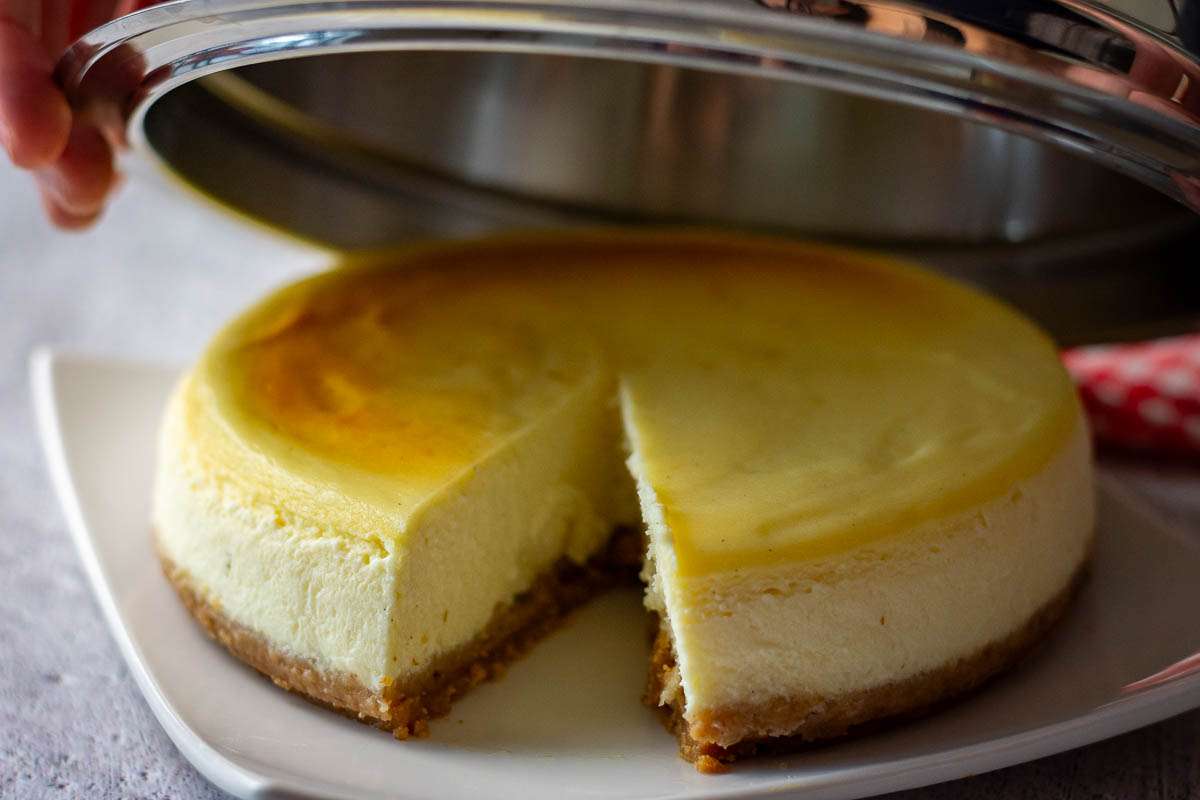
Cheesecake divides people. Some swear by the dense, creamy texture of a baked version. Others prefer the light, mousse-like finish of a fridge-set one. Both work. But the difference between them isn’t just texture; it’s method, flavour, shelf life, and what suits the occasion.
Texture: Firm vs. Soft
Baked cheesecake has a firm, thick, almost custard-like structure. The eggs are set in the oven, creating a dense slice that holds its shape with a clean cut. It feels rich, smooth, and almost velvety on the tongue. It is perfect for classic flavours such as vanilla, chocolate, or citrus. Fridge-set cheesecake relies on gelatin, cream, or condensed milk to hold it together. It never goes near the oven. As a result, it’s lighter, airier, and has more of a whipped or mousse-like texture. It’s colder on the bite and can feel fresher, especially in the summer.
Flavour: Deep vs. Delicate
A baked cheesecake develops a deeper flavour while it is cooking. The top may brown slightly. The mix becomes more intense. You can taste the cheese more clearly, especially with cream cheese or mascarpone. It works well with stronger pairings like salted caramel, roasted nuts, or dark berries. Chilled cheesecakes taste more subtle. The filling stays closer to its original dairy taste. Vanilla, lemon, or white chocolate sit better in this format. Because it’s not cooked, the flavours don’t intensify, but they stay clean. It suits fruit toppings, compotes, or flavoured gel layers.
Structure and Presentation
The baked cheesecake slices are presented in a clean manner. They hold their shape well on plates, in boxes, or at events. You can layer them, glaze them, or top them with ganache without fear of collapse. They are ideal for use as postal treats or as part of a shop display. Fridge-set cheesecakes are more delicate. They can collapse or crack if not chilled long enough. They don’t travel as well, especially in warm weather. But they can look stunning in ramekins, glass pots, or individual cups. Add berries, sauces, or edible flowers without the need to bake anything.
Shelf Life and Storage
Baked cheesecakes last slightly longer. You’ll get around 5–6 days in the fridge if sealed well. The cooked eggs stabilise the filling. You can also freeze them successfully; slice first, wrap tightly, and defrost overnight in the fridge. Chilled cheesecakes last around 3–4 days, depending on the topping. Because they contain fresh cream and often no preservatives, they spoil faster. They don’t freeze well. The texture changes when thawed—too soft, sometimes watery.
They require a significant investment of time and expertise.
Baked cheesecakes need more effort. You’ll need to bake in a water bath, cool slowly, and ideally chill overnight. Crack the top, and the whole look suffers. It’s more technical but also more impressive. Chilled cheesecakes are quicker. Mix, pour, and set in the fridge for a few hours. No oven, no water bath, no risk of cracking. A good choice for home bakers, quick treats, or last-minute desserts.
Which One Is Better for Your Cake Shop?
If you’re buying or ordering from a cake shop, it depends on the occasion and delivery method. For events, delivery boxes, or gifting, baked cheesecakes stay firm, last longer, and travel better. For afternoon teas, garden parties, or chilled treats, a well-made fridge-set cheesecake feels lighter and more seasonal.
Final Verdict
- Baked: Firm, rich, long-lasting, better for strong flavours.
- Fridge-set: Soft, light, quick to make, better for fresh fruit and subtle notes
Each has a place. Choose by texture, time, and taste. One isn’t better than the other; it’s about what works for the moment on your plate.

Comments are closed.