
Author

admin

Browsing

Melbourne diners want depth, heat and clarity in every bite, and contemporary Asian kitchens meet that brief. If you search for the best asian restaurant melbourne, you will find a new wave of venues that honour tradition while using local produce and precise technique.

I study menus, chef backgrounds and service models across the city. I look at balance, sourcing and how well a room supports the food. The picks and tactics here come from that lens.

You will see why this dining style fits Melbourne right now, how to judge options in the CBD, and where Past / Port stands out in a busy field. You will leave with clear steps for your next booking, plus smart order ideas for any mood or group size.

Why Contemporary Asian Suits Melbourne Right Now

Melbourne loves bold flavour and shared plates.

Chefs draw on Southeast Asian roots and local farms, which gives clean heat, crisp herbs and texture. That mix lands well with a city that values choice and craft.

CBD workers need quick snacks at five and long tables at eight. Modern Asian rooms give both. They handle a snack-and-cocktail stop or a full banquet with ease.

Wine programs here are strong. Spice needs acid, fruit and fine tannin. The better lists know that and plan pairings to match.

How I Judge an Asian Restaurant in the Melbourne CBD

Use this checklist to sort options fast:

  • Purpose and focus
  • A clear point of view across Malaysia, Singapore, Thailand, Vietnam or Indonesia
  • Dishes that balance sweet, sour, salty, bitter and heat
  • Produce and technique
  • Local seafood and meat with clean prep
  • Broths that taste bright, not muddy
  • Crispy where it should be crisp, silky where it should be soft
  • Menu design
  • Small plates for a quick stop
  • Larger plates that suit shared dining
  • At least one strong vegetarian or plant-forward path
  • Drinks fit
  • Cocktails that work with spice
  • A wine list with acid, texture and restraint
  • Room and service
  • Energy that suits dates, work dinners and groups
  • Team members who guide heat levels and pairings

If a venue hits most of these points, you have a safe pick for an asian restaurant melbourne cbd visit.

Spotlight: Past / Port

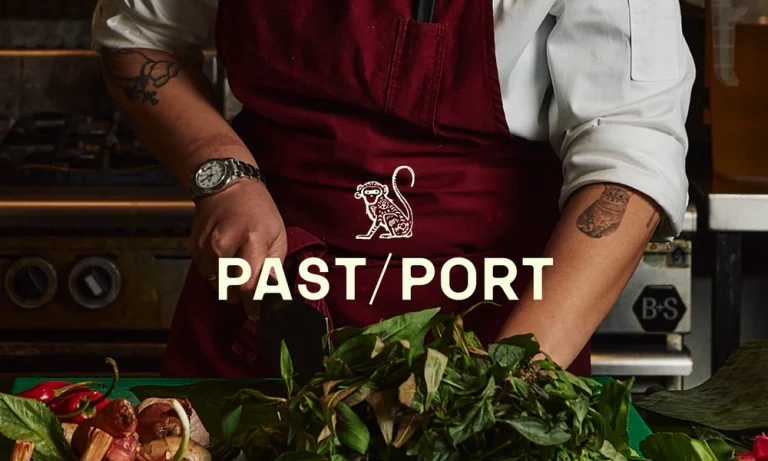
Past / Port sits upstairs at The Waterside Hotel and channels movement, memory and the buzz of Southeast Asia. They build dishes around heat and nostalgia, but keep the lines clean. That mix places them in the top tier of modern asian restaurants melbourne.

The menu, led by Executive Chef Sarah Chan, draws on Malaysia, Singapore, Thailand, Vietnam and Indonesia. Australian produce leads each plate.

Highlights worth your attention:

  • Small plates
  • Fresh oysters with calamansi mignonette
  • Betel leaf with charred pineapple and green mango
  • Nyonya pie tee with ocean trout and salmon caviar
  • Tom yum prawn dumplings
  • Beef tartare with nam jim jaew
  • Raw kingfish with salted plum and Thai basil
  • Larger plates
  • Yellow fish curry with Humpty Doo barramundi
  • Beef rendang with Angus brisket
  • Grilled chicken kapitan
  • Pineapple prawn curry
  • Grilled pork ribs
  • Roasted pumpkin red curry
  • Angus porterhouse and O’Connor grass fed rib eye
  • Sides and salads
  • Nasi kerabu
  • Wok fried beef pad see ewe
  • Duck fried rice or vegetarian fried rice
  • Prawn and mango salad
  • Stir fried morning glory
  • Lemongrass and chili sate tofu
  • Crispy fried brussel sprouts

Why choose them over other south east asian restaurants melbourne:

  • Range without clutter. The menu covers a wide map, yet each dish reads focused.
  • A room that lets you choose your pace. Second-floor dining, a level three rooftop, and a private space upstairs give you control.
  • Banquet strength. Groups of eight or more get a clear path with shared plates from raw to grill to curry to dessert.
  • A drinks program built to match herbs, spice and fat. Cocktails and wines are selected to lift, not mask.

If you want the best asian restaurant melbourne cbd experience with balance and energy, they deserve a close look.

What to Order Based on Your Plan

Pick a lane to make the night work for you:

  • Fast pre-show or post-work
  • Oysters with calamansi mignonette
  • Tom yum prawn dumplings
  • Betel leaf with charred pineapple and green mango
  • Burrata with spicy tamarind chili
  • Longer dinner for two
  • Start with raw kingfish or beef tartare
  • Share yellow fish curry or beef rendang
  • Add stir fried morning glory and blue pandan rice
  • Finish with coconut sorbet or a pandan slice
  • Group feast
  • Choose a banquet for rhythm and value
  • Expect oysters, raw kingfish, grilled scallop, dumplings, curries, rib eye, greens and rice
  • Dessert can be sesame balls with salted egg custard or banana fritters
  • Plant-forward focus
  • Roasted pumpkin red curry
  • Lemongrass and chili sate tofu
  • Crispy fried brussel sprouts
  • Fragrant blue pandan rice

Drinks That Support Spice and Texture

The cocktail list shows range and control:

  • Pandan Fizz for herbs and cream notes against heat
  • Jungle Bird for bitter-sweet balance with pork ribs or fried chicken
  • Rose Martini for a clean, floral match with raw plates
  • Kingston Negroni for grip with beef rendang or rib eye

The wine program reads smart across bubbles, whites, rosé and reds:

  • Dry Riesling or young Semillon for dumplings and oysters
  • Sauvignon Blanc or Albariño for herb-rich salads
  • Pinot Noir with chicken kapitan
  • Grenache or lighter Shiraz for pork ribs
  • A measured, oak-light Chardonnay for yellow fish curry

Non-alcoholic picks sit well with spice. Ask for citrus, saline and herbal notes.

Planning Your CBD Visit

Lock in these steps for a smooth night:

1. Define the goal. Quick snack, date, client dinner or big group.

2. Set heat comfort. Ask the team to steer dishes to your level.

3. Balance the table. One raw, one grill, one curry, one green, one rice.

4. Pair with purpose. High-acid whites, light reds or a bitter-leaning cocktail.

5. For groups, pick a banquet. It sets pace and keeps spend clear.

6. Consider the rooftop for pre or post drinks if the weather suits.

The Bigger Picture Across the City

Asian restaurant melbourne options cover classic, fusion and strict regional kitchens. The strong trend sits with venues that keep technique tight and let herbs, citrus and spice speak.

In suburbs and the CBD, you will see venues focus on one region or a smart blend across Southeast Asia. Modern kitchens value texture, clean stocks, live fire and short menus that change with produce.

If your search is broad, sort by clarity and drink pairing. If your search is cbd based, favor rooms that handle both a fast stop and a long sit.

Final Word

Melbourne expects precision, warmth and momentum from a dining room. Past / Port delivers that mix with a clear South-East Asian viewpoint, a confident menu, and a drink list shaped for spice and freshness.

If you want a modern asian restaurants melbourne experience that respects tradition and reads current, they set a high benchmark. Set your plan, choose with intent, and let the room guide the pace.

At a Glance

  • Proper storage and handling of shredded and grated cheese is essential to maintain melt quality, flavour consistency and food safety in commercial kitchens.
  • Stable cold storage and moisture control help prevent clumping, condensation and performance issues during cooking.
  • Hygienic handling and FIFO stock rotation support safe, consistent kitchen operations and reduce waste.

Shredded and grated cheese are essential ingredients in commercial kitchens. From pizzerias and quick-service restaurants to full-service restaurants, these cheese formats support speed and consistency during busy service periods.

However, these cheeses only perform as intended when storage and handling are done correctly. Improper practices can quickly affect melt quality, flavour consistency, product performance and food safety compliance. Issues such as clumping, moisture release or inconsistent melting are often linked to handling and storage practices rather than the product itself.

This article provides practical guidance on the proper storage and handling of shredded cheese and grated cheese in bulk, helping foodservice operators maintain quality throughout storage and service.

Maintain Consistent Cold Storage Temperatures

Temperature stability is the foundation of effective bulk cheese storage. Shredded and grated cheese should be stored under consistent refrigeration between 1°C and 5°C to preserve texture and melt performance.

Frequent temperature fluctuations can cause cheese to release moisture or develop surface condensation. This can happen when packs are repeatedly moved between cold storage and prep benches during service. It leads to clumping, uneven coverage during cooking and reduced melt consistency, particularly noticeable with mozzarella and cheddar used for surface melting.

Storage location within the refrigerator is as critical as temperature control. High-traffic fridge zones near doors are prone to temperature fluctuations due to frequent opening and closing. Storing bulk cheese in lower-traffic areas of the refrigerator, such as interior shelves rather than door racks, helps maintain consistent refrigeration and protects product performance throughout its storage life.

Control Moisture and Humidity Exposure

Moisture is one of the quickest ways shredded and grated cheese lose quality in a commercial kitchen. Excess humidity accelerates clumping, shortens shelf life and compromises how cheese melts under heat.

To minimise moisture exposure, cheese should remain sealed in its original packaging until it is needed. Once opened and used, packs should be resealed tightly with clips or tight folds, or kept in an airtight container to limit airflow. Leaving cheese partially covered or loosely wrapped allows ambient moisture to enter, which quickly affects texture, melt performance and shelf life.

Condensation is another key risk, especially when cheese is moved between cold storage and warmer prep areas, which can cause moisture to form on the shreds’ surface. Avoiding unnecessary temperature fluctuations by staging only the amount needed for immediate use reduces condensation, helping prevent premature spoilage and uneven melting during cooking.

Use Proper Handling Practices

How cheese is handled during service plays an important role in maintaining food safety and consistent product performance. Using clean, dry utensils or gloved hands helps reduce unnecessary contact with shredded and grated cheese, supporting better hygiene during busy service periods.

Direct hand contact increases the risk of contamination and can affect product quality. Likewise, returning unused portions to bulk packets or containers, particularly those left on benches or near the pass, introduces additional hygiene risks. Keeping freshly opened cheese separate from portions already exposed during service also helps maintain product quality.

Simple handling habits, such as keeping containers covered when not actively in use and positioning cheese away from wet prep zones, help minimise cross-contact and support cleaner, more reliable service workflows.

Rotate Stock Using First-In, First-Out (FIFO)

FIFO (First-In, First-Out) is a simple but essential bulk cheese handling method. Older stock should always be used before newer deliveries to maintain freshness and product performance.

Proper stock rotation preserves flavour, melt behaviour and food safety compliance, especially in high-volume kitchens where multiple cheese deliveries may overlap. Without FIFO, cheese can sit unused for too long, increasing the risk of quality decline even under correct refrigeration.

Clear labelling and date tracking make FIFO easy to follow. For example, label packs with the opened date and use-by date, and store older packs at the front so they are used first during service. These simple practices support consistent cheese handling across shifts and reduce the chance of avoidable waste or non-compliant use.

Effective storage and handling of shredded and grated cheese is straightforward but requires consistency. Stable refrigeration, moisture control, hygienic handling, and FIFO rotation all improve melt performance, reliability and kitchen efficiency without adding unnecessary complexity to daily operations.

Storage and handling systems are most effective when paired with cheese manufactured specifically for commercial kitchens. Partnering with a reputable cheese products supplier supports consistent cheese quality, predictable melt behaviour and reliable performance in high-volume foodservice environments.

Whole foods derived from plants, such as fruits, vegetables, grains, legumes, nuts, and seeds, are the main emphasis of plant-based diet regimens. Because they are starchy and often used in fried or highly processed foods, potatoes frequently generate controversy with these eating habits. However, when cooked intelligently, potatoes may play a crucial part in balanced plant-based meals. Knowing their nutritional worth, adaptability, and contribution to the overall quality of a diet helps address the question of whether are potatoes healthy.

The Nutritional Value Of Potatoes In A Plant-Based Diet

Potatoes are naturally high in carbs, which are the major energy source in most plant-based dietary regimens. These carbs are complex, meaning they deliver sustained energy rather than fast surges and crashes when potatoes are cooked without significant fats or sweets. A medium potato also contains fiber, particularly when eaten with the skin, which aids digestion and intestinal health.

In addition to carbs, potatoes provide vital vitamins and minerals. They are a major source of vitamin C, potassium, and vitamin B6. Potassium is especially essential in a plant-based diet since it helps regulate salt consumption and improves heart function. Vitamin C contributes to immunological function and helps the body absorb iron from plant foods, which is a crucial factor for individuals following plant-based diets.

Addressing The Common Concerns About Potatoes

One reason potatoes are frequently questioned in a plant-based diet is their glycemic index. While potatoes may elevate blood sugar levels more rapidly than certain other vegetables, this impact varies largely depending on cooking technique and meal composition. Pairing potatoes with fiber-rich veggies, lentils, or healthy fats slows digestion and promotes a more balanced blood sugar response.

Another worry is the connection of potatoes with unhealthy meals like fries and chips. These versions are generally heavy in added fats, salt, and calories, which do not represent the nutritious potential of the potato itself. In plant-based nutrition regimens, the emphasis is on whole, minimally processed meals. Baked, boiled, steamed, or roasted potatoes correspond well with this method and give sustenance without needless additions.

Potatoes As A Satisfying Staple Food

Satiety is a crucial feature in a sustained plant-based diet. Potatoes rate high on the satiety index, suggesting they help individuals feel full and satisfied after meals. For those switching to plant-based diets who may be concerned about hunger or dissatisfaction, this can be really beneficial.

Because potatoes are cheap and nutritious, they may serve as a stable staple meal. They make meals more substantial and pleasurable, which fosters long-term commitment to a plant-based diet. When paired with beans, lentils, vegetables, and herbs, potatoes form part of balanced meals that give both comfort and nourishment.

Potatoes And Micronutrient Balance

Plant-based diets emphasize nutritional density, and potatoes provide more than many people assume. Along with potassium and vitamin C, they give magnesium, iron, and antioxidants. While they are not a full source of protein, they do contain tiny quantities that add to total consumption when paired with other plant foods.

Potatoes also assist hydration owing to their water content. In plant-based nutrition regimens that stress whole foods, this may add to total fluid consumption, particularly when meals contain soups or stews including potatoes and vegetables.

Techniques For Cooking That Promote Plant-Based Nutrition

The influence of potatoes on health is largely dependent on how they are cooked. These sweet potato meal prep ideas keep most nutrients while keeping calories in line. Roasting potatoes with tiny quantities of plant oils and herbs provides taste without dominating their nutritious advantages. Cooling cooked potatoes before reheating may help boost resistant starch, which improves gut health and feeds good bacteria.

Potatoes may be seasoned with herbs, spices, nutritional yeast, or plant-based sauces to provide variation without using a lot of oil or salt. These cooking techniques let potatoes integrate seamlessly into plant-based diet regimens that promote taste and sustenance.

Potatoes In Balanced Plant-Based Meals

Potatoes are best served as a component of a whole meal rather than as the main attraction in a plant-based setting. Pairing them with leafy greens, cruciferous veggies, legumes, and nuts offers a diverse spectrum of nutrients in one platter. This balance uses potatoes as a basis for energy production while ensuring sufficient protein, good fats, and vitamins.

Because of their high potassium and carbohydrate content, potatoes may be particularly helpful for athletes or energetic people on plant-based diets. They assist in restoring energy storage and sustaining muscular function after physical exertion.

Final Thoughts

When cooked and eaten with awareness, potatoes can definitely fit into plant-based diet regimens. They give energy, necessary minerals, and enjoyment that maintain total nutritional balance. Instead of avoiding them due to misunderstandings, it is more advantageous to concentrate on cooking techniques and meal pairings. When considered as a full meal rather than a manufactured side dish, potatoes indicate that basic plant foods can be both healthy and pleasant.

Cooking oil is a staple in every Indian kitchen. From tempering spices in a tadka to deep-frying snacks, oil plays a crucial role in our daily meals. However, choosing the right cooking oil isn’t as simple as picking the most popular brand off the shelf. Many people unknowingly make mistakes that can affect both taste and health. Here are some common mistakes Indians make when selecting healthy cooking oils and how to avoid them.

  1. Ignoring Smoke Point

One of the biggest mistakes is not considering the smoke point of an oil. The smoke point is the temperature at which oil starts to break down and produce harmful compounds. For example, oils like extra virgin olive oil have a low smoke point, making them unsuitable for high-heat cooking. Instead, oils (like rice bran, sunflower, or refined mustard oil) are better for frying, while olive oil or cold-pressed groundnut oil can be used for sautéing or salad dressings.

  1. Focusing Only on Branding

Many consumers choose oils based on brand popularity rather than nutritional value. Big brands are often marketed as “healthy” or “premium,” but this doesn’t always mean they’re suitable for your cooking needs. Always check the label for the type of oil (refined, cold-pressed, or blended) and nutritional content instead of relying solely on marketing claims.

  1. Overlooking the Type of Fat

Not all fats are equal. Oils high in trans fats or saturated fats can increase the risk of heart disease. While traditional Indian oils (like ghee or vanaspati) are tasty, they are high in saturated fats. Healthier alternatives include cold-pressed mustard oil and extra virgin olive oil, which provide essential fatty acids without excessive saturated fat.

  1. Reusing Oil Too Many Times

Reusing oil multiple times is common in Indian households, especially for deep-fried snacks. However, reheating oil can produce harmful free radicals and degrade the nutritional quality. Limit oil reuse, and if you must reuse, filter it and avoid heating it to high temperatures.

  1. Ignoring Storage and Shelf Life

Oils can go rancid if not stored properly. Many people keep oils near the stove, exposing them to heat and light. This reduces shelf life and affects taste and safety. Store oils in cool, dark places in airtight containers to preserve their health benefits.

  1. Not Considering Cooking Method

Different oils are suitable for various cooking methods. For sautéing, stir-frying, or drizzling, cold-pressed oils like olive or groundnut are ideal. For deep-frying, refined oils with high smoke points are better. Matching the oil to the cooking style ensures you retain both flavour and nutritional value.

Conclusion

Choosing the right cooking oil is more than just picking a “healthy” option off the shelf. Understanding factors like smoke points, types of fat, storage, and cooking methods can make a significant difference to both your health and the taste of your meals. By avoiding these common mistakes, Indian consumers can choose the healthiest oils for their heart and their taste buds every day.

Introduction

In the bustling environment of Washington, DC, keeping your team happy and productive can be a challenge. One way to achieve this is by ensuring they are well-fed with nutritious and delicious meals. This is where office catering in DC becomes vital. A well-fed team is a happy team, and a happy team is a productive one.

Boosting Productivity with Office Catering

Office catering plays a crucial role in enhancing employee productivity. With a reliable catering service, businesses can save time that employees would otherwise spend on deciding what to eat, ordering, and waiting for their meals. Instead, teams can focus on what they do best—working and collaborating.

Research has shown that proper nutrition significantly impacts cognitive performance, which directly translates to improved workplace outcomes. Providing balanced meals through office catering services ensures that your team has the energy and focus required to excel in their tasks.

The Benefits of Office Catering

Office catering offers numerous benefits beyond productivity. First, it is a morale booster. There’s an unspoken camaraderie that develops over shared meals. Offering meals at work fosters team bonding and creates a positive and inclusive office culture.

Moreover, providing catering as a perk can be an attractive incentive for retaining and attracting top talent. In a competitive job market, companies that pay attention to their employees’ well-being stand out. Furthermore, opting for catering solutions can help manage dietary restrictions and ensure everyone in the office is comfortable and satisfied.

Choosing the Right Catering Service

When selecting a catering service for your office, it’s essential to consider several factors. You’ll want a company that offers diverse menu options, high-quality ingredients, and reliability. It’s also beneficial if they can accommodate dietary restrictions and preferences, ensuring all team members can enjoy the meals provided.

Additionally, sustainability in catering choices is becoming increasingly important. Companies are more conscientious about environmental impact; thus, choosing a catering partner that prioritizes eco-friendly practices is advantageous. Look for services that minimize waste and use sustainable resources.

Brown Bag Catering: Your Premier Choice

At Brown Bag, we understand the intricacies of office catering in DC. Our commitment to quality and service makes us the ideal choice for companies looking to offer their team the best dining experience. We offer a variety of delicious and fresh menu options tailored to meet the diverse needs of modern businesses.

Our team works diligently to ensure every aspect of your catering service is seamless. From customization options to ensuring timely delivery, Brown Bag is dedicated to exceeding your expectations.

Why Brown Bag Stands Out

Brown Bag distinguishes itself through a strong focus on quality, service, and customer satisfaction. Our talented chefs curate menus that cater to all tastes and dietary preferences, ensuring that every meal meets our high standards.

We also place high importance on flexibility. Whether it’s a last-minute request or a specially curated menu for a corporate event, our team is equipped to handle it all with precision and care.

Sustainability and Quality

Quality and sustainability are at the heart of everything we do at Brown Bag. We believe in using fresh, locally sourced ingredients to create delicious meals. We also take steps towards minimizing our environmental impact by using sustainable packaging and reducing food waste.

By choosing Brown Bag for your office catering needs in DC, you’re not only investing in your team’s well-being but also making a positive impact on the environment.

How to Get Started with Brown Bag

Getting started with Brown Bag is simple. Visit our website to explore our menu options and learn more about how we can cater to your office. Whether you need daily catering or catering for special events, we are here to help.

Our team is ready to assist with inquiries and provide guidance to ensure the process is smooth and tailored to your needs. Discover why Brown Bag is the preferred choice for office catering in DC by reaching out to us today.

Explore more about the benefits of offering healthy meals at work from resources like World Health Organization and Harvard Health for insights on nutrition’s impact on health and productivity.


In multi-site food operations, one of the most persistent challenges is maintaining consistent taste, quality, and presentation, especially when different teams, equipment, and kitchen environments are involved. Even minor variations in ingredient preparation, portioning, or cooking performance can result in noticeable inconsistencies impacting customer experience from one location to another. One often-overlooked contributor to this issue is manually shredded cheese.

Pre-shredded cheese offers a simple yet highly effective solution to this operational challenge. By eliminating inconsistencies in shred size, moisture content, and handling, it ensures each portion behaves predictably in the kitchen.

In this article, we’ll explore how pre-shredded cheese helps maintain food consistency across stores.

Uniform Shred Size and Distribution

One of the key benefits of pre-shredded cheese in multi-site operations is the precision and consistency it brings to food preparation. As pre-shredded cheese is manufactured under strict specifications, it is uniform in shred size, weight, and moisture content. Therefore, every portion behaves predictably in the kitchen, and this uniformity enhances cheese consistency in food, regardless of where or by whom it is prepared.

Moreover, the standardised shred size makes it easier to follow portioning guidelines. With pre-shredded cheese, kitchen staff can offer a consistently uniform cheese shred by reducing the margin for error in both preparation and plating. They can apply cheese with confidence, knowing they are using the correct quantity every time, without the need to shred or guess volumes manually. This helps prevent common issues such as overuse, which can inflate food costs, or underuse, which can compromise product quality.

Less Prep Time and Variability in the Kitchen

Staff no longer need to spend time shredding cheese or estimating quantities. They can simply use the cheese straight from the pack. This saves valuable prep time, improves speed during peak service hours, and supports better food hygiene by reducing the risk of cross-contamination.

Standardisation in cheese also supports multi-site consistency. Since the team across different locations doesn’t rely on various equipment or personal techniques to shred cheese, there’s less variability in preparation. Furthermore, simplified cheese handling also reduces training requirements for new or casual staff and supports a more efficient onboarding process.

Predictable Melting and Performance

Pre-shredded cheese offers predictable melting behaviour, which is essential for maintaining quality across a wide range of food service applications and locations. It typically provides even melt coverage without clumping or burning, when properly handled.

For example, Universal Shredded Mozzarella Cheese is specifically engineered to deliver an exceptional melting profile and dependable stretch. It performs reliably across various oven types, from standard impinger and fast-bake impingers to traditional wood-fired ovens. The standard crescent shred profile ensures it blisters evenly to a golden-brown finish while delivering excellent surface coverage. These characteristics make it ideal for high-performance menu staples like pizzas, lasagne, and chicken parmigianas.

Similarly, Shredded Gouda Cheese provides a semi-hard, elastic texture with smooth melting qualities that support consistent results across multiple applications. Its fine shred profile makes portioning easier, leading to improved yield control and minimal waste. This makes it especially suited for use in burrito bowls, enchiladas, toasted wraps, and Mediterranean-style sandwiches where smooth melt and mild flavour are key.

In multi-site operations, this predictable performance of pre-shredded cheese ensures a consistent dining experience, no matter the outlet or dish.

Easier Stock Management and Inventory Control

In addition to culinary uniformity, using a standardised pre-shredded cheese product across multiple locations simplifies inventory control and improves operational efficiency. When every site works with the same cheese with defined shred size and portioning guidelines, it becomes significantly easier to forecast usage for each menu item. 

This standardisation helps procurement teams accurately calculate how much product is needed based on expected sales volumes. So, every store stays stocked with the exact shredded cheese specification designed for the menu. As a result, operators can reduce ordering errors, avoid last-minute stock shortages, and improve inventory rotation. 

When your base ingredients are consistent and always available, your signature flavour profile becomes reputable and resilient, making it harder for competitors to mimic. On a broader scale, streamlined inventory control strengthens the supply chain’s ability to support consistency across all outlets.

In conclusion, pre-shredded cheese is a simple yet powerful way to drive consistency, efficiency, and quality across every store in your network.

If you’re ready to switch to premium pre-shredded cheese, explore Australia’s top-performing food service cheese solutions today.

In a world full of energy drinks, flavored waters, and bottled sweet teas, it’s easy to forget that one of the simplest wellness habits is also one of the oldest – sipping herbal tea. What makes it so timeless isn’t just the soothing ritual but the natural ingredients inside each cup. These humble herbs, roots, and flowers carry a remarkable power that modern science continues to rediscover.

Nature’s Original Functional Beverage

Before “functional beverages” became a trend, herbal teas were already doing the work. From roots that calm the mind to blossoms that support digestion and immune health, every plant brings its own unique properties. Unlike synthetic additives or chemical flavorings, these ingredients deliver real compounds – antioxidants, polyphenols, and essential oils that nourish rather than overstimulate.

And because they’re plant-based, the benefits are gentle, cumulative, and adaptable. Whether you’re easing stress, improving hydration, or looking to replace caffeine, herbal teas offer an approach that feels more like balance than buzz.

Clean Ingredients, Clear Mind

One of the quiet revolutions happening in wellness today is the return to ingredient awareness. More people are reading labels and choosing simple, recognizable components and tea is no exception. A truly natural blend should never hide behind “flavoring” or preservatives.

That’s why brands emphasizing clean formulations are gaining attention. When you steep a tea made purely from <link> dried botanicals  without fillers, artificial coloring, or sweeteners (link https://burtonsbest.com/tea-shop/ ) you get a more authentic flavor and a stronger connection to nature. It’s the difference between a pre-mixed bottle on a shelf and a freshly brewed, purpose-driven cup made with intention.

A Ritual That Gives Back

Drinking herbal tea isn’t just about taste; it’s about creating small, restorative pauses in your day. It’s five quiet minutes where you slow down, breathe, and reset. That mindful act can lower stress hormones, improve digestion, and even help with hydration, especially when your tea doubles as a flavor-packed reason to drink more water.

It’s a ritual that rewards consistency. The more you replace processed drinks with clean herbal infusions, the more noticeable the difference becomes clearer skin, steadier energy, better focus, and calmer evenings.

Where to Begin

If you’re ready to explore the clean side of tea, start with brands that take purity seriously. Burton’s Best crafts small-batch herbal teas using natural botanicals no additives, no artificial flavors, just blends designed to support wellness and balance. Each pouch is made for those who value what’s inside as much as how it makes them feel.

Because when you strip away the unnecessary and return to what’s real, even something as simple as a cup of tea can become an act of self-care.

When it comes to fish in the UK, the mind often jumps straight to cod and haddock, the reliable duo found in chip shops across the country. While these remain beloved staples for good reason, there’s far more to discover in British waters. From familiar names to underrated gems, our coastal seas offer a diverse selection of fish and shellfish that are not only delicious but also more sustainable. With a little knowledge and curiosity, it’s easy to explore new flavours while making responsible choices.

Beyond the Classics

Cod and haddock are well known for their mild flavour and flaky texture, making them family favourites for generations. Haddock, in particular, is used in traditional dishes like the hot-smoked delicacy from northeast Scotland known as Arbroath Smokies. Cod, meanwhile, remains a go-to choice for fish and chips. However, it’s worth keeping sustainability in mind when shopping. Opting for responsibly sourced fillets, particularly those certified by recognised organisations, is a great way to support healthy fish stocks.

Salmon and mackerel are two more widely consumed species, each with their own benefits. Salmon is a popular mealtime regular, while mackerel offers a rich source of omega-3 and reproduces quickly, making it a sound, sustainable choice. Mackerel is best eaten fresh, so it’s ideal to seek it out from a trusted local source where freshness is guaranteed. For those living near the coast or close to a specialist fish counter, there are excellent options for fresh seafood in Bangor and other parts of the UK.

Sustainable Alternatives Worth Trying

For those looking to branch out, several lesser-known fish offer fantastic flavour and a lighter impact on marine ecosystems.

Coley, for instance, is a close relative of cod but tends to be more affordable and versatile. Its soft texture and mild taste make it perfect for pan-frying or baking, and it works well in traditional recipes.

Hake is another fantastic option. Its firm white flesh makes it a great substitute for cod in fried or grilled dishes and is often highlighted in restaurant menus for its clean flavour.

Gurnard, once undervalued, has found new popularity among chefs. Its firm texture and subtly sweet flavour lend well to roasting, particularly with Mediterranean vegetables.

Off the Cornish coast, sardines (also known as pilchards) are abundant and full of omega-3. Simply grilled with a squeeze of lemon, they’re an easy, healthy addition to any meal.

Shellfish from UK Shores

UK waters also boast a rich array of shellfish. Rope-grown mussels are among the most sustainable seafood choices available and are easy to prepare in a dish like moules marinière, with garlic, white wine and herbs.

Crab, especially from northern waters, provides sweet, delicate meat that can be used in sandwiches, salads, or pasta.

Other favourites include cockles and clams, both of which bring a fresh, briny taste to steamed dishes or seafood linguine.

Coastal Catches in North Wales

In towns along the Welsh coast, particularly in Llandudno, Wales, seafood has long been part of local life. Waters off the North Shore regularly produce species like mackerel during the warmer months, as well as flatfish such as plaice and flounder. Wild sea bass can occasionally be found too, offering a rich, flaky texture. Local shellfish is also common and often featured in restaurants and fish counters throughout the area.

Easy Recipes to Try at Home

Trying something new doesn’t need to be complicated. Here are two straightforward ideas to get you started:

Pan-Fried Coley:
 Season coley fillets with salt and pepper, then pan-fry in olive oil for 3–4 minutes on each side. Serve with steamed greens and lemon.

Roasted Gurnard with Peppers:
 Place whole, gutted gurnard in a roasting tray with sliced peppers and onions. Add olive oil, a splash of white wine, and a little seasoning, then roast at 180°C for around 20 minutes.

Choosing Seafood Responsibly

Whether you’re cooking at home or eating out, choosing fish with sustainability in mind makes a real difference. Look for the blue ecolabel from reputable certification schemes or consult resources that help guide your seafood choices. By thinking beyond the familiar and embracing the wider selection available, it’s possible to enjoy a more varied and environmentally responsible diet.

Exploring British seafood doesn’t have to be complicated. With a few new ideas and a willingness to try, it can open the door to fresh meals, healthier choices, and support for local fishing communities all in one.

telehealth consultations are booked via healthcare websites or mobile apps. Personal details are entered during account registration. After logging in, patients select their medical concern, choose an available time slot, and complete payment. Most services offer appointments on the same day. It has made medical care more accessible to people living away from doctors’ offices or with busy schedules.

Creating platform accounts

NextClinic requires users to register before booking appointments. Users can only create passwords to protect their accounts. Medicare card numbers are added during sign-up when booking the first appointment. Verification steps confirm identity and prevent fake accounts. A confirmation code gets sent to the email provided. Users enter this code to activate their account. Some platforms ask for photo identification, like a driver’s license. These security measures protect patients’ privacy.

Selecting appointment types

Different medical needs require different consultation options on telehealth platforms:

  1. Checkups for coughs, fevers, and infections
  2. Psychology or counseling sessions for mental health support
  3. Skin condition assessments and sexual health consultations
  4. Medication refills for regular prescriptions
  5. Sick leave certificates for work absence
  6. Follow-up appointments to discuss test results

Completing health questionnaires

Before any consultation, patients fill out forms about their health:

  • What symptoms are happening right now, and when they started
  • Medical conditions already diagnosed, like high blood pressure
  • All medicines currently being taken with doses
  • Allergies to medications, foods, or other substances
  • Past surgeries or hospital stays
  • Health problems that run in the family

These answers let doctors prepare properly and give better care. Photos are uploaded for visible problems like rashes, cuts, or swelling. Old test results in PDF format are attached to the booking. Detailed information makes the consultation more useful.

Payment and scheduling

Consultation fees show up before the booking gets confirmed:

  • General appointments usually cost $50 to $80
  • Specialist visits range from $80 to $150
  • Mental health sessions may get Medicare rebates
  • Monthly subscriptions allow unlimited visits on some platforms

There are several ways to pay, including credit cards, debit cards, and digital payment methods. Medicare rebates apply automatically when card details are entered. After paying, the calendar shows which time slots are free. Patients click their preferred time to lock in the booking. Urgent appointments connect patients with doctors faster. Express bookings cost more but provide access within an hour. Regular appointments can be scheduled several days ahead for non-urgent matters.

Joining scheduled consultations

Booking confirmations arrive by email right after payment goes through. These emails contain the appointment date, time, and instructions for joining. Reminder messages come one hour before the consultation starts. A link or meeting code gets sent to access the online session. Different consultation formats suit different situations:

  • Video calls need a working camera and microphone
  • Phone consultations use the mobile number given at registration
  • Text messaging works for simple questions and prescription renewals

Patients should click the consultation link a few minutes early. The virtual waiting room opens, and the doctor joins at the scheduled time. A good internet connection prevents video freezing during calls. A quiet room without background noise works best. Having pharmacy contact details ready speeds up prescription delivery.

During the earlier days, for outdoor cooking, we had to stand beside a smoky grill and keep on turning the food till it was half burnt. But those days are now gone. You can create your kitchen right in your backyard and enjoy with your friends. Your new pizza oven, which is available in the market, has changed the scenario. You can now cook crispy pizza with wood smoke flavour right in your backyard.

Finding the Right Oven for Your Space

You must select your oven wisely. When you buy an oven from the selections available at the store of BBQs2u, then only you can find out why Gozney Dome Gen 2 bundle is popular. This oven has been specially designed to be used in all seasons. You are free to use wood, charcoal, or gas as a fuel. 

If you are calling your friends for a party, then you can serve delicious pizza with a rustic flavour of wood-smoke. It can quickly reach the temperature of 950° F within a very short time and offer the taste that you are looking for. BBQs2u, a small family-run store that truly values personal service, offers this bundle with everything you need to get started. From stands and covers to peels and accessories, they have thought of it all. 

The Joy of Cooking Outdoors

When you start learning to cook outdoors, not only will you learn to be more patient, but it will also bring you closer to your food. What you learn while cooking is not perfection, but all about the process of cooking. 

When you smell the smoke of a wood fire, the hissing sound on the stone, and the oven’s glow in the darkness of evening, you will have the real feel of cooking. When your friends gather around, and conversation goes on, the whole thing will turn into a unique experience. 

To learn about all these, it is not necessary that you have to be a master chef. All you need is a little curiosity, a good oven, and some practice. You will eventually get that by burning a few pizzas, doing some trial and error with flame, and tweaking the timing. Your magic will begin thereafter.

Learning Through Fire and Flame

Mastering the art of cooking takes a little time, but the time devoted is worth it. You will know about the flame, timing, and listen to the sound when the crust is ready. Once you are comfortable, the oven will become your best friend.

  • Experiment: Try different fuels to find your favourite flavour.
  • Observe: Each fire burns differently – learn to read it.
  • Share: Invite people over; outdoor cooking is best when shared.

The Heart of the Backyard

Finally, outdoor cooking is not just about food, but your judgment about flame, heat, temperature, and timings. Your oven will be considered your perfect oven when it serves your purpose during every season. Once you start your oven in your backyard, it will create a new story for you.