
Author

admin

Browsing

Sticky foods are the rebels of the culinary world. They cling to your fingers, your plate, your teeth, and sometimes even your dignity. But for all their mess and mischief, we love them anyway. Whether they’re sweet, savoury, or suspiciously somewhere in between, sticky foods have a way of drawing us in.

From far-flung corners of the globe to your local food market, here are five of the world’s stickiest (and most delicious) foods, plus a quick word of warning if you’re currently straightening your smile.

1. Korean Tteokbokki – Sticky, Spicy, and Totally Addictive

Country of origin: South Korea
Flavour: Savoury with a fiery kick

Tteokbokki is the ultimate Korean street food. These chewy rice cakes are simmered in a glossy red sauce made from gochujang (Korean chilli paste), soy sauce, sugar, and garlic. The result is a sticky, spicy, slightly sweet dish that leaves your mouth tingling and your fingers coated in sauce.

Tteokbokki is served hot and messy, often bubbling away in a street-side pot or sizzling at your table. If you’re a fan of bold flavours and aren’t afraid to get a little sauce on your shirt, this dish is for you. Just don’t expect to look elegant eating it.

2. American S’mores – The Campfire Classic

Country of origin: United States
Flavour: Sweet and gooey

Nothing says summer like toasted marshmallows, melty chocolate, and graham crackers all smooshed together into one glorious bite. S’mores are sticky, sweet nostalgia wrapped in a napkin — and you’ll definitely need more than one napkin.

What makes them especially sticky? The marshmallow, of course. Toasted to golden perfection, it stretches into long, sugary strands that cling to your fingers, your chin, and anything else nearby. Delicious? Absolutely. Tidy? Not a chance.

3. Middle Eastern Baklava – Sweet, Sticky Layers of Joy

Country of origin: Turkey, Greece, and much of the Middle East
Flavour: Sweet, nutty, and rich

Baklava might look delicate, with its flaky layers of pastry and finely chopped nuts, but don’t be fooled. This dessert is drenched in sticky syrup made from honey or sugar and sometimes scented with rosewater or orange blossom.

Baklava is served in tiny diamond-shaped portions, but one bite fills your mouth with rich sweetness and a slight crunch. It’s a popular dessert across the Middle East and Mediterranean, and while it may look refined, eating it can be a sugary affair — especially if you’re not paying attention to the drips.

4. English Treacle Tart – Golden and Gloriously Sticky

Country of origin: United Kingdom
Flavour: Sweet with a citrusy twist

Treacle tart is Britain’s answer to sticky dessert lovers everywhere. Made with golden syrup, breadcrumbs, and a splash of lemon juice, it’s baked into a shortcrust pastry shell and served warm with cream or custard. The filling is thick, glossy, and unapologetically sticky.

This dessert is a traditional favourite, and Harry Potter fans will know it as the boy wizard’s sweet of choice. It’s the sort of thing that looks neat on a plate but turns into a caramelised dream once you take a bite.

5. West African Egusi Soup with Pounded Yam – Sticky in the Best Way

Country of origin: Nigeria and other parts of West Africa
Flavour: Savoury, rich, and earthy

Egusi soup is made from ground melon seeds, leafy greens, and assorted meats or fish, simmered into a thick, hearty stew. It’s often served with pounded yam, a stretchy, dough-like side that you scoop with your hands and dip straight into the soup.

The combination is gloriously sticky — and you’re meant to eat it with your fingers, no cutlery required. It’s an experience that’s as much about texture as it is about taste, and it’s beloved across Nigeria and West Africa.

A Quick Note if You’re Wearing Invisalign

Now, before you rush off to try all five of these wonderfully sticky dishes, here’s a word of caution. If you’re currently straightening your teeth with Invisalign, sticky foods are not your friend.

Eating particularly sticky dishes like s’mores, baklava, or anything chewy and syrupy can interfere with your aligners. Not only can it pull at or dislodge them, but sticky food can also leave behind residue that gets trapped between the aligner and your teeth, increasing the risk of decay or staining. Invisalign aligners need to be removed before eating anything (especially sticky foods), and your teeth should be cleaned thoroughly before popping them back in.

So, if you’re mid-treatment, maybe keep the treacle tart on hold and save that egusi soup for your post-Invisalign celebration meal.

Final Thoughts

Sticky foods are chaotic, joyful, and totally worth the mess. They bring people together, make memories, and sometimes challenge your table manners in the best way. Just be mindful of when and how you enjoy them — particularly if your teeth are in the middle of a makeover.

Until then, bring extra napkins and embrace the stickiness. It’s part of the fun.
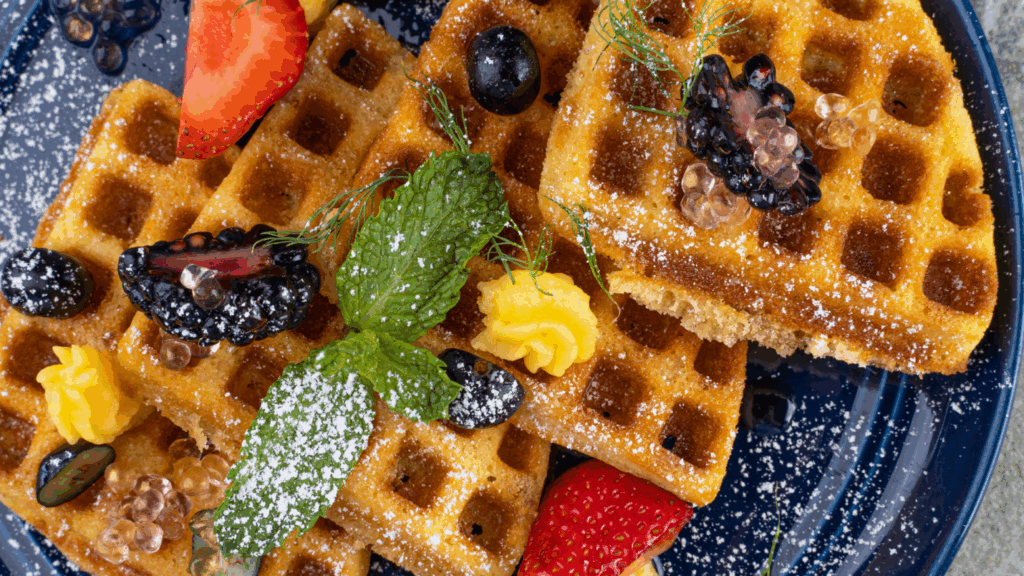
 

There’s something universally satisfying about waffles. Crisp on the outside, fluffy on the inside—they’re the perfect blank canvas for both sweet and savory flavor combinations. Whether you’re a brunch connoisseur, a street food enthusiast, or someone just looking to level up their breakfast routine, the right topping combo can transform a simple waffle into a culinary masterpiece.

From nostalgic classics to bold, unexpected pairings, here are nine creative waffle topping combos that are worth trying—especially if you spot them at your favorite restaurant or decide to recreate them at home.

1. Biscoff Cookie Butter + Bananas + Crushed Graham Crackers

This combo hits all the right notes: creamy, crunchy, caramelized, and sweet. Biscoff cookie butter adds a rich, spiced profile that’s balanced by the freshness of sliced bananas. A sprinkling of crushed graham crackers adds just the right amount of crunch to contrast the fluffy waffle base. Top it off with a drizzle of honey or maple syrup for a finish that’s both indulgent and balanced.

2. Hot Honey Fried Chicken + Pickles + Buttermilk Ranch Drizzle

If you’re craving savory, this Southern-inspired combo is a showstopper. Crispy fried chicken paired with the sweet heat of hot honey is already iconic—but throw in the tang of sliced pickles and a drizzle of creamy buttermilk ranch, and you’ve got a plate that balances spice, salt, crunch, and richness like a dream. This one’s perfect for a late brunch or a satisfying lunch on the go.

3. Lemon Curd + Toasted Coconut + Fresh Raspberries

Bright, tart, and tropical, this waffle topping combo is as refreshing as it is beautiful. Lemon curd brings that zesty punch, while toasted coconut adds a delicate nutty sweetness. Fresh raspberries tie it all together with their juicy pop of flavor. This combo is particularly lovely in warmer months or as a light dessert.

4. S’mores: Melted Chocolate + Toasted Marshmallows + Crushed Graham Crackers

Recreate the joy of a campfire treat in waffle form. Start with a warm waffle, then top it with melted dark chocolate, gooey toasted marshmallows, and a handful of crushed graham crackers. A quick pass under the broiler (or a kitchen torch if you have one) will give your marshmallows that perfect golden edge. Finish with a drizzle of chocolate syrup for good measure.

5. Caprese: Cherry Tomatoes + Burrata + Balsamic Glaze + Basil

Who says waffles can’t be gourmet? This savory take swaps syrup for sophistication. Juicy cherry tomatoes, creamy burrata cheese, and a splash of tangy balsamic glaze create a luxurious combination. A few fresh basil leaves add herbal brightness. It’s like a Caprese salad, but with waffle magic underneath. Serve it with a glass of chilled white wine, and you’ve got an elevated brunch dish that turns heads.

6. Apple Pie: Spiced Apples + Crushed Pecans + Whipped Cream

This cozy combination is perfect for fall but welcome year-round. Sauté diced apples in butter, cinnamon, and a touch of brown sugar until soft and caramelized. Pile them onto your waffle and sprinkle with crushed pecans. A generous dollop of whipped cream (or even a scoop of vanilla ice cream) completes this dessert-inspired dish. It’s warm, comforting, and deeply satisfying.

7. Avocado Smash + Crumbled Feta + Chili Flakes + Poached Egg

For a trendy, protein-packed waffle meal, try this savory brunch favorite with a twist. The creamy avocado smash plays perfectly with the salty bite of crumbled feta and the gentle heat of chili flakes. A poached egg on top not only makes it Instagram-worthy, but adds richness that pulls the whole dish together. Swap toast for waffles and you’ll never go back.

8. Nutella + Strawberries + Crushed Hazelnuts

Sometimes, simple is best—and this trio delivers. Nutella’s creamy chocolate-hazelnut spread is a perfect match for fresh strawberries. Add some crushed hazelnuts for texture and an extra layer of nutty flavor. This combination feels indulgent without being over the top, and it works beautifully for breakfast, brunch, or dessert.

9. Mango Chunks + Tajín + Sweetened Condensed Milk

A bold, tropical take that leans into sweet-and-spicy territory. Diced mango brings a juicy, fragrant element, while Tajín (a chili-lime seasoning) adds a savory-sour kick. Drizzle with sweetened condensed milk for creamy richness that ties it all together. This fusion-inspired combo is especially great during summer or when you want to surprise your taste buds.

The beauty of waffles lies in their versatility. Whether you’re craving something sweet, savory, spicy, or all of the above, the right toppings can turn your waffle into a full-blown flavor experience. These nine combinations are just the beginning—let them inspire your next breakfast creation, or keep your eyes peeled at your local waffle pop up stand for inventive toppings like these.

Hungry yet? Grab a fork, and let your imagination—and appetite—take the lead.

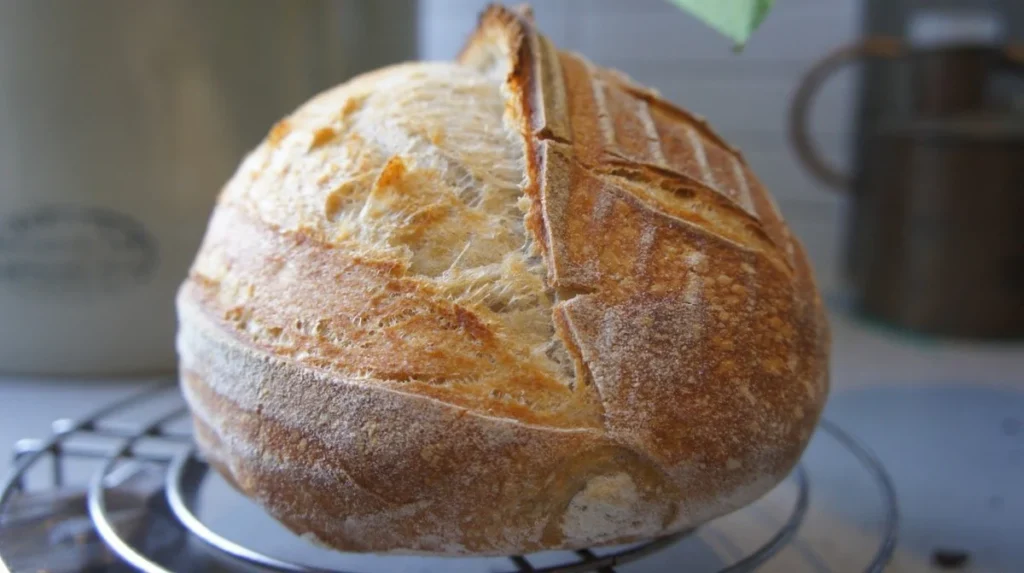
Home baking is rising again. More people are trying new recipes, experimenting with ingredients, and pushing past store-bought basics. But if you’re serious about baking bread, sourdough is a natural next step.  And the easiest way to begin is with a sourdough starter kit. Instead of waiting days to build your own starter from scratch, these kits offer a quicker, cleaner entry into sourdough baking.

1. It Saves Time and Reduces Guesswork

Creating a sourdough starter from zero is tricky. You need the right flour, water ratio, room temperature, and regular feeding for days. A sourdough starter kit comes with a pre-prepared culture. That means less trial and error. No worrying about if it’s active enough or if it’s going bad. You can start baking within a day or two, not a week.

2. Consistent Results Every Time

Baking with sourdough is about timing and balance. A reliable starter is key. Kits are usually lab-tested or professionally cultivated. This implies that they ferment well, rise well and provide the bread with a uniform texture. In case your loaves are becoming dense or sour in an incorrect manner, you can solve that problem quickly by switching to a reliable sourdough starter kit.

3. It’s Ideal for UK Kitchens

Humidity and temperature affect fermentation. In many UK homes, especially during colder months, growing your own starter can be slow. A kit gives you a head start. Whether you live in a flat in Manchester or a cottage in Devon, you’ll get the same fermentation behaviour. That takes a lot of stress out of the process.

4. Great Option for Gifting and Learning

Conventionally, most baking kits include instructions, feeding schedules, and tips. So they’re perfect if you’re learning or gifting it to someone who wants to try sourdough for the first time. It’s a hands-on experience that gets better with each bake. You learn how it reacts, how long it takes to rise, and how to adjust based on your environment.

Final Thought

If you’ve been thinking about baking sourdough but haven’t started, a sourdough starter kit removes the hardest part. It gives you a reliable base, clear instructions, and the confidence to bake your first loaf without the mess. For any baking enthusiast, it’s a smart first step.


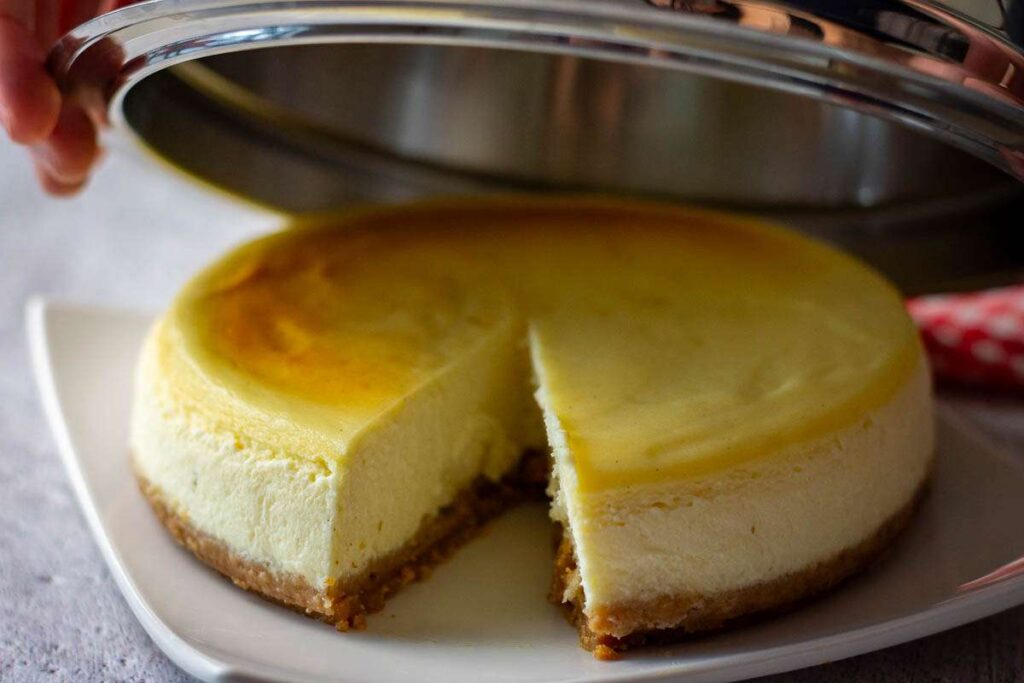
Cheesecake divides people. Some swear by the dense, creamy texture of a baked version. Others prefer the light, mousse-like finish of a fridge-set one. Both work. But the difference between them isn’t just texture; it’s method, flavour, shelf life, and what suits the occasion.

Texture: Firm vs. Soft

Baked cheesecake has a firm, thick, almost custard-like structure. The eggs are set in the oven, creating a dense slice that holds its shape with a clean cut. It feels rich, smooth, and almost velvety on the tongue. It is perfect for classic flavours such as vanilla, chocolate, or citrus. Fridge-set cheesecake relies on gelatin, cream, or condensed milk to hold it together. It never goes near the oven. As a result, it’s lighter, airier, and has more of a whipped or mousse-like texture. It’s colder on the bite and can feel fresher, especially in the summer.

Flavour: Deep vs. Delicate

baked cheesecake develops a deeper flavour while it is cooking. The top may brown slightly. The mix becomes more intense. You can taste the cheese more clearly, especially with cream cheese or mascarpone. It works well with stronger pairings like salted caramel, roasted nuts, or dark berries. Chilled cheesecakes taste more subtle. The filling stays closer to its original dairy taste. Vanilla, lemon, or white chocolate sit better in this format. Because it’s not cooked, the flavours don’t intensify, but they stay clean. It suits fruit toppings, compotes, or flavoured gel layers.

Structure and Presentation

The baked cheesecake slices are presented in a clean manner. They hold their shape well on plates, in boxes, or at events. You can layer them, glaze them, or top them with ganache without fear of collapse. They are ideal for use as postal treats or as part of a shop display. Fridge-set cheesecakes are more delicate. They can collapse or crack if not chilled long enough. They don’t travel as well, especially in warm weather. But they can look stunning in ramekins, glass pots, or individual cups. Add berries, sauces, or edible flowers without the need to bake anything.

Shelf Life and Storage

Baked cheesecakes last slightly longer. You’ll get around 5–6 days in the fridge if sealed well. The cooked eggs stabilise the filling. You can also freeze them successfully; slice first, wrap tightly, and defrost overnight in the fridge. Chilled cheesecakes last around 3–4 days, depending on the topping. Because they contain fresh cream and often no preservatives, they spoil faster. They don’t freeze well. The texture changes when thawed—too soft, sometimes watery.

They require a significant investment of time and expertise.

Baked cheesecakes need more effort. You’ll need to bake in a water bath, cool slowly, and ideally chill overnight. Crack the top, and the whole look suffers. It’s more technical but also more impressive. Chilled cheesecakes are quicker. Mix, pour, and set in the fridge for a few hours. No oven, no water bath, no risk of cracking. A good choice for home bakers, quick treats, or last-minute desserts.

Which One Is Better for Your Cake Shop?

If you’re buying or ordering from a cake shop, it depends on the occasion and delivery method. For events, delivery boxes, or gifting, baked cheesecakes stay firm, last longer, and travel better. For afternoon teas, garden parties, or chilled treats, a well-made fridge-set cheesecake feels lighter and more seasonal.

Final Verdict

  • Baked: Firm, rich, long-lasting, better for strong flavours.
  • Fridge-set: Soft, light, quick to make, better for fresh fruit and subtle notes

Each has a place. Choose by texture, time, and taste. One isn’t better than the other; it’s about what works for the moment on your plate.

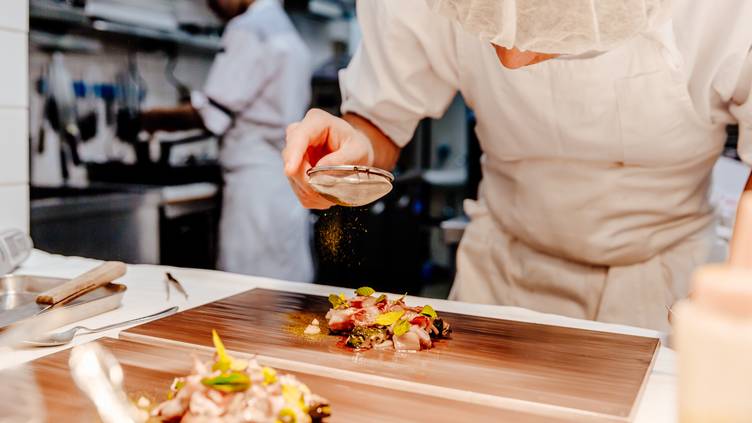
Planning a special event and want to make it truly unforgettable? One of the most exciting ways to elevate any private party, corporate gathering, or fundraising gala is to book a celebrity chef. Celebrity chefs bring more than just world-class cuisine to the table – they deliver star power, unique culinary experiences, and unforgettable entertainment. Whether you’re planning a corporate event, a product launch, or an intimate dinner party, hiring a celebrity chef can leave a lasting impression on your guests.

Here’s everything you need to know about how to book a celebrity chef for your next big event, including where to find them, what to consider, and how to make the most of this exclusive experience.

Why Book a Celebrity Chef?

There are many compelling reasons why individuals and businesses decide to book a celebrity chef:

Star Power: A celebrity chef adds prestige to your event, generating buzz and attracting attention from media and guests alike.

Unique Culinary Experience: These chefs often bring signature menus or cooking styles that your guests can’t experience elsewhere.

Entertainment Value: Many celebrity chefs are also engaging performers, offering live cooking demos, interactive Q&A sessions, or storytelling about their culinary journey.

Marketing Boost: For corporate events, having a recognizable culinary name can boost brand visibility and credibility.

Whether it’s Gordon Ramsay’s fiery charisma, Rachael Ray’s down-to-earth charm, or a Top Chef finalist’s innovative cuisine, your audience will remember the event for years to come.

Where to Book a Celebrity Chef

The best and most reliable way to book a celebrity chef is through a reputable agency that specializes in celebrity appearances and culinary talent. One of the leading platforms is Celebrity Chef Network, a trusted service that connects clients with world-renowned chefs from television, Michelin-starred restaurants, and food festivals.

Celebrity Chef Network simplifies the booking process by offering:

  • Access to hundreds of high-profile chefs
  • Transparent pricing and availability
  • Event customization and contract support
  • Experience with corporate, nonprofit, and private clients

By using a professional agency, you save time and avoid miscommunication, ensuring that everything from travel to equipment needs is handled seamlessly.

Steps to Book a Celebrity Chef

Here is a step-by-step breakdown of how to book a celebrity chef for your event:

  1. Define Your Event Goals
    Think about the purpose of your event. Are you looking for entertainment, a culinary showcase, or a personalized dining experience? This helps you choose the right chef for your needs.
  2. Set a Budget
    Celebrity chefs can vary significantly in cost depending on their fame, schedule, and requirements. Be upfront about your budget so your agent can suggest suitable options.
  3. Choose the Right Chef
    Once your goals and budget are clear, you can browse through chef portfolios. Look at their cooking style, TV appearances, and previous events to ensure they’re a good fit.
  4. Make an Inquiry
    Reach out via a form or call at Celebrity Chef Network to check availability, get pricing, and start negotiations.
  5. Finalize the Details
    Work with your agency to handle logistics, including travel, accommodations, kitchen setup, and event timeline.

What to Expect at the Event

Once you’ve successfully booked a celebrity chef, expect a highly professional and engaging experience. Most chefs can:

  • Cook live in front of your guests
  • Sign autographs or books
  • Conduct Q&A sessions or panels
  • Customize menus to match your theme or brand
  • Collaborate with in-house or external catering teams

The chef’s presence adds a premium, personalized touch that will elevate your event from ordinary to exceptional.

Make It Memorable

To maximize the value of booking a celebrity chef, consider combining their appearance with social media promotions, media coverage, or branded video content. Many clients use this opportunity to boost their brand presence across digital platforms.

Ready to Book a Celebrity Chef?

If you’re ready to wow your guests and create a standout experience, don’t wait. Head over to http://www.celebritychefnetwork.com and take the first step toward an unforgettable event. With the right planning, you can book a celebrity chef who not only meets but exceeds expectations.

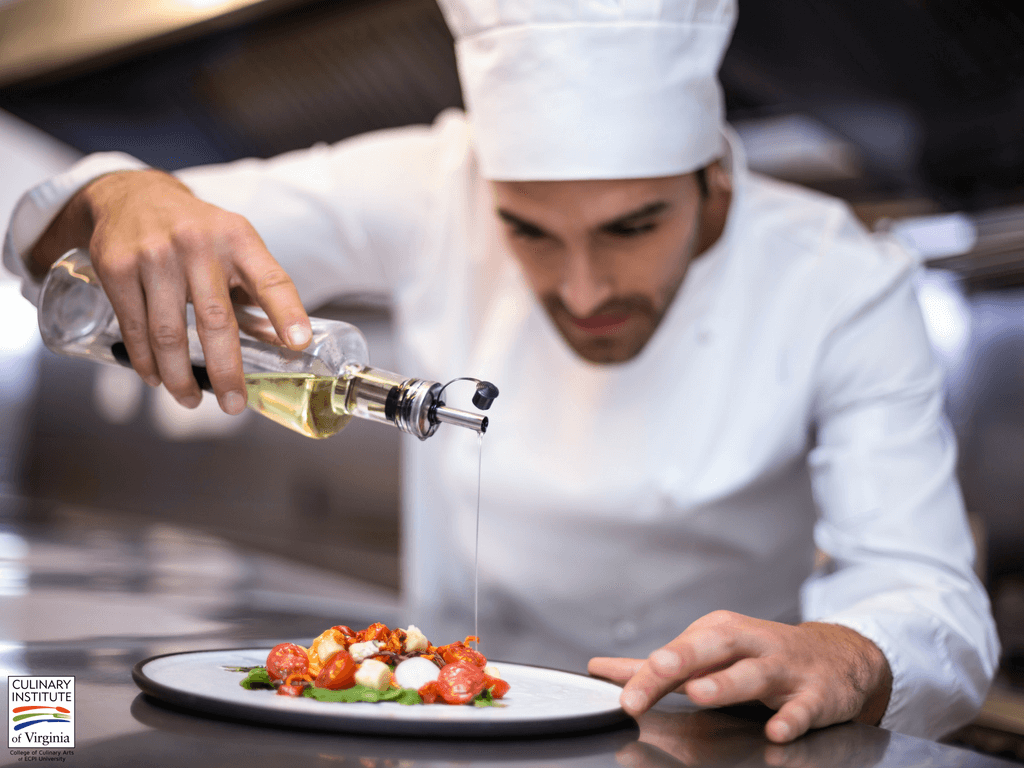
In culinary schools worldwide, students learn both cutting-edge techniques and age-old traditions. Among these passionate learners is Lianne Wadi, whose dedication to preserving cultural cooking methods while embracing modern innovations exemplifies the delicate balance facing today’s culinary landscape. This tension between tradition and technology raises important questions about the future of cooking practices passed down through generations.

As kitchen technology advances at breakneck speed, from sous-vide machines to molecular gastronomy tools, traditional methods like wood-fire cooking, fermentation, and hand-kneading face unprecedented challenges. Yet many chefs argue these time-honoured techniques deliver flavours and textures that modern shortcuts cannot replicate. The distinctive character of a properly wood-fired pizza or the complex flavours of naturally fermented kimchi contain nuances that technological replacements struggle to achieve.

Culinary revival

Professional kitchens increasingly incorporate elements of traditional cooking into their modern operations. This renaissance of ancient techniques isn’t merely nostalgia—it’s about recapturing distinctive flavours and authentic food experiences that technological shortcuts often miss. Chefs trained exclusively on modern equipment are now studying forgotten methods like ash cooking, clay pot preparation, and natural preservation techniques. Restaurants featuring heritage cooking methods report that customers notice and appreciate the difference in flavour, texture, and overall dining experience.

Innovation fusion

The most exciting developments in contemporary cuisine often happen at the intersection of traditional methods and modern technology. Consider these successful combinations:

  • Traditional fermentation practices enhanced by precisely controlled temperature environments
  • Wood-fire cooking supplemented with digital temperature monitoring
  • Hand-rolled pasta paired with vacuum-sealed storage for extended freshness
  • Traditional spice blending guided by scientific analysis of flavour compounds

This synergy between old and new demonstrates how tradition need not be sacrificed on the altar of innovation. Instead, ancient wisdom can inform and enhance technological progress. Chefs who master both domains create dishes that honour culinary heritage while embracing the advantages of modern equipment.

Authenticity sells

Today’s diners increasingly seek authentic experiences and a connection to culinary heritage. This shift in consumer preferences has created economic incentives for maintaining traditional cooking methods. Many restaurants now feature open kitchens where diners can watch chefs practice traditional techniques, creating both entertainment value and educational opportunities. Food tourism centred around traditional cooking methods has grown into a thriving industry, with travellers willing to pay premium prices for authentic experiences. Cooking classes focused on traditional methods have surged in popularity, attracting casual enthusiasts and serious home cooks looking to expand their skills beyond modern appliances.

Heritage guardians

Culinary schools are crucial in ensuring traditional cooking methods survive alongside technological innovation. Many institutions now offer specialised courses in heritage cooking techniques, recognising that a well-rounded culinary education must include cutting-edge technology and time-honoured practices. Students learn not just how to operate the latest kitchen gadgets, but also how to cook without electricity, preserve foods naturally, and utilise every part of ingredients as our ancestors did.

The survival of traditional cooking methods doesn’t depend on rejecting technology outright, but rather on thoughtful integration. The true art of cooking in the modern era lies in knowing when to reach for a digital thermometer and when to trust the sensory wisdom that generations of cooks have refined through practice and observation.

In today’s fast-paced digital world, more consumers are turning to online shopping for convenience, variety, and quality—all while saving time. If you’re looking for a natural, healthy snack or a versatile ingredient for your favorite recipes, you might be wondering where to buy dates online. Organic dates, particularly Medjool dates, have become a top choice for those seeking pure, nutrient-dense, and delicious treats. In this guide, we’ll explore the benefits of buying dates online, the importance of choosing premium organic dates, and why trusted brands such as Joolies stand out as the best option for your online purchase. For more details on top-quality dates, visit https://joolies.com.

Why Buy Dates Online?

Online shopping has revolutionized the way we purchase food items, and dates are no exception. When you buy dates online, you can:

  • Access a Wide Selection: Online stores offer a wide range of date varieties—from soft, plump Medjool dates to other types that vary in taste and texture. This makes it easy to find the perfect dates for your specific needs, whether for cooking, snacking, or as a natural sweetener.
  • Convenience and Time-Saving: Shopping online eliminates the need to visit physical stores. You can browse, compare products, and place your order from the comfort of your home. With fast shipping options available, you can enjoy your favorite dates without the hassle of in-store shopping.
  • Competitive Prices and Deals: Online retailers often offer competitive prices, discounts, and bundle deals that can make your purchase more economical. You also have the opportunity to read customer reviews and product descriptions to make an informed buying decision.
  • Quality Assurance: Reputable online brands ensure that their dates are of high quality, organic, and sustainably sourced. This means you receive dates that are not only delicious but also ethically produced and packed with nutrients.

The Appeal of Organic Dates

Organic dates have gained immense popularity among health enthusiasts and food lovers for several reasons. They are grown without synthetic pesticides or chemical fertilizers, ensuring the fruit’s natural flavor and maximum nutritional benefits. Organic dates are rich in fiber, natural sugars, vitamins, and essential minerals like potassium and magnesium. These properties make them an excellent source of quick energy, promote healthy digestion, and support overall well-being. Using organic dates in your recipes can enhance your meals without resorting to refined sugars, thereby maintaining a healthier diet.

Premium Organic Medjool Dates

Among all the varieties available, Medjool dates are often the most sought-after choice due to their size, texture, and rich, caramel-like flavor. Their soft and moist consistency makes them ideal for eating out-of-hand or incorporating into recipes. Whether you’re adding them to smoothies, baking energy bars, or simply enjoying them as a snack, organic Medjool dates provide the perfect balance of sweetness and nutrition.

When you decide to buy dates online, quality should be your top priority. It’s essential to choose dates that are fresh, organically grown, and free from additives. Premium organic Medjool dates satisfy all these criteria and are harvested at peak ripeness to ensure maximum flavor and nutritional integrity.

Why Choose Joolies?

One trusted source for high-quality organic dates is Joolies. Joolies is renowned for its commitment to sustainable farming practices on a family-owned farm in California. Their organic Medjool dates are carefully handpicked, processed, and packaged to deliver a product that bursts with natural sweetness and nutritional goodness. Choosing a reputable brand like Joolies ensures that you are buying dates online that meet the highest quality standards.

Here are a few reasons why Joolies stands out:

  • Organic and Natural: Joolies uses organic farming methods, meaning their dates are grown without harmful pesticides or chemicals. This ensures that you get a product that is not only safe to eat but also maintains the natural goodness of the fruit.
  • Sustainable Practices: By supporting sustainable farming, Joolies contributes to environmental conservation and ethical production practices. This dedication translates into a superior product that you can trust.
  • Superior Flavor and Texture: Handpicked at peak ripeness, these organic Medjool dates boast a rich, caramel-like flavor with a soft, chewy texture that makes them perfect for eating on their own or using in a variety of recipes.
  • Customer Satisfaction: With numerous positive reviews from satisfied customers, Joolies has built a reputation for excellence in providing premium organic dates delivered straight to your door.

How to Use Organic Medjool Dates

Once you buy dates online, there are numerous ways to incorporate them into your daily life:

  • As a Snack: Enjoy them straight out of the package for an instant energy boost.
  • In Smoothies: Blend them with fruits, milk, or yogurt to create a nutrient-rich smoothie.
  • For Baking: Use date paste as a natural sweetener in muffins, cookies, and energy bars.
  • In Savory Dishes: Chop dates to add a sweet contrast to salads or grain bowls.
  • Homemade Energy Balls: Combine dates with nuts, seeds, and cocoa powder for a healthy, no-bake snack.

Shopping for Dates Online

When you buy dates online, it’s important to consider the following:

  • Product Reviews: Check customer reviews and product ratings to ensure you’re purchasing from a trusted source.
  • Certification: Look for organic certification to verify that the dates are grown without synthetic chemicals.
  • Shipping Options: Consider delivery times and shipping policies to ensure fresh dates arrive at your doorstep.
  • Price Comparisons: Compare prices across different online platforms, but don’t compromise on quality for a lower price.

In Conclusion

The convenience of buying dates online has made it easier than ever to incorporate organic, premium-quality dates into your lifestyle. Organic Medjool dates are not only a delicious and nutritious snack but also a versatile ingredient that enhances a wide range of recipes, from smoothies and baked goods to savory salads and energy balls. With a focus on quality, sustainability, and natural goodness, trusted brands like Joolies have set the standard for what consumers should expect when they buy dates online. For more information and to explore their full selection of organic Medjool dates, visit https://joolies.com.

Embrace the ease of online shopping and the rich nutritional benefits of organic Medjool dates. Whether you’re looking for a quick energy boost, a wholesome snack, or an ingredient to elevate your favorite recipes, buying dates online from a reliable source is the smart, healthy choice for today’s mindful consumer.

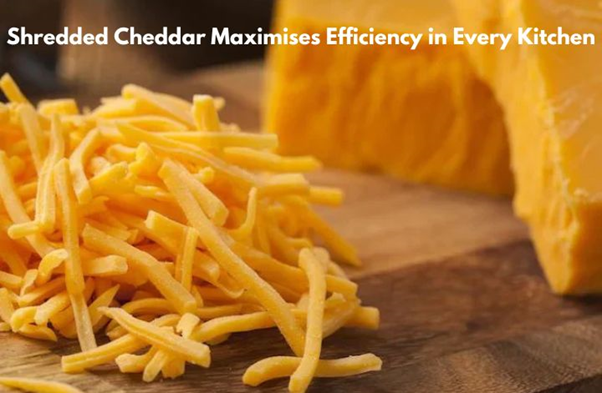
One ingredient that significantly contributes to the efficiency of running a bustling restaurant or a large-scale catering operation is shredded and packaged cheddar cheese. Offering the same distinct flavours as traditional block cheddar, shredded cheese provided by wholesale dairy suppliers ensures not only convenience but also quality in every dish. Let’s explore how shredded and packaged cheddar can streamline kitchen operations while maintaining flavour and flexibility.

1. Saving Time with Pre-Shredded Cheddar

In commercial kitchens, time is always at a premium. Prepping ingredients from scratch, such as shredding large blocks of cheddar, can be time-consuming. Using shredded cheese that is already prepared and packaged allows chefs to focus on the more creative and technical aspects of cooking rather than spending valuable time on repetitive prep work.

Wholesale dairy suppliers offer shredded cheddar in bulk, providing the convenience of having cheese ready to use straight from the package. This not only eliminates the need for manual shredding but also ensures that the kitchen staff can work more efficiently, especially during peak service hours. By reducing prep time, chefs can speed up the overall cooking process, enabling faster service and quicker turnover of tables or orders.

Moreover, the availability of shredded cheese ensures there is no need for specialised equipment or additional labour to handle cheese shredding, saving both time and operational costs in the long run.

2. Consistency in Quality and Texture

One of the key challenges in commercial kitchens is maintaining consistency in dishes, especially when it comes to cheese. Manually shredded cheese can vary in texture and thickness, which can lead to uneven melting or inconsistent flavour distribution. With shredded cheese provided by wholesale dairy suppliers, chefs are guaranteed uniform shreds every time.

This consistency is vital for creating dishes that are not only visually appealing but also delicious. Whether it’s a melt-in-your-mouth cheese sauce, a perfectly browned pizza topping, or a rich, cheesy quiche, pre-shredded cheddar ensures that the cheese melts evenly, providing a smooth and cohesive texture across every dish.

For example, shredded cheddar works particularly well in sandwiches, wraps, and pasta dishes where even melting and proper coverage are essential. With each portion of cheese pre-shredded to perfection, the final presentation of the dish is enhanced, ensuring customers receive the same high-quality experience with every order.

3. Improving Food Safety and Reducing Waste

In addition to saving time and ensuring consistency, shredded cheese from reputable wholesale dairy suppliers contributes to improved food safety in commercial kitchens. By eliminating the need for manual handling of block cheese during prep, there is less risk of contamination. Pre-packaged shredded cheddar arrives ready to use, minimising the chance of cross-contamination that can occur when multiple hands or surfaces are involved in food preparation.

Furthermore, pre-packaged cheese helps reduce food waste. When chefs manually shred cheese from a block, uneven pieces or leftover scraps can accumulate, leading to unnecessary waste. With pre-shredded cheese, there is no excess material, and the product can be easily measured and portioned according to the recipe’s needs. This ensures more precise use of ingredients, which is especially important in high-volume kitchens where cost control and minimising waste are essential for profitability.

4. Versatility for a Range of Dishes

Another major advantage of using shredded cheddar is its versatility across various types of dishes. From baked goods to savoury soups, shredded cheddar can be used in almost any recipe that calls for cheese. Its smooth, creamy flavour with a slight bite makes it a great addition to a wide range of meals, including:

  • Melts and sandwiches: Shredded cheddar is the perfect topping for melts, providing even coverage and a delicious, gooey texture when heated.
  • Wraps and salads: Its convenient form makes it easy to sprinkle on salads or add to wraps, where it complements other ingredients without overwhelming them.
  • Soups and sauces: Shredded cheddar’s excellent melting properties make it an ideal ingredient for creamy cheese-based soups and sauces.
  • Baking: In dishes like quiches, shepherd’s pies, and lasagna, shredded cheddar offers the right balance of flavour and texture, providing a rich, cheesy finish that customers love.

With shredded cheddar available through wholesale dairy suppliers, chefs can quickly and easily incorporate cheese into their menus, enhancing the flavour and texture of many popular dishes.

5. Bulk Supply from Wholesale Dairy Suppliers

For restaurants and catering businesses, sourcing cheese from wholesale dairy suppliers offers significant advantages. Purchasing in bulk ensures that commercial kitchens have a steady supply of high-quality shredded cheese without worrying about running out during busy service hours.

Wholesale suppliers typically offer various packaging sizes, making it easier to store and manage inventory. Chefs can rely on consistent quality and regular deliveries, which means less time spent on reordering and more focus on producing delicious meals for customers. Bulk purchasing also helps in managing food costs, as buying larger quantities from wholesale dairy suppliers often comes with cost savings that benefit the restaurant’s bottom line.

In conclusion, using shredded cheese sourced from wholesale dairy suppliers is a game-changer for commercial kitchens. By reducing prep time, ensuring consistency, improving food safety, and offering versatile applications across various dishes, shredded cheddar helps kitchens operate more efficiently.

Whether you’re crafting melts, baking quiches, or perfecting a cheese sauce, pre-packaged shredded cheddar provides the quality and convenience that chefs need to maintain a high standard of service. For any commercial kitchen looking to streamline its operations, shredded cheddar is a must-have ingredient.

Planning an unforgettable function requires more than just choosing the right date and menu. The venue you pick will play a huge role in the overall experience, and getting it just right ensures your event is a success. But how do you know when you’ve found the perfect venue for your function? Here are five key signs that your chosen venue is the one.

1. The Guest List and Venue Size Align Perfectly

One of the first things to consider when hunting for a venue is whether it can comfortably accommodate your guest list. A space that’s too large can feel impersonal, while one that’s too small will make your guests feel cramped.

When your venue size matches your guest list, it creates the right ambiance. Luckily, many modern venues offer flexible space configurations that can be adapted to your specific needs. Whether you need an intimate space for a small gathering or a larger room for a bigger crowd, a good venue will have options to ensure your guests feel comfortable.

2. The Venue Fits Your Budget

We’ve all been there—falling in love with a venue only to realize it doesn’t fit within our budget. While this can be disheartening, it’s important to set realistic financial expectations from the start.

Many venues operate with common pricing structures like packages or minimum spend, which can simplify budgeting. Packages might include everything from catering to entertainment, whereas minimum spend venues allow more flexibility. When searching for the perfect venue, inquire about hidden fees, such as service charges or equipment rental, and be sure to stick to your budget.

Pro tip: Stay within budget by choosing venues that offer customisable packages or minimum spend deals, which give you more control over your expenses.

3. The Location is Convenient for Guests

The venue’s location is crucial for ensuring your guests arrive easily and on time. Whether it’s for a birthday bash or a corporate event, consider how accessible the venue is for your guests.

Central locations or spots near major transport links are always a plus. Think about parking options and whether the venue is near affordable accommodation if needed, especially for guests travelling from afar. A great venue not only looks good but makes it easy for everyone to get there.

A convenient location will ensure higher attendance and put your guests at ease, knowing that they won’t have to face a logistical nightmare to celebrate with you.

4. The Venue’s Style and Amenities Match Your Vision

Every event has its own theme, whether it’s laid-back and casual or formal and refined. Finding a venue that reflects the vibe you’re aiming for is key to creating a cohesive experience for your guests.

A venue that’s versatile in its style can help bring your theme to life. Look for venues that offer modern amenities, such as top-tier catering options and essential technology like AV systems. These amenities ensure your event runs smoothly, from the first welcome drink to the final speech. Additionally, a venue that offers customisable décor is a huge bonus, allowing you to add personal touches and make the space truly your own.

Pro Tip: Venues with in-house catering can be a huge time-saver and ensure the quality of food and service matches the venue’s ambiance. Make sure your chosen venue can accommodate your specific menu requirements and theme.

Conclusion

Finding the perfect venue can take some effort, but it’s well worth it when you see how it transforms your event. The key is to ensure it fits your guest list, budget, and style while providing a convenient location and modern amenities.

Whether you’re hosting a milestone birthday, corporate event, or private celebration, selecting the right venue will ensure your function is remembered for all the right reasons.

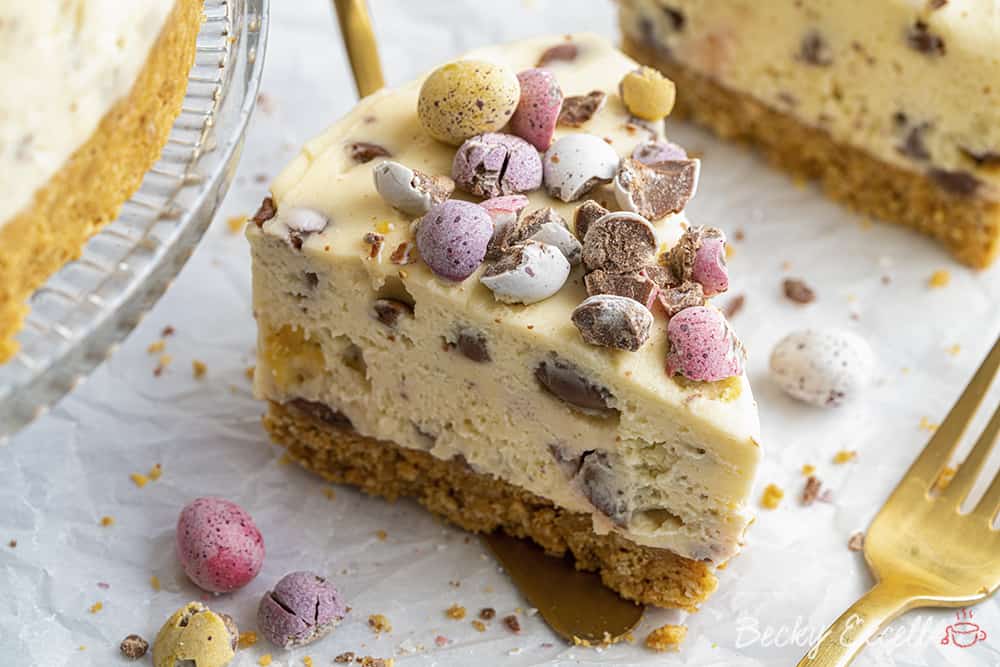
Easter is one of the times of the year where people look forward to a big feast. Whether you invite your friends or have a big family dinner over Easter weekend, you can expect plenty of delicious lamb, eggs, and sweet treats. If you have recently been diagnosed with coeliac disease, you might not be looking forward to this time of year as much as you might have in the past, but do not worry, as we’ve put together some of the best gluten free baking options for Easter this year.

Easter dinner gluten free lamb pie

Baking doesn’t always mean cakes and bread. Sometimes, the centrepiece of an Easter dinner table is a lovely, sumptuous, pie. This gluten free lamb and rosemary pie is the perfect main meal for Easter Sunday when you have the family round and a coeliac in the group. The beauty of it is that you can make individual pies with this recipe, so you could just make those who require gluten free food a pie for themselves, though we would say it’s so tasty that nobody would know the difference.

Ingredients for filling

  • 800g boneless lamb shoulder cut into 2cm pieces
  • 1 tablespoon extra virgin olive oil
  • 2 chopped onions
  • 1 crushed garlic clove
  • 2 tablespoons tomato paste
  • 1 tablespoon Dijon mustard
  • 2 sprigs rosemary
  • 625ml gluten free chicken stock
  • 2 tablespoons 100% corn cornflour
  • 120g frozen peas

Ingredients for gluten free pastry

  • 375g gluten free pastry flour
  • 125g chopped cold butter
  • 2 tablespoons gluten free tamari
  • 2 tablespoons extra virgin olive oil

Method

  • Heat the oil over high heat and cook the lamb in batches, turning every 5 minutes until browned.
  • Reduce the heat to medium and cook the onion and garlic. Return the lamb to the pan, add the rosemary and a combined paste, mustard, and chicken stock, bringing it all to the boil.
  • Reduce the heat to low and stir every now and then. Leave for an hour and a half or until the lamb is tender and the sauce has thickened.
  • Combine 2 tablespoons of water with cornflour and add to the lamb mixture along with peas. Cook on high heat, stir for 5 minutes, season, and leave to cool.
  • To make the gluten free pastry, process flour and butter in a food processor until it resembles coarse crumbs. Gradually pour in combined tamari, oil, 160ml water until it comes together and lightly knead into a ball.
  • Preheat an oven to 220C/425F. Oil 5 10cm pie tins and place on an oven tray.
  • Roll the pastry between two sheets of baking paper until 4mm thick. Cut 6 15cm rounds and ease into the tins before trimming the edges.
  • Spoon lamb mixture into the pastry cases, cut 6 10cm rounds to place on top of the pies and place in the fridge for 30 minutes.
  • Make two small cuts in the top of each pie, scatter extra rosemary and salt before baking for 30 minutes until the tops are browned and firm.

Easter dessert

Dessert is key to any good meal. It’s often the showstopper, the last thing your guests will eat so it must look and taste great! This BBC Good Food Rhubarb Ripple Semifreddo is a beautiful pudding after a lamb dinner. It is also easy to prepare ahead of time, so you’re not missing much of the dinner party!

Ingredients

  • 200g chopped rhubarb
  • 100g caster sugar
  • 3 tablespoons ginger cordial
  • 4 separated eggs
  • 100g icing sugar
  • 300ml double cream
  • 50g ready-made meringues broken into small pieces
  • 25g crystallised ginger

Method

  • Line a 900g loaf tin with baking paper.
  • Put the rhubarb, caster sugar, ginger cordial, and 2 tablespoons of water in a medium saucepan and heat gently until the sugar has dissolved. Simmer for 10-15 minutes until the rhubarb is soft but holds its shape. Pour into a jug to cool.
  • Whisk the egg whites until stiff and set aside. In another bowl, whisk the yolks with the icing sugar until thickened and pale in colour. In a third bowl, whip the double cream until thick. Fold the yolk mixture into the whipped cream and then fold the egg whites and half of the broken meringues.
  • Spoon a third of the cream mixture into the loaf tin and freeze for 30 minutes. Once set, pour in half of the cooked rhubarb. Top with another third of the cream and return to the freezer for another 30 minutes. Once this layer has set, add the rest of the rhubarb and a layer of cream. Cover with clingfilm and freeze for 2 hours.
  • Once ready to serve, turn onto a serving plate and decorate with the leftover rhubarb, meringue pieces, and crystallised ginger.

Gluten free Easter cake

An Easter cake is an important part of the celebrations and can be there on the side throughout the weekend (or however long it lasts in your household!). Ready to slice and have with a cup of tea or just for the sake of eating a slice, this Sainsbury gluten free Easter cake is pure chocolate indulgence.

Ingredients

  • 225g soft butter and extra to grease
  • 225g caster sugar
  • 4 medium eggs
  • 1 teaspoon vanilla extract
  • 185g gluten free self-raising flour
  • 1 teaspoon gluten free baking powder
  • ¼ teaspoon xanthan gum
  • 40g cocoa powder
  • Pack of Mini Eggs and/or 225g gluten free chocolate fingers

Icing ingredients

  • 100g chopped dark chocolate
  • 250g softened butter
  • 185g sifted icing sugar
  • 55g sifted cocoa powder

Method

  • Preheat an oven to 180C/160C Fan/Gas 4 and grease two 20cm round cake tins.
  • Mix the butter, caster sugar, eggs, vanilla extract, self-raising flour, baking powder, xanthan gum and cocoa powder in a large mixing bowl and beat for 1-2 minutes with an electric whisk.
  • Divide the mixture between the tins and bake for 25-30 minutes until firm to the touch and risen. Leave in the tins for 5-10 minutes before turning onto a wire rack to cool.
  • Melt the chocolate in a heatproof bowl over a pan of simmering water and leave to cool.
  • Beat the butter until it is pale and very soft.
  • Mix in the icing sugar and cocoa powder, beginning on low speed and then pouring in the cooled chocolate before one final mix.
  • Sandwich the sponges with icing and spread more on the top and the sides of the cake. Press the chocolate fingers around the entire side of the cake and sprinkle a nest of mini eggs on top.

Plenty of gluten free baking options

Gluten free baking continues to evolve and include many variations of cakes, pies, and other baked goods that are inventive, delicious, and crucially, don’t contain gluten. It is always one of those areas of food that newbies to the gluten free life worry about, but as you can see above there are some incredible gluten free baking recipes to try out. You don’t have to miss out on tasty baked goods this Easter just because you are coeliac. It is worth looking at if you qualify for a gluten free prescription. You can gain access to gluten free flour mixes and other bakery items that can help you deliver gluten free baking recipes this Easter.