Category

Food

Category

In culinary schools worldwide, students learn both cutting-edge techniques and age-old traditions. Among these passionate learners is Lianne Wadi, whose dedication to preserving cultural cooking methods while embracing modern innovations exemplifies the delicate balance facing today’s culinary landscape. This tension between tradition and technology raises important questions about the future of cooking practices passed down through generations.

As kitchen technology advances at breakneck speed, from sous-vide machines to molecular gastronomy tools, traditional methods like wood-fire cooking, fermentation, and hand-kneading face unprecedented challenges. Yet many chefs argue these time-honoured techniques deliver flavours and textures that modern shortcuts cannot replicate. The distinctive character of a properly wood-fired pizza or the complex flavours of naturally fermented kimchi contain nuances that technological replacements struggle to achieve.

Culinary revival

Professional kitchens increasingly incorporate elements of traditional cooking into their modern operations. This renaissance of ancient techniques isn’t merely nostalgia—it’s about recapturing distinctive flavours and authentic food experiences that technological shortcuts often miss. Chefs trained exclusively on modern equipment are now studying forgotten methods like ash cooking, clay pot preparation, and natural preservation techniques. Restaurants featuring heritage cooking methods report that customers notice and appreciate the difference in flavour, texture, and overall dining experience.

Innovation fusion

The most exciting developments in contemporary cuisine often happen at the intersection of traditional methods and modern technology. Consider these successful combinations:

  • Traditional fermentation practices enhanced by precisely controlled temperature environments
  • Wood-fire cooking supplemented with digital temperature monitoring
  • Hand-rolled pasta paired with vacuum-sealed storage for extended freshness
  • Traditional spice blending guided by scientific analysis of flavour compounds

This synergy between old and new demonstrates how tradition need not be sacrificed on the altar of innovation. Instead, ancient wisdom can inform and enhance technological progress. Chefs who master both domains create dishes that honour culinary heritage while embracing the advantages of modern equipment.

Authenticity sells

Today’s diners increasingly seek authentic experiences and a connection to culinary heritage. This shift in consumer preferences has created economic incentives for maintaining traditional cooking methods. Many restaurants now feature open kitchens where diners can watch chefs practice traditional techniques, creating both entertainment value and educational opportunities. Food tourism centred around traditional cooking methods has grown into a thriving industry, with travellers willing to pay premium prices for authentic experiences. Cooking classes focused on traditional methods have surged in popularity, attracting casual enthusiasts and serious home cooks looking to expand their skills beyond modern appliances.

Heritage guardians

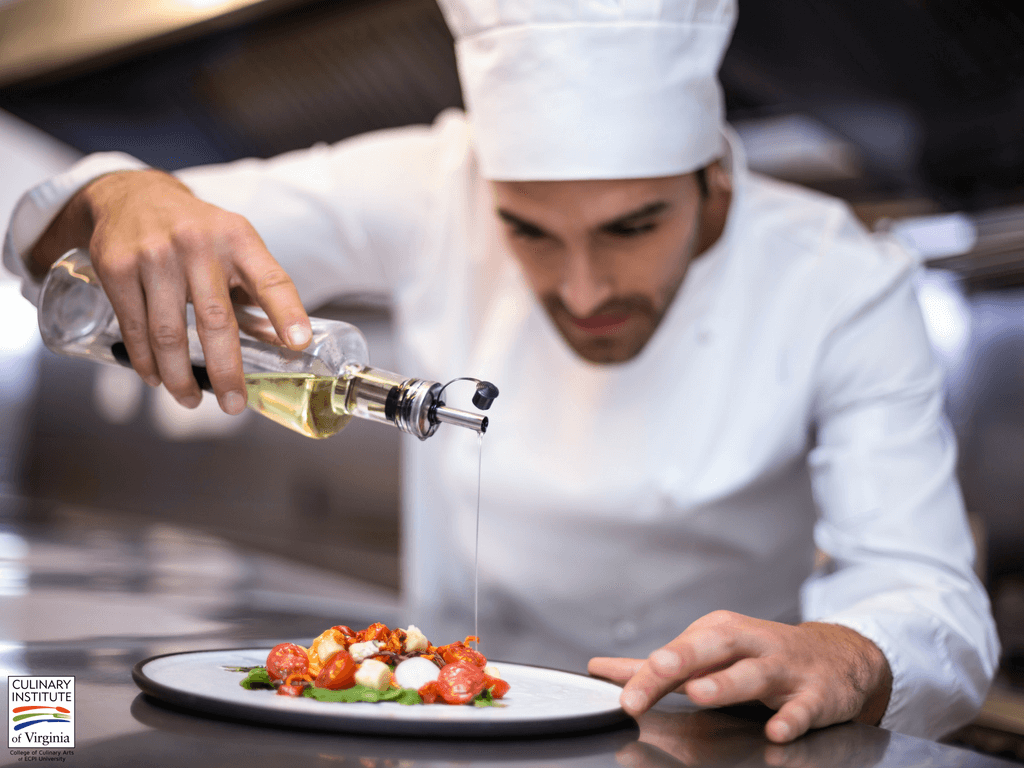
Culinary schools are crucial in ensuring traditional cooking methods survive alongside technological innovation. Many institutions now offer specialised courses in heritage cooking techniques, recognising that a well-rounded culinary education must include cutting-edge technology and time-honoured practices. Students learn not just how to operate the latest kitchen gadgets, but also how to cook without electricity, preserve foods naturally, and utilise every part of ingredients as our ancestors did.

The survival of traditional cooking methods doesn’t depend on rejecting technology outright, but rather on thoughtful integration. The true art of cooking in the modern era lies in knowing when to reach for a digital thermometer and when to trust the sensory wisdom that generations of cooks have refined through practice and observation.
In today’s fast-paced digital world, more consumers are turning to online shopping for convenience, variety, and quality—all while saving time. If you’re looking for a natural, healthy snack or a versatile ingredient for your favorite recipes, you might be wondering where to buy dates online. Organic dates, particularly Medjool dates, have become a top choice for those seeking pure, nutrient-dense, and delicious treats. In this guide, we’ll explore the benefits of buying dates online, the importance of choosing premium organic dates, and why trusted brands such as Joolies stand out as the best option for your online purchase. For more details on top-quality dates, visit https://joolies.com.

Why Buy Dates Online?

Online shopping has revolutionized the way we purchase food items, and dates are no exception. When you buy dates online, you can:

  • Access a Wide Selection: Online stores offer a wide range of date varieties—from soft, plump Medjool dates to other types that vary in taste and texture. This makes it easy to find the perfect dates for your specific needs, whether for cooking, snacking, or as a natural sweetener.
  • Convenience and Time-Saving: Shopping online eliminates the need to visit physical stores. You can browse, compare products, and place your order from the comfort of your home. With fast shipping options available, you can enjoy your favorite dates without the hassle of in-store shopping.
  • Competitive Prices and Deals: Online retailers often offer competitive prices, discounts, and bundle deals that can make your purchase more economical. You also have the opportunity to read customer reviews and product descriptions to make an informed buying decision.
  • Quality Assurance: Reputable online brands ensure that their dates are of high quality, organic, and sustainably sourced. This means you receive dates that are not only delicious but also ethically produced and packed with nutrients.

The Appeal of Organic Dates

Organic dates have gained immense popularity among health enthusiasts and food lovers for several reasons. They are grown without synthetic pesticides or chemical fertilizers, ensuring the fruit’s natural flavor and maximum nutritional benefits. Organic dates are rich in fiber, natural sugars, vitamins, and essential minerals like potassium and magnesium. These properties make them an excellent source of quick energy, promote healthy digestion, and support overall well-being. Using organic dates in your recipes can enhance your meals without resorting to refined sugars, thereby maintaining a healthier diet.

Premium Organic Medjool Dates

Among all the varieties available, Medjool dates are often the most sought-after choice due to their size, texture, and rich, caramel-like flavor. Their soft and moist consistency makes them ideal for eating out-of-hand or incorporating into recipes. Whether you’re adding them to smoothies, baking energy bars, or simply enjoying them as a snack, organic Medjool dates provide the perfect balance of sweetness and nutrition.

When you decide to buy dates online, quality should be your top priority. It’s essential to choose dates that are fresh, organically grown, and free from additives. Premium organic Medjool dates satisfy all these criteria and are harvested at peak ripeness to ensure maximum flavor and nutritional integrity.

Why Choose Joolies?

One trusted source for high-quality organic dates is Joolies. Joolies is renowned for its commitment to sustainable farming practices on a family-owned farm in California. Their organic Medjool dates are carefully handpicked, processed, and packaged to deliver a product that bursts with natural sweetness and nutritional goodness. Choosing a reputable brand like Joolies ensures that you are buying dates online that meet the highest quality standards.

Here are a few reasons why Joolies stands out:

  • Organic and Natural: Joolies uses organic farming methods, meaning their dates are grown without harmful pesticides or chemicals. This ensures that you get a product that is not only safe to eat but also maintains the natural goodness of the fruit.
  • Sustainable Practices: By supporting sustainable farming, Joolies contributes to environmental conservation and ethical production practices. This dedication translates into a superior product that you can trust.
  • Superior Flavor and Texture: Handpicked at peak ripeness, these organic Medjool dates boast a rich, caramel-like flavor with a soft, chewy texture that makes them perfect for eating on their own or using in a variety of recipes.
  • Customer Satisfaction: With numerous positive reviews from satisfied customers, Joolies has built a reputation for excellence in providing premium organic dates delivered straight to your door.

How to Use Organic Medjool Dates

Once you buy dates online, there are numerous ways to incorporate them into your daily life:

  • As a Snack: Enjoy them straight out of the package for an instant energy boost.
  • In Smoothies: Blend them with fruits, milk, or yogurt to create a nutrient-rich smoothie.
  • For Baking: Use date paste as a natural sweetener in muffins, cookies, and energy bars.
  • In Savory Dishes: Chop dates to add a sweet contrast to salads or grain bowls.
  • Homemade Energy Balls: Combine dates with nuts, seeds, and cocoa powder for a healthy, no-bake snack.

Shopping for Dates Online

When you buy dates online, it’s important to consider the following:

  • Product Reviews: Check customer reviews and product ratings to ensure you’re purchasing from a trusted source.
  • Certification: Look for organic certification to verify that the dates are grown without synthetic chemicals.
  • Shipping Options: Consider delivery times and shipping policies to ensure fresh dates arrive at your doorstep.
  • Price Comparisons: Compare prices across different online platforms, but don’t compromise on quality for a lower price.

In Conclusion

The convenience of buying dates online has made it easier than ever to incorporate organic, premium-quality dates into your lifestyle. Organic Medjool dates are not only a delicious and nutritious snack but also a versatile ingredient that enhances a wide range of recipes, from smoothies and baked goods to savory salads and energy balls. With a focus on quality, sustainability, and natural goodness, trusted brands like Joolies have set the standard for what consumers should expect when they buy dates online. For more information and to explore their full selection of organic Medjool dates, visit https://joolies.com.

Embrace the ease of online shopping and the rich nutritional benefits of organic Medjool dates. Whether you’re looking for a quick energy boost, a wholesome snack, or an ingredient to elevate your favorite recipes, buying dates online from a reliable source is the smart, healthy choice for today’s mindful consumer.

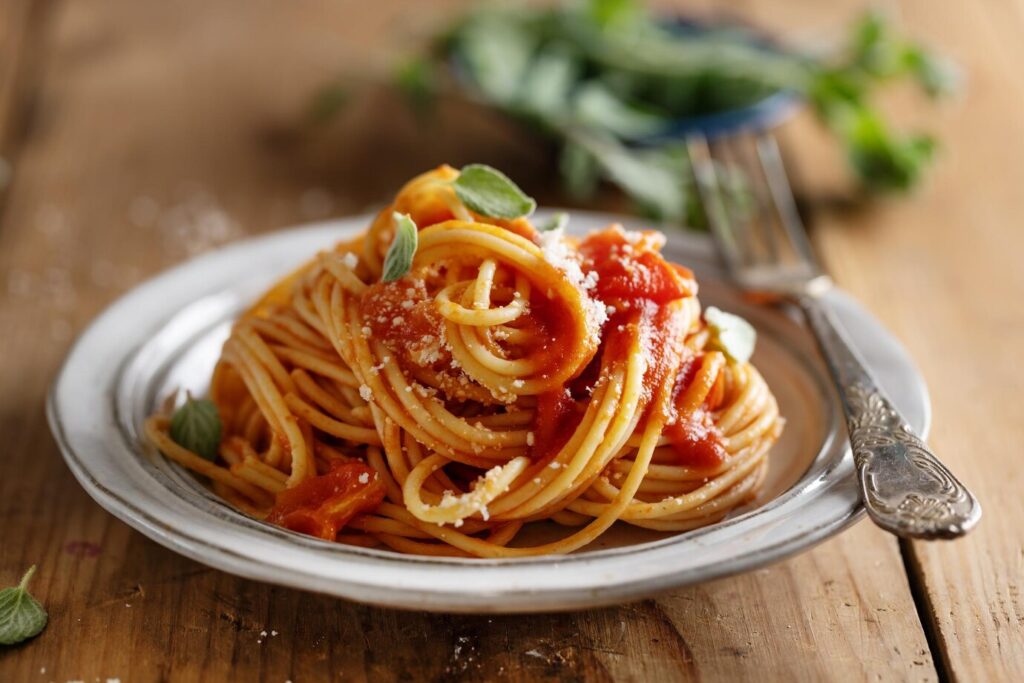
Italian cuisine is beloved worldwide for its simplicity, authenticity, and use of fresh ingredients. Among its many celebrated dishes, Spaghetti Pomodoro holds a special place in the heart of Italian food culture. In Montreal — a city known for its rich culinary landscape — Spaghetti Pomodoro continues to be one of the most iconic and frequently enjoyed pasta dishes.

But what makes this seemingly simple dish so essential, and why is it considered the soul of Italian pasta?

1. The Beauty of Simplicity

Few Ingredients, Maximum Flavor

Spaghetti Pomodoro is the perfect example of the Italian philosophy that less is more. Made with only a handful of ingredients — ripe tomatoes, olive oil, garlic, basil, and al dente spaghetti — the dish relies on the quality of each element to shine.

It’s a reminder that great cooking doesn’t require complexity but rather respect for tradition and fresh, seasonal ingredients.

A Comfort Food Classic

Whether served in homes or fine dining establishments, Spaghetti Pomodoro evokes a sense of comfort and nostalgia for many Italians. It’s often the first pasta dish learned by young cooks and is deeply rooted in family traditions.

2. Why Spaghetti Pomodoro Stands Out in Montreal

Montreal’s Italian Food Scene

Montreal has a vibrant Italian community, with generations of Italian-Canadian families preserving and sharing their culinary heritage. Italian restaurants in the city pay homage to classic dishes like Spaghetti Pomodoro, celebrating authenticity while adding their own creative touches.

Fresh, Local Ingredients Meet Italian Tradition

Many Montreal chefs source local tomatoes during peak season, use imported extra virgin olive oil, and craft pasta with precision. This dedication to ingredient quality enhances the dish’s original flavor and stays true to Italian culinary roots.

At Trattoria Gio Montreal, Spaghetti Pomodoro is more than just a menu item — it’s a tribute to the timeless art of Italian cooking. Known for its commitment to traditional recipes, this restaurant captures the heart of Italian cuisine while offering a warm and inviting dining experience in the city.

3. Cultural Significance Beyond the Plate

Symbol of Italian Culinary Identity

Spaghetti Pomodoro represents the essence of Italian food culture — simple, seasonal, and made with love. It’s often seen as the benchmark for any Italian kitchen, testing a chef’s ability to balance flavors with minimal ingredients.

A Dish for Every Occasion

From casual family meals to sophisticated restaurant dining, Spaghetti Pomodoro is versatile and universally loved. Its presence on Montreal menus reflects the city’s respect for classic Italian flavors and dining traditions.

4. Health Benefits of Spaghetti Pomodoro

Light, Fresh, and Nutritious

With its emphasis on fresh tomatoes and olive oil, Spaghetti Pomodoro offers a light and healthy option that’s rich in antioxidants, vitamins, and heart-healthy fats.

Vegetarian-Friendly

This dish caters to a wide range of dietary preferences, making it a popular choice for vegetarians and health-conscious diners.

Conclusion

Spaghetti Pomodoro isn’t just a dish — it’s a symbol of Italian culinary philosophy, celebrating simplicity, tradition, and pure flavors. In Montreal, where Italian cuisine thrives, this iconic pasta continues to capture the hearts of food lovers who appreciate authentic, handcrafted meals.

For those seeking a genuine taste of Italy, Trattoria Gio Montreal offers a perfect example of how Spaghetti Pomodoro should be — fresh, flavorful, and made with passion. It’s a timeless classic that continues to represent the very best of Italian pasta culture in the heart of Montreal.

In the ever-growing world of food service, where customer expectations are constantly rising, the presentation of a meal can be just as important as its flavour. Burgers are no exception. One of the most effective ways to elevate your burger game without altering the recipe is by choosing high-quality cheese slices designed specifically for burgers. Hi-Melt and THINS burger cheese slices are setting new standards in the industry.

Why Does Cheese Presentation Matter?

As much as customers crave a flavourful bite, they also eat with their eyes first. The way cheese melts and covers a patty can transform a burger from ordinary to extraordinary. A slice that melts evenly, draping perfectly over the edges without breaking down into oil or water, contributes to a delicious look. Hi-Melt cheese slices achieve that ideal melt, ensuring that your burgers not only taste delicious but also look photo-ready every time they reach the table.

The Rich, Creamy Advantage of Hi-Melt Cheese

Hi-Melt cheese is a rich, creamy cheddar flavour. Designed to melt slowly and consistently, this thicker slice maintains its structure under heat, offering a satisfying mouthfeel while still ensuring complete coverage of the burger patty. The absence of additives that could mask the taste of high-quality beef ensures that the cheese only complements your patty and never overpowers it.

THINS: A More Economical Option Without Sacrificing Quality

For those looking for a more cost-effective alternative, THINS burger cheese slices. THINS delivers the same rich, authentic flavour as Hi-Melt but in a thinner slice. This makes them perfect for smaller patties or for restaurants that want to use multiple slices without increasing their food costs.

Despite their thinner profile, THINS still offer the same high melting point and functionality. They melt evenly, maintain a smooth texture, and are an excellent choice for venues focused on balancing cost and quality. With THINS slices, you can give your customers the same indulgent cheese experience while maintaining tighter margins.

Eating Experience with Hi-Melt and THINS

Using standard cheese slices is not only visual but is crafted to enhance the overall eating experience. When customers take that first bite, the cheese plays a pivotal role in how the burger is perceived. A smooth, evenly melted slice of cheese that complements rather than competes with the other ingredients can make all the difference. Hi-Melt and THINS both provide that perfect balance of flavour and functionality, ensuring that your burgers deliver in every aspect, from taste to texture to presentation.


Optimal Melting for Social Media Worthy Burgers

In today’s digital age, many customers are eager to share their meals on social media. That means the visual appeal of your menu items can directly impact your business’s online exposure. Burgers topped with Hi-Melt or THINS cheese slices melt to perfection, making them more likely to be snapped and shared by diners. Whether it’s the glossy, evenly melted Hi-Melt slice or the thinner, neatly layered THINS, these cheeses give your burgers the Instagram-ready impression that can boost your online presence.

The Bottom Line

Choosing the right cheese for your burgers is about more than just flavour. It’s about ensuring that every burger that leaves your kitchen looks as good as it tastes. Hi-Melt and THINS cheese slices offer a unique combination of rich, creamy flavour and consistent, photogenic melting that will enhance the visual appeal of your menu. Whether you opt for the thicker Hi-Melt slice or the more economical THINS, your customers will notice the difference. So, if you’re looking to elevate your burger game, it’s time to consider adding these burger cheese slices to your menu.

Easter is one of the times of the year where people look forward to a big feast. Whether you invite your friends or have a big family dinner over Easter weekend, you can expect plenty of delicious lamb, eggs, and sweet treats. If you have recently been diagnosed with coeliac disease, you might not be looking forward to this time of year as much as you might have in the past, but do not worry, as we’ve put together some of the best gluten free baking options for Easter this year.

Easter dinner gluten free lamb pie

Baking doesn’t always mean cakes and bread. Sometimes, the centrepiece of an Easter dinner table is a lovely, sumptuous, pie. This gluten free lamb and rosemary pie is the perfect main meal for Easter Sunday when you have the family round and a coeliac in the group. The beauty of it is that you can make individual pies with this recipe, so you could just make those who require gluten free food a pie for themselves, though we would say it’s so tasty that nobody would know the difference.

Ingredients for filling

  • 800g boneless lamb shoulder cut into 2cm pieces
  • 1 tablespoon extra virgin olive oil
  • 2 chopped onions
  • 1 crushed garlic clove
  • 2 tablespoons tomato paste
  • 1 tablespoon Dijon mustard
  • 2 sprigs rosemary
  • 625ml gluten free chicken stock
  • 2 tablespoons 100% corn cornflour
  • 120g frozen peas

Ingredients for gluten free pastry

  • 375g gluten free pastry flour
  • 125g chopped cold butter
  • 2 tablespoons gluten free tamari
  • 2 tablespoons extra virgin olive oil

Method

  • Heat the oil over high heat and cook the lamb in batches, turning every 5 minutes until browned.
  • Reduce the heat to medium and cook the onion and garlic. Return the lamb to the pan, add the rosemary and a combined paste, mustard, and chicken stock, bringing it all to the boil.
  • Reduce the heat to low and stir every now and then. Leave for an hour and a half or until the lamb is tender and the sauce has thickened.
  • Combine 2 tablespoons of water with cornflour and add to the lamb mixture along with peas. Cook on high heat, stir for 5 minutes, season, and leave to cool.
  • To make the gluten free pastry, process flour and butter in a food processor until it resembles coarse crumbs. Gradually pour in combined tamari, oil, 160ml water until it comes together and lightly knead into a ball.
  • Preheat an oven to 220C/425F. Oil 5 10cm pie tins and place on an oven tray.
  • Roll the pastry between two sheets of baking paper until 4mm thick. Cut 6 15cm rounds and ease into the tins before trimming the edges.
  • Spoon lamb mixture into the pastry cases, cut 6 10cm rounds to place on top of the pies and place in the fridge for 30 minutes.
  • Make two small cuts in the top of each pie, scatter extra rosemary and salt before baking for 30 minutes until the tops are browned and firm.

Easter dessert

Dessert is key to any good meal. It’s often the showstopper, the last thing your guests will eat so it must look and taste great! This BBC Good Food Rhubarb Ripple Semifreddo is a beautiful pudding after a lamb dinner. It is also easy to prepare ahead of time, so you’re not missing much of the dinner party!

Ingredients

  • 200g chopped rhubarb
  • 100g caster sugar
  • 3 tablespoons ginger cordial
  • 4 separated eggs
  • 100g icing sugar
  • 300ml double cream
  • 50g ready-made meringues broken into small pieces
  • 25g crystallised ginger

Method

  • Line a 900g loaf tin with baking paper.
  • Put the rhubarb, caster sugar, ginger cordial, and 2 tablespoons of water in a medium saucepan and heat gently until the sugar has dissolved. Simmer for 10-15 minutes until the rhubarb is soft but holds its shape. Pour into a jug to cool.
  • Whisk the egg whites until stiff and set aside. In another bowl, whisk the yolks with the icing sugar until thickened and pale in colour. In a third bowl, whip the double cream until thick. Fold the yolk mixture into the whipped cream and then fold the egg whites and half of the broken meringues.
  • Spoon a third of the cream mixture into the loaf tin and freeze for 30 minutes. Once set, pour in half of the cooked rhubarb. Top with another third of the cream and return to the freezer for another 30 minutes. Once this layer has set, add the rest of the rhubarb and a layer of cream. Cover with clingfilm and freeze for 2 hours.
  • Once ready to serve, turn onto a serving plate and decorate with the leftover rhubarb, meringue pieces, and crystallised ginger.

Gluten free Easter cake

An Easter cake is an important part of the celebrations and can be there on the side throughout the weekend (or however long it lasts in your household!). Ready to slice and have with a cup of tea or just for the sake of eating a slice, this Sainsbury gluten free Easter cake is pure chocolate indulgence.

Ingredients

  • 225g soft butter and extra to grease
  • 225g caster sugar
  • 4 medium eggs
  • 1 teaspoon vanilla extract
  • 185g gluten free self-raising flour
  • 1 teaspoon gluten free baking powder
  • ¼ teaspoon xanthan gum
  • 40g cocoa powder
  • Pack of Mini Eggs and/or 225g gluten free chocolate fingers

Icing ingredients

  • 100g chopped dark chocolate
  • 250g softened butter
  • 185g sifted icing sugar
  • 55g sifted cocoa powder

Method

  • Preheat an oven to 180C/160C Fan/Gas 4 and grease two 20cm round cake tins.
  • Mix the butter, caster sugar, eggs, vanilla extract, self-raising flour, baking powder, xanthan gum and cocoa powder in a large mixing bowl and beat for 1-2 minutes with an electric whisk.
  • Divide the mixture between the tins and bake for 25-30 minutes until firm to the touch and risen. Leave in the tins for 5-10 minutes before turning onto a wire rack to cool.
  • Melt the chocolate in a heatproof bowl over a pan of simmering water and leave to cool.
  • Beat the butter until it is pale and very soft.
  • Mix in the icing sugar and cocoa powder, beginning on low speed and then pouring in the cooled chocolate before one final mix.
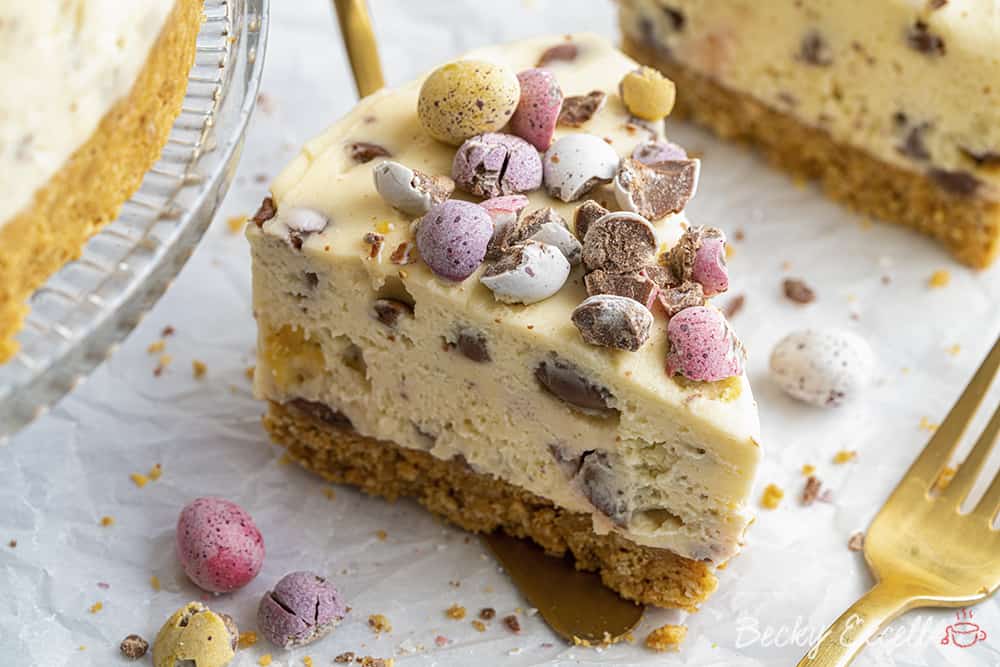
  • Sandwich the sponges with icing and spread more on the top and the sides of the cake. Press the chocolate fingers around the entire side of the cake and sprinkle a nest of mini eggs on top.

Plenty of gluten free baking options

Gluten free baking continues to evolve and include many variations of cakes, pies, and other baked goods that are inventive, delicious, and crucially, don’t contain gluten. It is always one of those areas of food that newbies to the gluten free life worry about, but as you can see above there are some incredible gluten free baking recipes to try out. You don’t have to miss out on tasty baked goods this Easter just because you are coeliac. It is worth looking at if you qualify for a gluten free prescription. You can gain access to gluten free flour mixes and other bakery items that can help you deliver gluten free baking recipes this Easter.

Flowers have long been admired for their beauty and fragrance, but their role in the culinary world is often overlooked. Emilia Augustyn, a visionary in the art of edible flowers, is changing that perception. With her vibrant, flower-infused dishes, she transforms meals into sensory experiences that delight both the eyes and the palate.

A Blooming Passion for Culinary Art

Emilia Augustyn has always had a deep appreciation for nature. Her journey into the world of edible flowers began with a simple fascination—how could something so delicate and ornamental also enhance flavors in food? Through years of experimentation, she discovered that flowers offer not only visual appeal but also unique textures and tastes that elevate ordinary dishes.

The Aesthetic and Flavorful Appeal of Edible Flowers

Edible flowers introduce a range of flavors, from the peppery bite of nasturtiums to the delicate sweetness of violets. Each flower contributes its own character, allowing chefs and home cooks alike to experiment with exciting combinations. Emilia’s approach focuses on balance—pairing floral notes with complementary ingredients to create harmonious, flavorful dishes.

Beyond taste, edible flowers add a visual spectacle to any plate. Their vibrant colors and intricate shapes make even the simplest meal feel luxurious. Whether used as a garnish, infused in syrups, or mixed into salads, flowers bring a touch of magic to the dining experience.

Health Benefits Hidden in Petals

While their beauty is undeniable, edible flowers also provide nutritional benefits. Many varieties are rich in antioxidants, vitamins, and essential minerals. Calendula, for instance, is known for its anti-inflammatory properties, while lavender can promote relaxation. Emilia integrates these flowers into her dishes not just for their taste but also for their health-enhancing qualities.

Incorporating Edible Flowers into Everyday Cooking

Bringing edible flowers into your kitchen does not require professional training. Emilia encourages experimenting with locally available blooms. Here are some easy ways to get started:

  • Salads: Toss fresh pansies, marigolds, or borage flowers into leafy greens for added color and flavor.
  • Baking: Infuse cakes and cookies with rose petals or lavender for a subtle floral essence.
  • Drinks: Enhance lemonades, cocktails, or teas with floating blossoms like hibiscus or elderflower.
  • Garnishing: Use tiny blooms like violets or chamomile to decorate desserts and appetizers.

Sustainability and Ethical Sourcing

One of Emilia Augustyn’s guiding principles is sustainability. Not all flowers are safe to eat, and those grown with pesticides can be harmful. She emphasizes the importance of sourcing organic, pesticide-free blooms. Growing your own edible flowers ensures freshness and safety while promoting a connection with nature.

She also supports local farmers who cultivate flowers for culinary purposes, advocating for ethical and environmentally conscious practices. Through her work, she inspires others to make mindful choices about the ingredients they use.

The Future of Floral Cuisine

With the rise of farm-to-table dining and increased interest in natural ingredients, edible flowers are gaining popularity. Emilia Augustyn’s creations serve as a testament to the endless possibilities of floral cuisine. Her work bridges the gap between art and food, proving that flowers are more than just decoration—they are essential ingredients in their own right.

As more chefs and home cooks embrace the magic of edible flowers, the culinary landscape continues to flourish. Through creativity, knowledge, and a deep respect for nature, Emilia’s vision is blooming into a movement, inspiring a new generation of food lovers to see flowers in a whole new light.

Emilia Augustyn’s culinary artistry proves that edible flowers are more than just a visual delight—they are a bridge between nature and cuisine, transforming ordinary meals into extraordinary experiences. Their vibrant colors, unique flavors, and hidden health benefits make them a valuable addition to any dish. By embracing ethical sourcing and sustainable practices, Emilia highlights the importance of mindful cooking. As more chefs and home cooks explore the magic of edible flowers, the world of gastronomy continues to flourish, offering a feast for both the eyes and the palate.

In the world of wine, there’s an ongoing debate between no sulphite wine brands and traditional wine containing added sulphites. As more people seek natural, organic, and chemical-free options, no sulphite wine is gaining popularity. But how does it compare to conventional wine? Is it better in taste, quality, and health benefits? Let’s dive into the key differences and why no sulphite wine might be the superior choice.

What Are Sulphites in Wine?

Sulphites (or sulphites) are chemical compounds, primarily sulphur dioxide (SO₂), added to wine to preserve freshness, prevent oxidation, and inhibit bacterial growth. Most conventional wines contain sulphites to help them last longer on store shelves and in cellars. However, some wine drinkers report headaches, allergies, and other reactions to sulphites, leading to a rise in demand for no sulphite wines.

While all wines naturally contain a small number of sulphites due to fermentation, no sulphite wines are made without added sulphur dioxide, making them a purer expression of the grapes and terroir.

Why No Sulphite Wine is Better Than Sulphite Wine

A More Natural, Authentic Taste

No sulphite wine types are often described as having a fresher, more vibrant taste compared to their conventional counterparts. Without chemical preservatives, the wine expresses the true essence of the grapes, terroir, and winemaking process. This means more fruit-forward flavours, better aroma, and a wine that evolves more naturally in the bottle.

Traditional wines with sulphites, on the other hand, may sometimes taste overly processed or “fixed” due to artificial stabilization.

Healthier and Easier on the Body

Many people experience headaches, allergic reactions, or sinus issues after drinking wine with high sulphite levels. While not everyone is sensitive, no sulphite wine eliminates this risk, making it a better option for those looking to enjoy wine without the side effects.

Additionally, no sulphite wines often come from organic or biodynamic vineyards, meaning they contain no artificial chemicals or pesticides, lower histamine levels that reduce allergy symptoms, and fewer additives that make them easier to digest.

No Sulphite Wine:

Environmentally Friendly and Sustainable

Most no sulphite wines are crafted using natural and organic farming methods. Without sulphur dioxide or artificial preservatives, these wines encourage sustainable viticulture, have a lower carbon footprint, and support biodiversity in vineyards.

By choosing no sulphite wines, you’re not just making a healthier choice—you’re also supporting eco-friendly winemaking practices.

Fewer Hangovers? Possibly

While no wine can eliminate the risk of a hangover, many people report feeling less sluggish after drinking no sulphite wine. This could be due to fewer preservatives and chemicals, less artificial manipulation during production, and a more natural fermentation process.

Of course, moderation is key, but if you’ve ever felt unusually bad after drinking wine, trying a sulphite-free alternative might make a difference.

Are There Any Downsides to No Sulphite Wine?

No sulphite wine is not for everyone, and there are a few things to keep in mind. It has a shorter shelf life since, without preservatives, these wines are more delicate and best consumed fresh. Proper storage is crucial as they can spoil quicker if exposed to heat or oxygen. Since they are less manipulated, each vintage may taste slightly different.

Despite these factors, many wine lovers appreciate the raw authenticity and purity that no sulphite wine provides.

Conclusion: Should You Make the Switch?

If you’re looking for a more natural, healthier, and environmentally friendly way to enjoy wine, no sulphite wine is an excellent choice. With its fresher taste, fewer additives, and potential health benefits, it’s an exciting option for both casual drinkers and connoisseurs alike.

Next time you’re shopping for wine, try a bottle of no sulphite wine—you might just discover a new favourite way to enjoy your glass.

Whipped cream is a versatile ingredient that can significantly enhance the flavor, texture, and visual appeal of cakes. Whether it’s used as a frosting, filling, or topping, whipped cream can elevate an ordinary cake into a decadent dessert. Here are some of the key advantages of using whipped cream using whipped machine from Nangs King in cakes.

Light and Fluffy Texture

One of the most significant advantages of using whipped cream in cakes is the texture it provides. Whipped cream is light and airy, which adds a delicate, fluffy quality to your cake. Unlike heavier frostings like buttercream or fondant, whipped cream creates a lighter, less dense texture, making the cake feel less heavy and more refreshing to eat. This is particularly ideal for cakes with rich, dense batters or when you want a softer, melt-in-your-mouth experience.

Balanced Sweetness

Whipped cream has a mild, subtle sweetness compared to other frosting options. This makes it a great choice when you want to balance the sweetness of your cake without overwhelming it. Cakes that are already sweet, such as chocolate or fruit cake,benefit from whipped cream’s more neutral flavor, which complements the cake rather than competing with it. You can also control the sweetness level of the whipped cream by adjusting the amount of sugar you add, ensuring it perfectly complements the cake.

Versatility in Flavoring

Whipped cream is incredibly versatile and can be flavored in various ways to match the cake’s flavor profile. You can infuse it with vanilla, coffee, chocolate, citrus zest, or even liqueurs like Baileys or Grand Marnier. The ability to customize whipped cream allows you to experiment and find the perfect flavor combination for your cake, making it a great option for different cake varieties, whether it’s a light sponge cake, a rich chocolate cake, or a fruit-based cake.

Whipped Cream

Aesthetically Pleasing

Whipped cream is not only delicious, but it also enhances the appearance of cakes. Its smooth, glossy texture creates a beautiful and professional-looking finish. You can pipe the whipped cream into elegant swirls or use it to cover the entire cake, giving it a clean and polished look. Additionally, whipped cream pairs well with decorations like fresh fruit, chocolate shavings, or sprinkles, making it easy to create visually stunning desserts.

Quick and Easy to Make

Another benefit of whipped cream is how easy and quick it is to make. Unlike other frostings that require cooking or complicated techniques, whipped cream can be prepared in just a few minutes with minimal ingredients: heavy cream, sugar, and vanilla extract. This makes it an excellent option for last-minute cake preparations, allowing you to create a delicious and professional-looking dessert in no time.

Healthier Alternative

While still a rich topping, whipped cream can be a healthier alternative to some other frosting options like buttercream. When made with heavy cream, whipped cream tends to be lower in sugar and fat compared to many store-bought frosting options, giving you a slightly lighter choice. Additionally, since it’s made from cream, it contains natural fats, which can be a more wholesome option compared to synthetic ingredients in pre-made frosting.

Incorporating whipped cream into cakes provides numerous benefits that improve both the flavor and presentation of your dessert. Its light texture, subtle sweetness, versatility, and ease of preparation make it an ideal choice for any cake, from simple sponge cakes to elaborate layered confections. Whether you’re hosting a special occasion or simply craving a delicious treat, whipped cream can take your cake to the next level.

If you’re looking for a destination that blends breathtaking scenery with culinary adventure, Colombia belongs at the top of your list. From the misty peaks of the Andes to the laid-back coastal towns on the Caribbean Sea, each region offers unforgettable experiences and savory dishes you won’t find anywhere else.

Best Times to Visit

Colombia’s climate varies by altitude, but you’ll generally find it comfortable throughout the year. The drier months of December to March and July to August are ideal for exploring the highland cities and national parks. If you’re drawn to the lush valleys, consider traveling during the slightly wetter shoulder months of April to June or September to November. Keep in mind that coastal regions, while warm year-round, see occasional rainfall that never truly dampens the tropical vibe.

Where to Go

  • Bogotá and Surrounding Highlands
    The capital offers world-class museums, street art, and hearty mountain specialties. Just a short trip away lies the coffee region, where rolling hills of coffee plants cradle hidden villages.
  • Medellín
    Known for its innovative spirit, Medellín will charm you with its hillside neighborhoods, vibrant culture, and mild temperatures.
  • Cartagena and the Caribbean Coast
    Stroll along the colonial streets of Cartagena, bask in the sun on nearby beaches, and indulge in fresh seafood. Don’t miss the lively nightlife and the colorful architecture that defines this region.
  • Santander Region
    Adventure seekers will enjoy extreme sports in San Gil, while history buffs can wander through the cobblestone lanes of Barichara, a serene colonial town.

Traditional Colombian Foods to Savor

Colombia

Colombian cuisine is a mosaic of indigenous heritage, Spanish influence, and African traditions. Expect generous portions, robust seasonings, and an abundance of fresh produce. Below are a few must-try dishes:

  • TamalTolimense
    Originating from the Tolima region, this banana leaf-wrapped delight combines moist corn dough, meats, vegetables, and fragrant spices. Its savory richness is complemented by a hint of achiote, creating a softly spiced flavor. Locals enjoy it for breakfast or lunch, often with a steaming cup of hot chocolate.
  • Bandeja Paisa
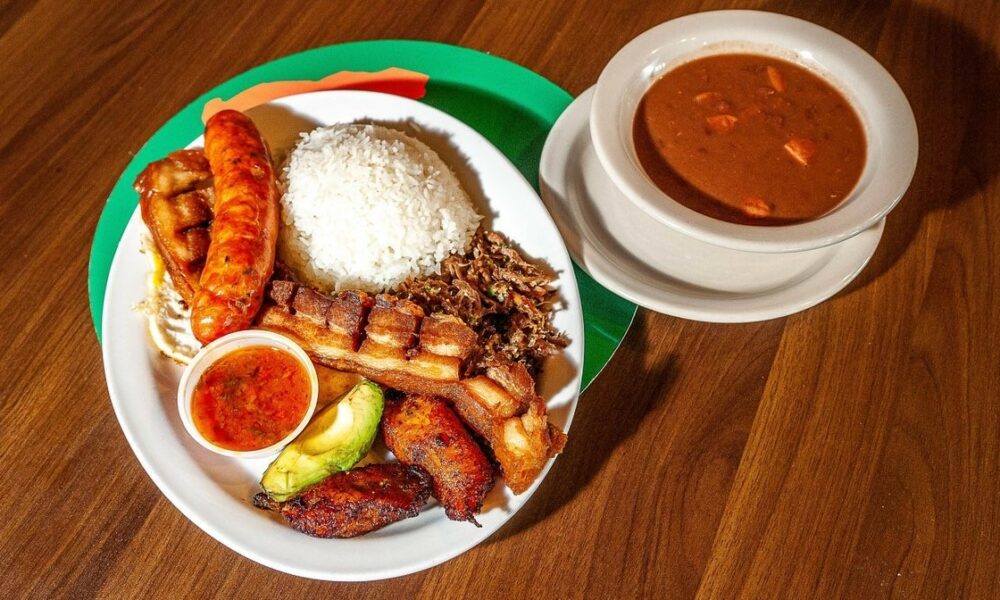
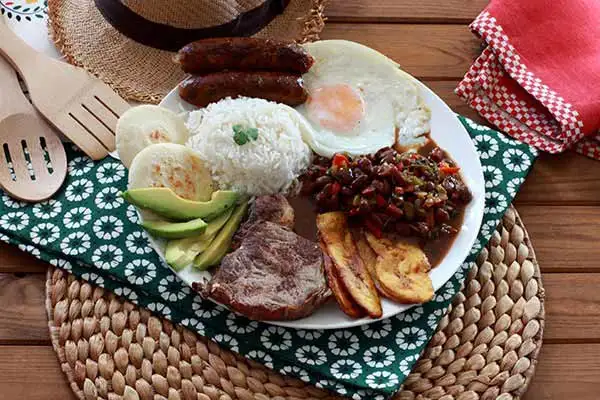
    This hearty platter is synonymous with Medellín and surrounding areas. It piles together red beans, ground beef, chicharrón, plantains, fried egg, avocado, white rice, and an arepa. Each element adds a distinctive taste, from the savory crunch of the pork to the creamy texture of mashed beans.
  • AjiacoSantafereño
    In Bogotá, you’ll find this potato soup made with three varieties of native potatoes, shredded chicken, corn on the cob, guasca herb, and a drizzle of cream or capers. Its flavor is delicate, herbal, and comforting.
  • Sancocho
    Found throughout many regions, this stew blends meat, yuca, plantains, and a medley of seasonings. Every region adds its twist, but the result is always a deeply aromatic, soul-warming bowl of comfort.
  • Arepas
    These cornmeal rounds come in countless variations. Some are simple, meant to accompany stews or soups, while others are stuffed with cheese or shredded meat. The crisp exterior and tender center make them perfect for any meal.

Essential Dining Experiences

  • Cosmopolitan Bogotá
    Sample modern spins on Colombian classics in the city’s chic neighborhoods. Fine-dining establishments take traditional ingredients—like juicy lulo fruit—and transform them into exquisite dishes.
  • Medellín’s Local Markets
    Wander through Medellín’s markets, where you’ll discover an array of fresh produce and local eats. Seek out food stalls serving bandeja paisa and fresh fruit juices. Don’t be shy about trying exotic fruits like granadilla and guanábana.
  • Coastal Seafood in Cartagena
    Savor grilled fish marinated in zesty coastal spices, or dig into a plate of coconut rice and fried plantains. The seafood here bursts with ocean-fresh flavor, and restaurants along the old city walls provide an unforgettable seaside atmosphere.
  • Rural Towns and Countryside
    Village taverns and roadside stands often serve homemade soups, empanadas, and freshly brewed coffee. These unassuming spots reveal the heart of Colombian hospitality and taste.

Key Ingredients and Tastes

Colombian foods revolve around fresh corn, potatoes, beans, plantains, and a variety of proteins. Indigenous herbs such as guasca bring floral notes to soups, while a sprinkling of hogao (tomato and onion sauce) adds depth to dishes. Vibrant fruits like passion fruit, mango, and papaya appear in juices and desserts, delivering a bright contrast to the earthy flavors found in stews and braises.

Suggestions for First-Time Visitors

  • Immerse yourself in the street food culture. Empanadas and arepas are quick bites full of tradition.
  • Make sure to try tamaltolimense, especially if you venture near Ibagué. It’s a regional gem.
  • Bring a light jacket if you’re headed to the Andes, and embrace layers when traveling between regions with changing altitudes.
  • Be open to discovering local habits and customs. Colombians are known for their warmth, and a simple friendly greeting can lead to a wealth of travel tips and meal recommendations.

Conclusion

Colombia offers more than scenery and festivities—it provides an immersive experience rich with flavors, aromas, and friendly encounters. Whether you’re marveling at colonial architecture by the Caribbean Sea or savoring a hearty tamaltolimense high in the Andes, every moment invites you to embrace the country’s diverse soul. This enchanting land promises a vacation that both delights the palate and stirs the heart, leaving memories and tastes you’ll treasure for years to come.


The story of the french fry has unclear beginnings. Some people say it started in Belgium during the 1600s when villagers fried potatoes instead of fish during the cold months when rivers froze over. Others believe it began in France in the 1700s with street vendors selling fried potatoes. No matter where they came from, french fries have become a favorite food around the world.

There’s nothing quite like enjoying a side of hot, crispy fries at a restaurant. But since most of us don’t eat out every day, frozen fries are a good option to keep on hand. Today, you can find many types of frozen fries in stores. If you’ve ever looked through the freezer section, you’ve probably seen how many brands are available.

With so many choices, we decided to find out which frozen fries are the best. For this test, we focused on classic and homestyle-cut fries. We picked brands based on how widely available they are, how popular they seem, and how much they cost. Prices ranged from $4 to $8, with most falling around $5 at the time of our tasting. We also asked members of our editorial team to help choose the nine brands we would try.

After spending a long (and tasty) afternoon testing them, one brand including https://www.rootsfarmfresh.com,  clearly stood out with its “crunchy outside” and “soft, savory inside.”

Top Pick: Grown in Idaho Hand Cut Style Fries

Our testers were impressed right away by the “golden-brown color” of Grown in Idaho Hand Cut Style Fries, according to Mara, our director of groceries and shopping. Ali, our associate groceries editor, said they were “nicely salted and crispy, with a smooth, creamy center.”

These fries stood out from the rest. All eight testers enjoyed them. Maria, our associate art director, said they were “delicious” and had the “perfect crispy outside and soft middle.”

Highlights:

  • Golden brown

  • Delicious

  • “Perfectly crispy on the outside”

Runner-Up: Grown in Idaho Super Crispy Shoestring Fries

It’s no surprise that another Grown in Idaho product ranked highly. The Super Crispy Shoestring Fries came in second and got strong reviews from our team. Sarah, our home projects editor, called them “CLASSIC” and said the flavor “reminds me of McDonald’s fries.”

Anna, our executive creative director, also liked them, noting their “great crunch.” The only reason they didn’t take first place was because some testers, like Ali, thought they needed a little more salt. (That’s easy to fix at home!)

Highlights:

  • “Classic” taste

  • Reminds people of McDonald’s fries
    Good to Know:

  • Some felt they needed more salt

Honorable Mention: Alexia House Cut Fries

Many testers enjoyed the Alexia House Cut Fries. Phil, our chief financial officer, liked the “strong potato taste” and ranked them in his top two. Quinn, our senior lifestyle editor, said the fries were a “great size” and had a “good bite.”

The main reason they didn’t rank higher was that some of our team thought they were a little dry.

Highlights:

  • Rich potato flavor

  • “Good size and bite”
    Good to Know:

  • May be a little dry

Honorable Mention: Kirkland Signature Crispy French Fries

Ali gave these Costco-brand fries “five stars” and loved their “crispy, savory flavor and rustic look.” She even said they were her personal favorite. Maria agreed and described the inside as “creamy and buttery, like mashed potatoes.”

However, not everyone was sold. Phil and a few others felt they weren’t quite crispy enough. Using an air fryer might help fix that. One big plus: they cost just under $8 for a 5-pound bag, which makes them the most affordable option on our list at 10 cents an ounce.

Highlights:

  • Buttery taste

  • “Five-star” pick

  • Rustic look
    Good to Know:

  • Great value

  • Might need extra crisping

Wildcard Pick: Checkers Famous Seasoned Fries

Although we focused mainly on lightly salted fries, we made an exception for Checkers Famous Seasoned Fries. As the name suggests, these fries have a special seasoning blend that our testers enjoyed. The ingredients on the bag just say “spices,” but our group tasted things like cayenne, garlic, and onion powders.

Ali said the flavors made for a “really tasty fry.” Maria added that they were “super crunchy.” These fries earned a well-deserved mention even though they’re a little different from the rest.

Highlights:

  • “Super crunchy”
    Good to Know:

  • Heavily seasoned

How We Tested the Fries

We asked eight staff members to taste and rate nine types of store-bought frozen french fries. Before the tasting, our studio director, Vicky, and culinary associate, Ola, cooked all the fries based on the package directions. Each brand was labeled with a letter from A to I so no one knew which fries were which. Ketchup and water were provided for dipping and cleansing the palate.

Each person tried the fries in a random order so no brand had an advantage. They then rated the fries on a scale of 1 to 5 (1 = No, thanks; 2 = Meh; 3 = Pretty good; 4 = Really like; 5 = Yes, please!) in four areas: appearance, smell, texture, and flavor. They also wrote down notes and answered one key question: Would you buy these fries?

Why You Can Trust Our Test

To choose the best frozen fries, we worked with eight testers from Apartment Therapy Media. They judged the fries based on taste, look, smell, texture, and how likely they were to buy them again.

Testers didn’t know which brands they were trying. They rated the fries on their own, without sharing opinions until all scores were collected. After everyone submitted their results, we added the scores to decide which fries were the best.