
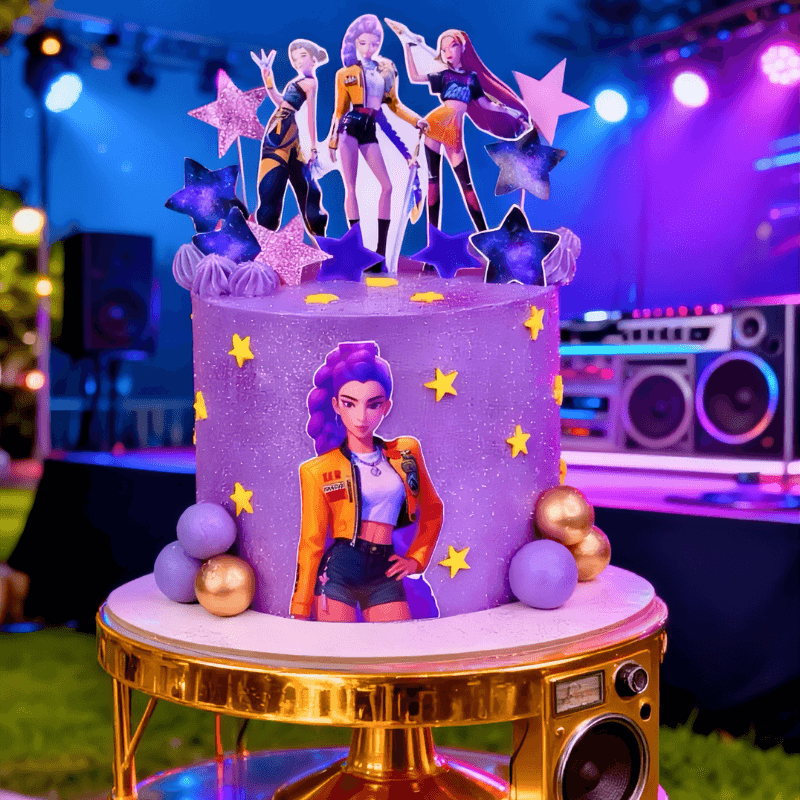
The kpop demon hunters cake has become an unlikely ambassador of cultural change in Singapore, a small but telling indicator of how entertainment franchises now shape social rituals and personal identity in ways that would have seemed improbable even a decade ago. This is not simply about cake or even about Korean popular culture; it is about how young people in a highly connected, economically advanced city-state choose to define themselves through consumption, celebration, and affiliation with narratives that originate thousands of miles away yet feel intimately personal.
The Power of Aesthetic Choice
In authoritarian societies, control over cultural expression often manifests through restrictions on what can be displayed, celebrated, or consumed publicly. Singapore, whilst democratic in many respects, maintains a carefully calibrated approach to cultural imports and public celebrations. Yet the proliferation of KPOP Demon Hunters themed cakes at birthday parties represents a form of soft cultural power that operates beneath official radar, reshaping how young Singaporeans conceptualise celebration and community.
These cakes function as declarations of taste, certainly, but also as statements about which cultural hierarchies one accepts or rejects. Choosing a demon hunters party cake over more traditional options signals alignment with transnational youth culture rather than purely local or familial traditions. This choice, multiplied across thousands of celebrations, represents a quiet but significant shift in how cultural authority is negotiated within families and peer groups.
Design as Cultural Translation
The visual language of a custom KPOP Demon Hunters cake requires skilled translation between Korean webtoon aesthetics and Singaporean celebration contexts. This is not straightforward work. The series itself blends idol culture’s hyper-polished visuals with supernatural horror elements, creating a tonal complexity that challenges conventional notions of what constitutes appropriate party decoration.
Successful designs typically incorporate:
- Character fidelity: Accurate representation of protagonists’ distinctive features and styling
- Narrative elements: Visual references to key plot points that resonate with fans
- Tonal balance: Managing the tension between cute idol aesthetics and darker supernatural themes
- Cultural markers: Korean text, music notes, and mystical symbols arranged coherently
As one experienced Singapore baker notes, “When clients request a demon hunters birthday cake, they are asking us to understand not just the visual elements but the emotional resonance of the series. They want the cake to reflect their identification with characters who live double lives, who perform perfection whilst battling chaos.”
This observation reveals something profound about contemporary adolescent experience: the appeal of narratives about hidden struggles beneath polished surfaces may reflect young people’s own sense of maintaining public personas whilst managing private anxieties.
The Economics of Fandom
Custom themed cakes occupy an interesting position in Singapore’s consumer landscape. They are not luxury goods in the traditional sense, yet they represent discretionary spending that signals priorities and values. A family willing to invest in a kpop demon hunters cake is making a statement about what matters, about whose preferences receive validation and resources.
This spending pattern reflects broader shifts in how Asian families navigate generational negotiations. Parents who might once have insisted on traditional celebration formats now acquiesce to requests for webtoon-themed confections, recognising perhaps that cultural capital among peers matters as much as adherence to established customs.
The price points vary considerably:
- Basic designs: Edible prints on standard cakes at accessible prices
- Intermediate complexity: Fondant decorations with multiple characters
- Premium creations: Sculpted figures, multiple tiers, intricate detailing
- Luxury commissions: Fully customised interpretations requiring weeks of preparation
Community and Belonging
What drives the sustained popularity of demon hunters cake designs in Singapore extends beyond individual preference. These cakes serve as focal points for community formation, both online and offline. Photographs circulate through social media, generating comments, likes, and validation from fellow fans. The cake becomes content, evidence of belonging to a specific cultural subset.
This dynamic mirrors patterns observed in other contexts where consumption practices create and reinforce group identity. The cake is simultaneously personal celebration and public performance, a private indulgence and a social signal. In Singapore’s highly networked society, where online and offline identities blur continuously, such dual functions feel natural and necessary.
“The most successful KPOP Demon Hunters theme cake orders come from customers who bring detailed mood boards,” observes another Singapore artisan. “They show us Instagram posts, Pinterest collections, screenshots from the webtoon. They are not just ordering a cake; they are curating an experience that will be documented and shared.”
Generational Perspectives
The enthusiasm for custom demon hunters cakes reveals generational divides in cultural consumption. Older Singaporeans, formed by different media landscapes, may struggle to understand the appeal of fictional K-pop idols who fight supernatural entities. Yet their children and grandchildren inhabit a world where such narratives feel self-evidently meaningful, where the boundaries between music, comics, and personal identity blur productively.
This gap is not unique to Singapore but manifests with particular clarity in societies experiencing rapid economic and technological change. Traditional celebration formats give way to new rituals shaped by global media flows, creating tensions that families must negotiate with varying degrees of success.
The Enduring Appeal
Why do these particular cakes maintain popularity even as other trends come and go? The answer likely lies in the series’ fundamental themes: the tension between public performance and private truth, the necessity of teamwork in facing overwhelming challenges, the possibility of finding strength in unexpected places. These themes resonate universally but perhaps especially in achievement-oriented societies like Singapore, where young people face intense pressure to perform excellence whilst managing internal struggles.
The kpop demon hunters cake thus becomes more than decoration or dessert. It functions as a kind of talisman, a physical manifestation of values and aspirations that extend far beyond the birthday celebration itself, speaking to how we construct meaning and community in an age of perpetual cultural transformation.

Comments are closed.